An atlas of possible realities
The Atlas
89 timelines · 7 kinds of twist
Fateful Choices
18A human being chooses otherwise, and history bends.
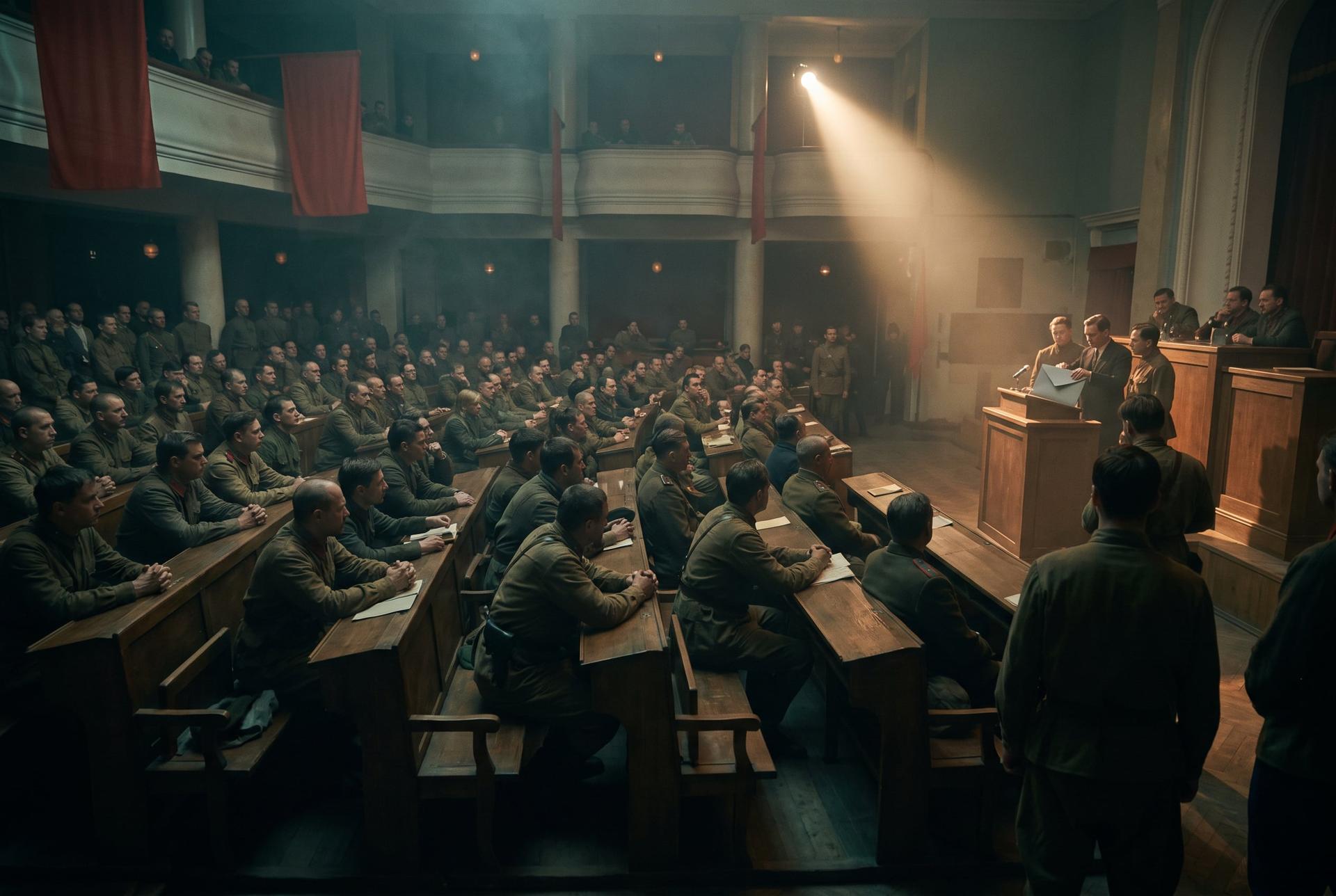
FATEFUL CHOICES · MAY 1924 · MOSCOW
The Testament is read aloud
Moscow, May 1924. A sealed envelope from the dead Lenin asks the party to remove Stalin, and a steering committee is voting on whether the Congress will ever hear it. This is the timeline where the vote goes the other way.
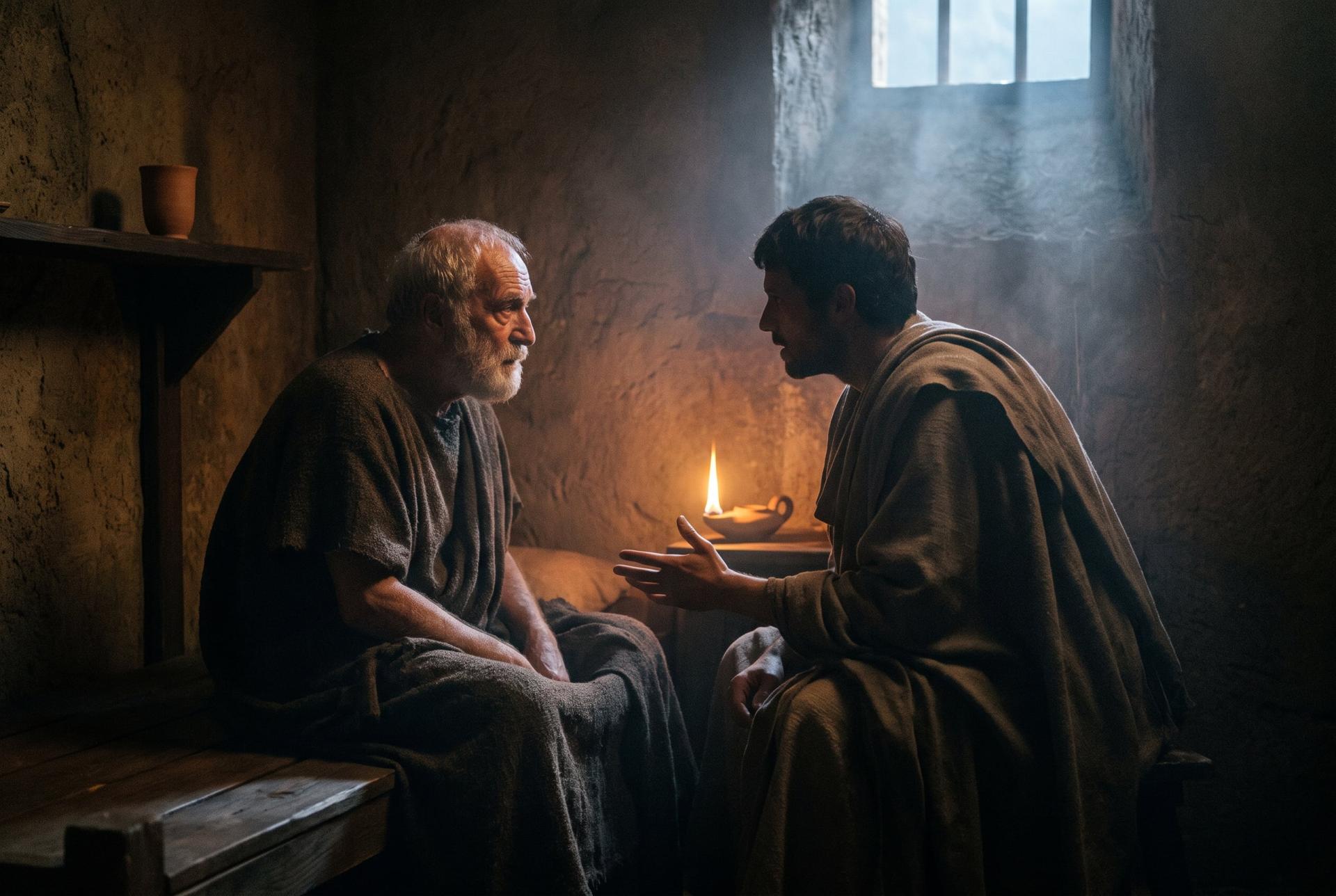
FATEFUL CHOICES · 399 BC · ATHENS
The cup passes by
Athens, 399 BC. In a cell by the agora, an old man's friends have bribed the guards and a boat waits for Thessaly. This is the timeline where Socrates says yes.

FATEFUL CHOICES · OCT 1803 · WASHINGTON
The Louisiana refusal
Washington, October 1803. The treaty doubling the United States lies before a Senate full of men who think buying it is unconstitutional, and the President half agrees with them. This is the timeline where the scruples win.
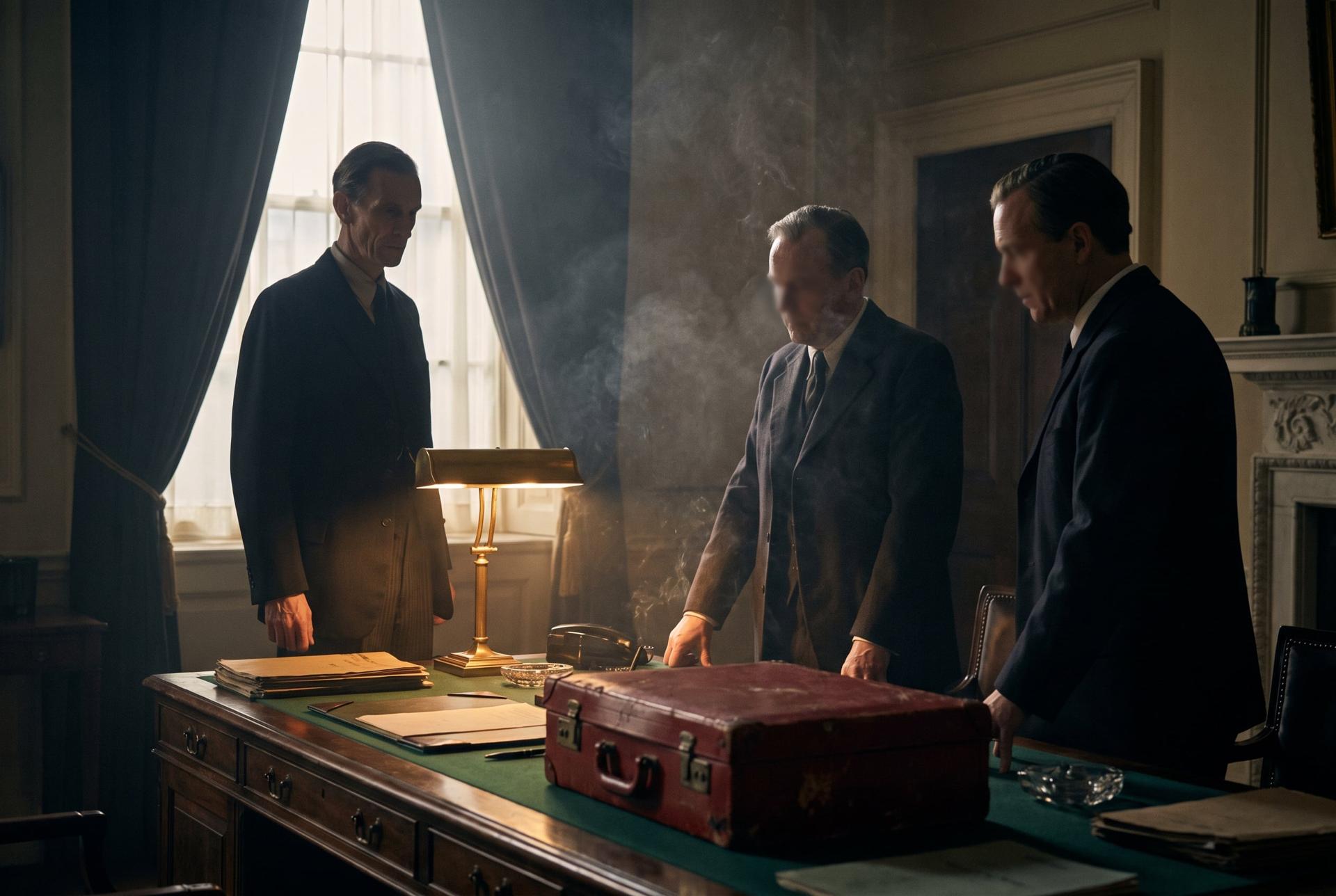
FATEFUL CHOICES · 9 MAY 1940 · DOWNING STREET
The quiet peace of 1940
London, 9 May 1940. Chamberlain is finished, and the premiership lies between two men in one room. This is the timeline where Lord Halifax does not stay silent.

FATEFUL CHOICES · SPRING 1812 · SAINT-CLOUD
The Grande Armée stays home
Saint-Cloud, spring 1812. An ambassador who knows Russia is begging Napoleon, seven hours at a stretch, not to cross the Niemen. This is the timeline where the Emperor listens.
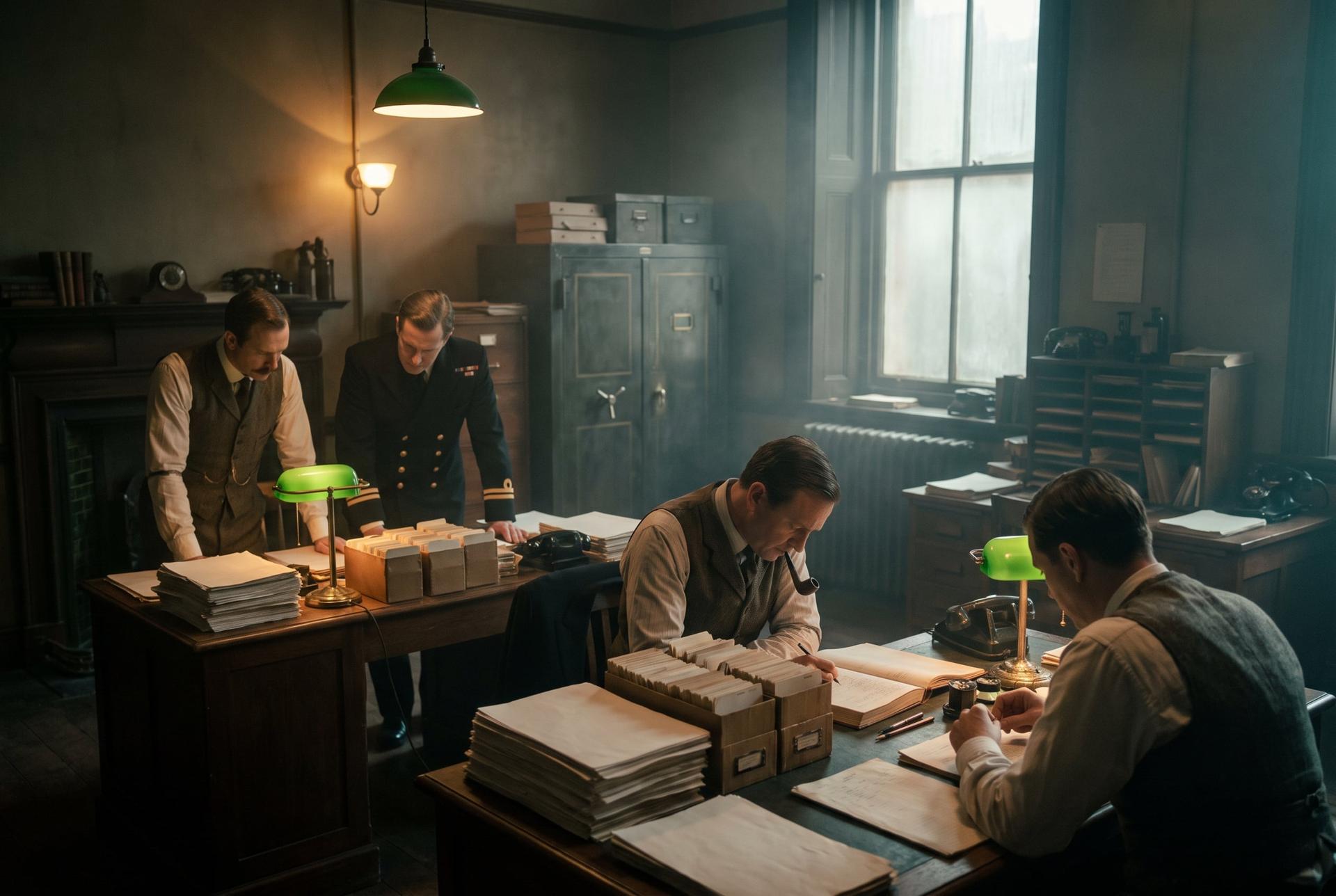
FATEFUL CHOICES · JAN 1917 · ROOM 40
America stays home
London, January 1917. In Room 40 of the Admiralty, a German telegram offering Mexico three American states is being decoded. This is the timeline where it never reaches the codebreakers' desk.

FATEFUL CHOICES · 1450 · MAINZ
The letters are never cast
Mainz, 1450. A goldsmith with a secret machine needs eight hundred guilders, and a merchant named Johann Fust is deciding whether to lend it. This is the timeline where Fust keeps his money.
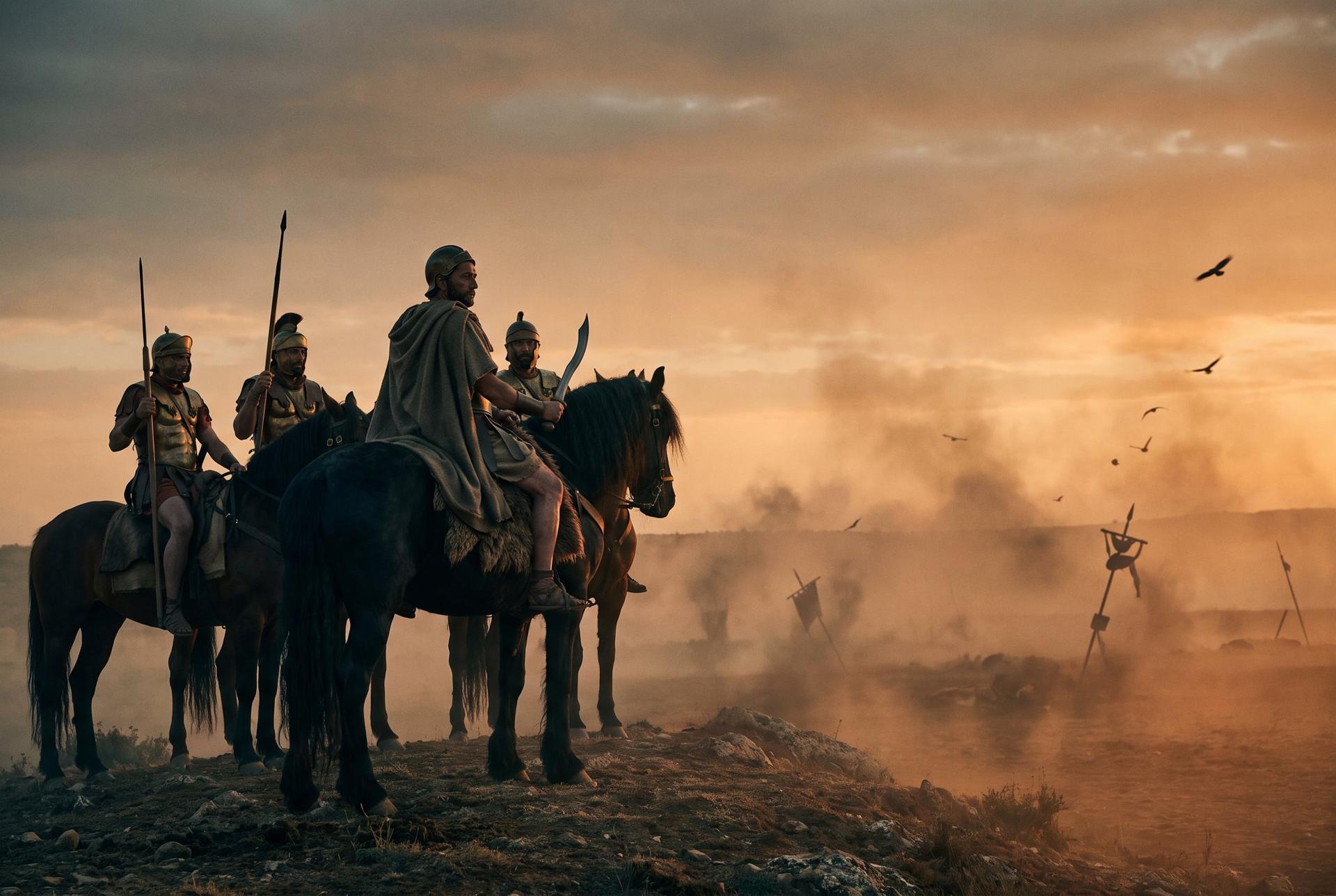
FATEFUL CHOICES · 216 BC · CANNAE
Hannibal at the gates
Cannae, the evening of 2 August 216 BC. Rome's largest army lies dead in a day, and a cavalry commander begs Hannibal to ride for the city itself. This is the timeline where Hannibal says yes.
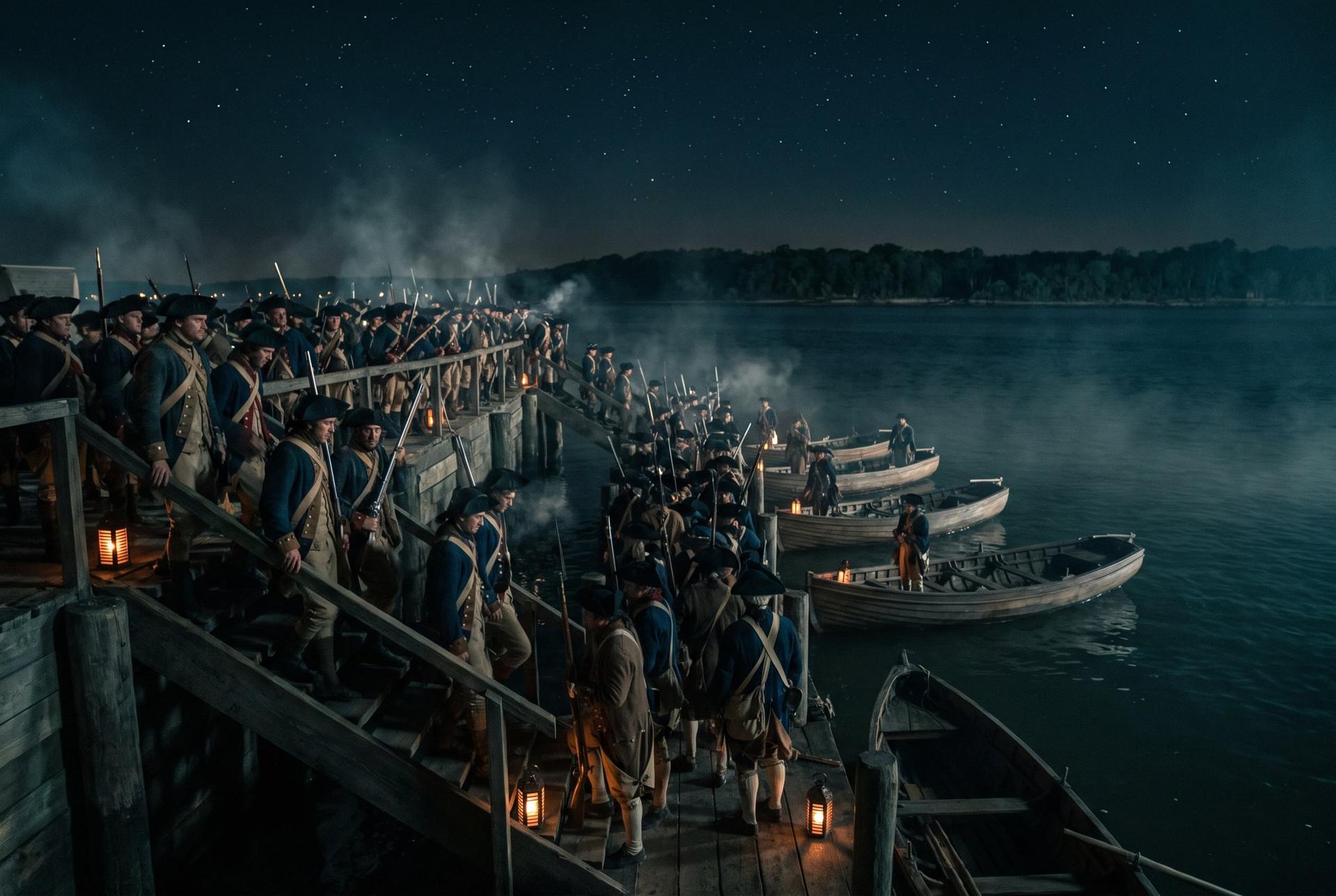
FATEFUL CHOICES · 29 AUG 1776 · BROOKLYN
The king keeps his colonies
Brooklyn, the last night of August 1776. Washington's beaten army waits on the wrong side of the East River for boats, and everything depends on the weather. This is the timeline where the fog never comes.
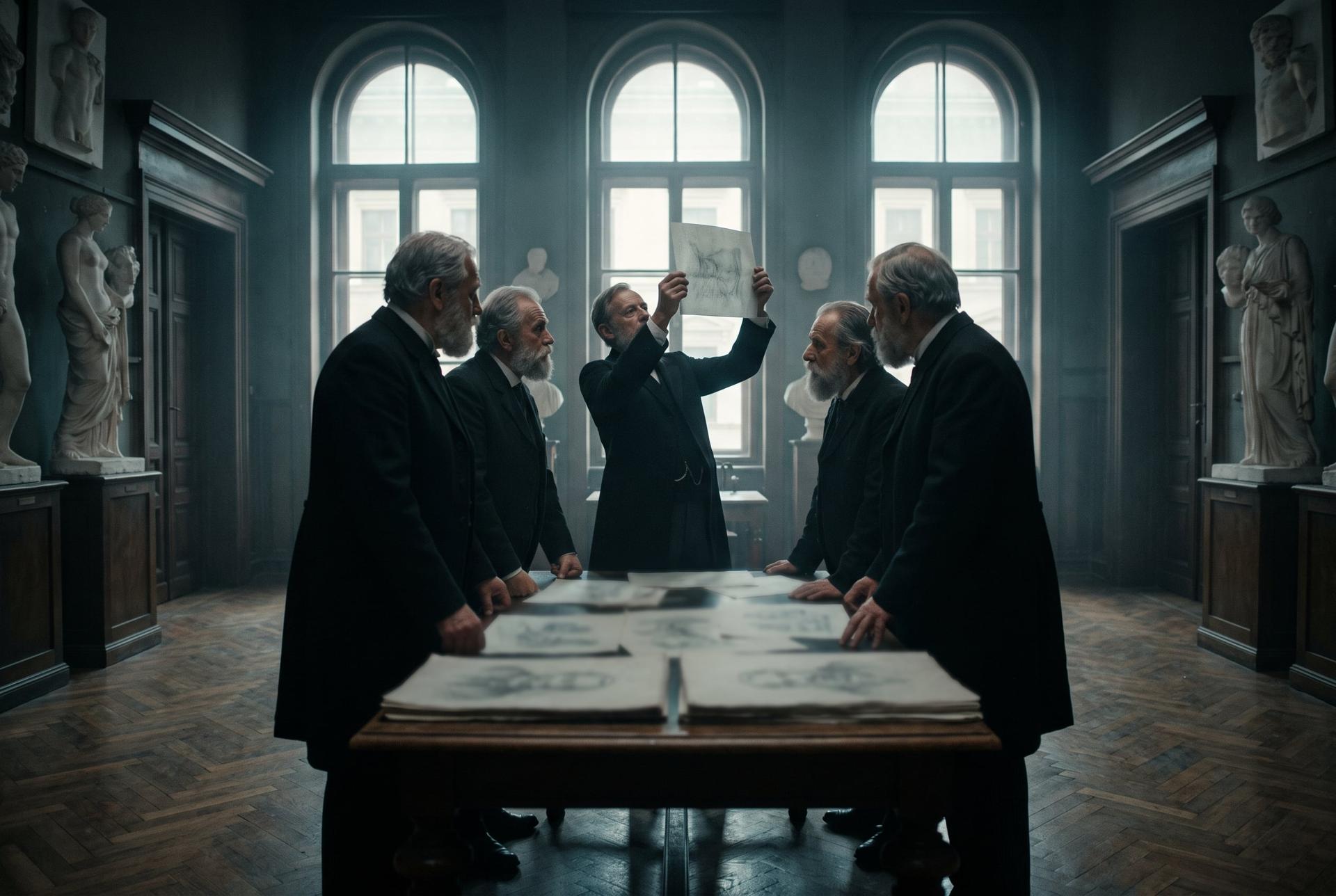
FATEFUL CHOICES · OCT 1907 · VIENNA
The academy says yes
Vienna, October 1907. The Academy of Fine Arts is grading its entrance drawings, and one Austrian applicant is about to be refused. This is the timeline where one juror argues, and the list gains a name.
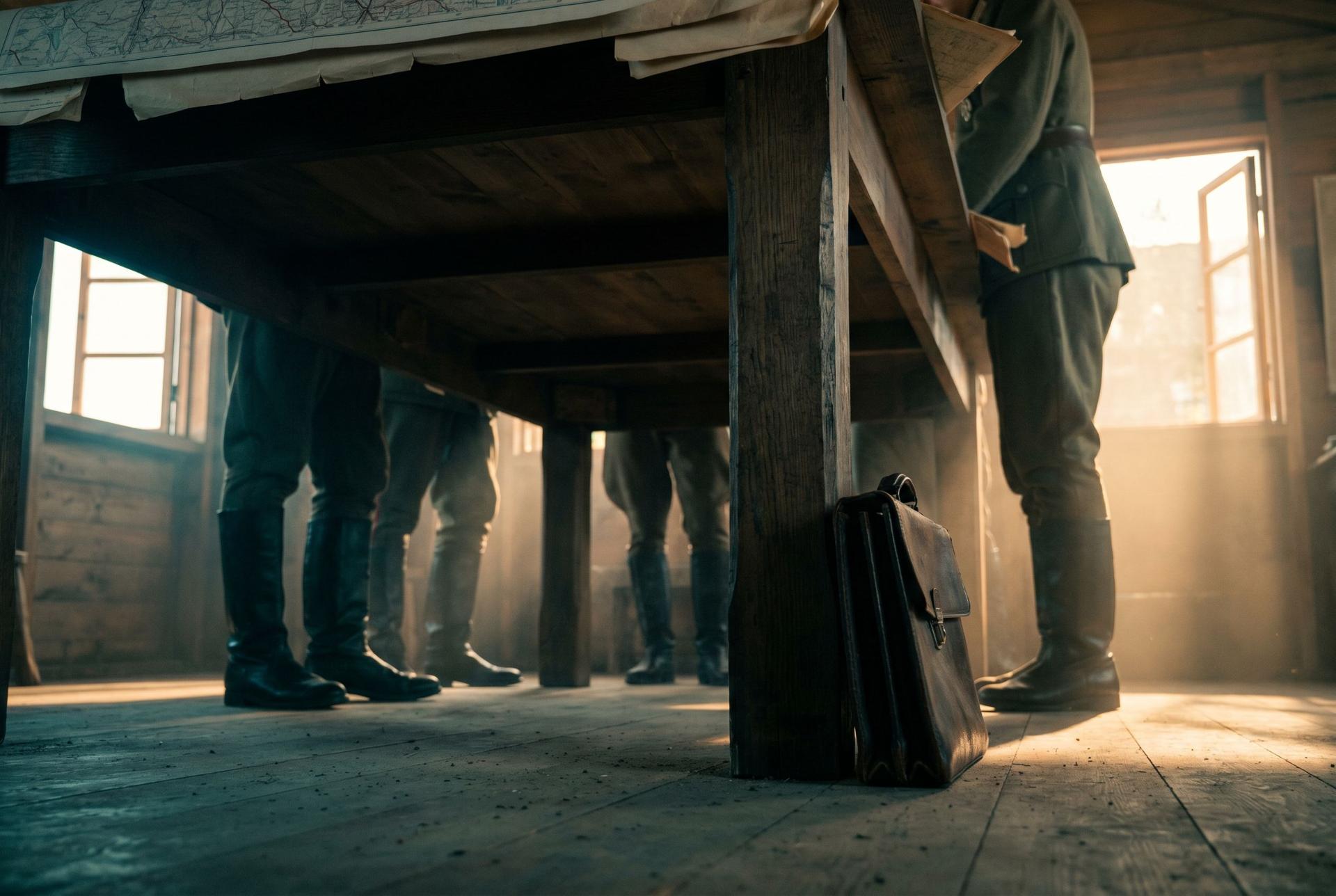
FATEFUL CHOICES · 20 JUL 1944 · WOLF'S LAIR, EAST PRUSSIA
The bomb under the map table
At 12:42 on 20 July 1944 a briefcase bomb exploded two metres from Hitler, and he lived, because an officer wanting a clearer view of the map had moved the case behind a heavy oak table leg. This is the timeline where nobody moves it.
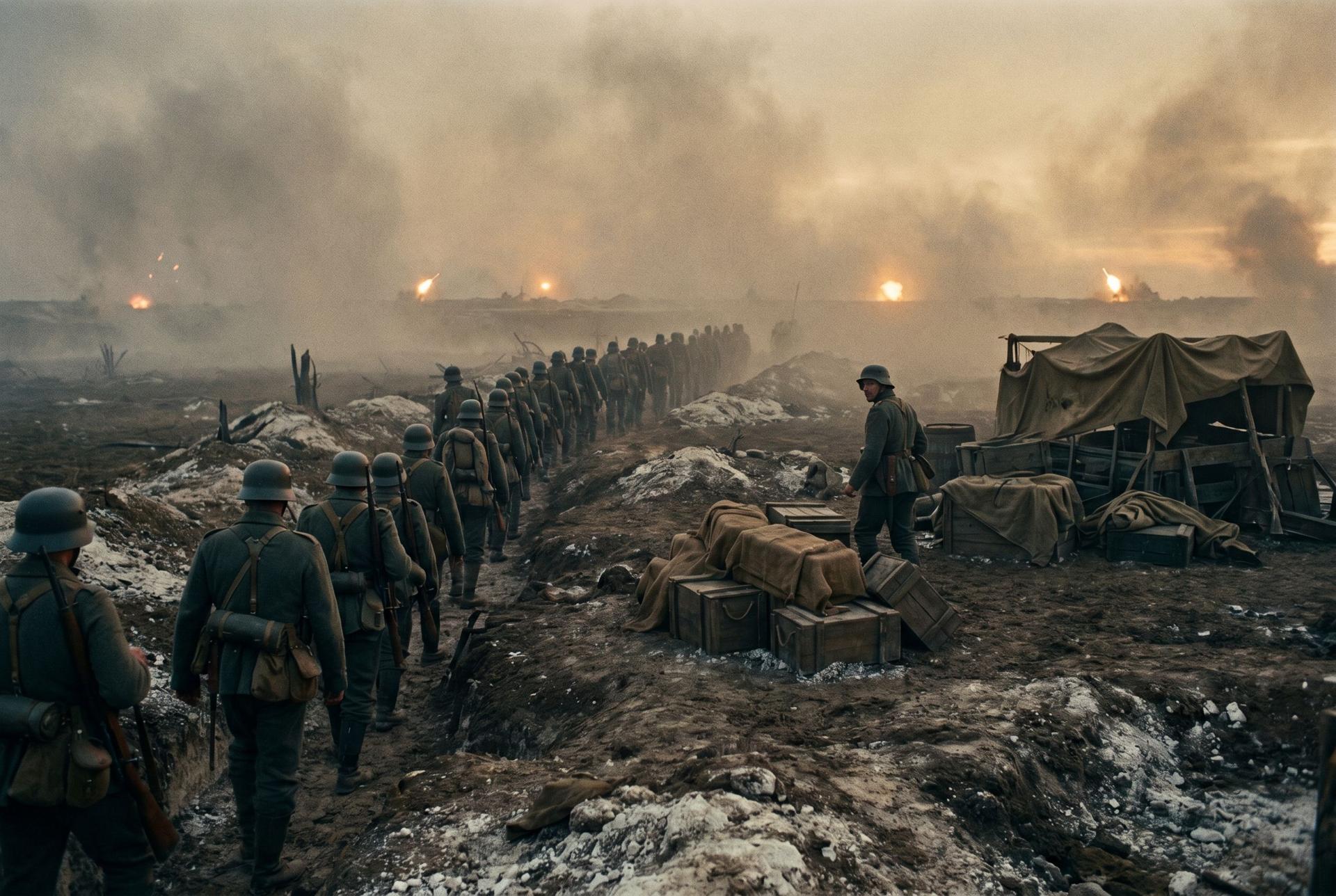
FATEFUL CHOICES · MAR 1918 · THE WESTERN FRONT
The Kaiser’s peace
On 21 March 1918 Ludendorff’s spring offensive tore a forty-mile hole in the British line and stalled short of Amiens, partly because his starving storm troopers stopped to feast in captured British supply dumps. This is the timeline where the spearheads eat marching and take the rail knot of the Western Front.
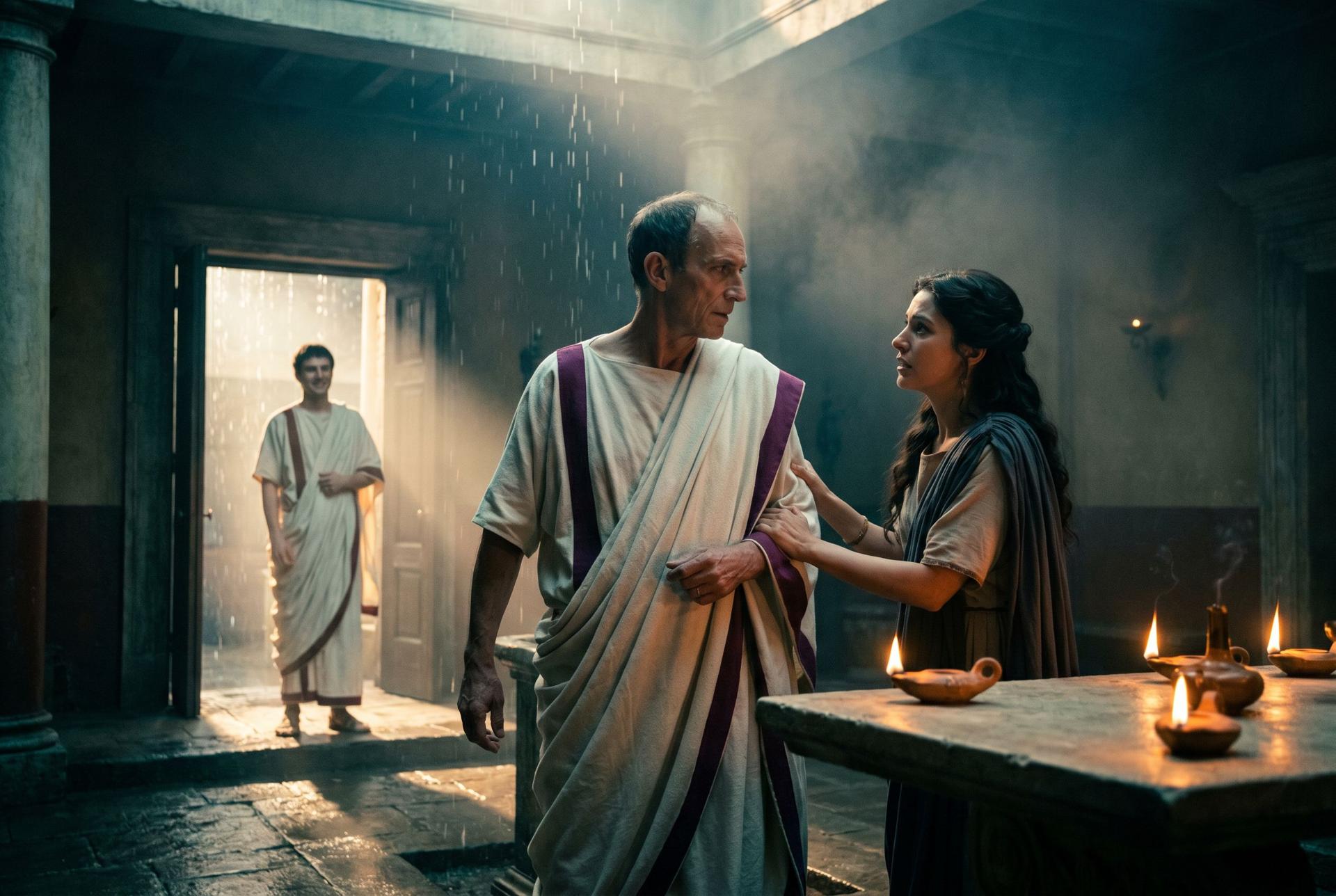
FATEFUL CHOICES · 15 MAR 44 BC · ROME
Caesar stays home
On the morning of the Ides of March, Caesar nearly did not go: Calpurnia had dreamed him dead and he ordered the Senate adjourned, until a conspirator came to his house and talked him out the door. This is the timeline where the door stays shut.
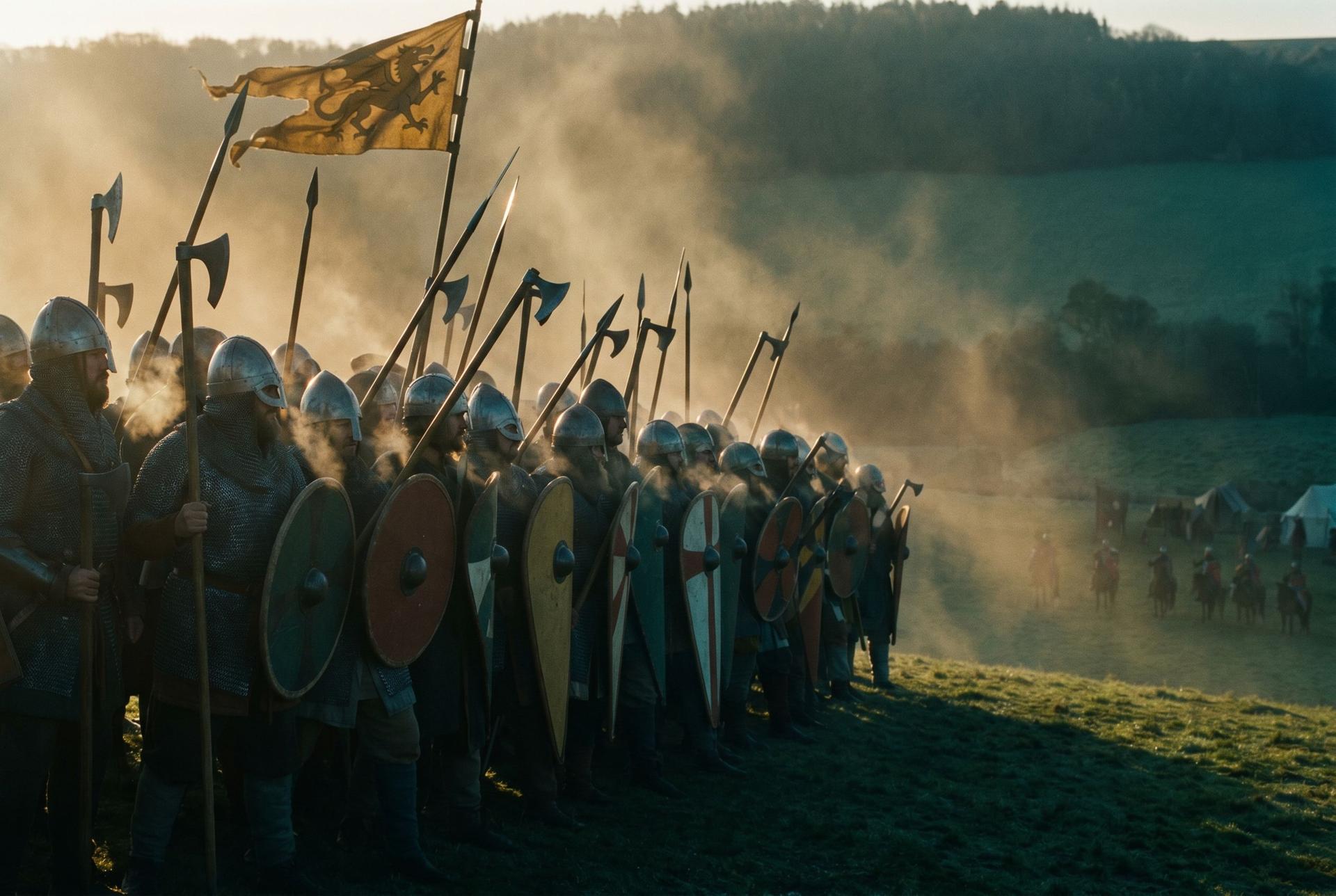
FATEFUL CHOICES · 14 OCT 1066 · SENLAC HILL, SUSSEX
Harold holds the hill
On 14 October 1066 the English shield wall held a Sussex ridge from nine in the morning until dusk, and lost England in the last hour by chasing a retreat that was not real. This is the timeline where the wall does not move.

FATEFUL CHOICES · SEP, AD 9 · GERMANIA
Varus reads the warning
September, AD 9. Three Roman legions are about to march into the Teutoburg Forest, guided by a trusted German officer named Arminius who has secretly raised all Germania against them. The night before, at dinner, a loyal chieftain warns the governor to arrest his guide. In our timeline Varus laughed it off as a family feud. This is the timeline where he listens.
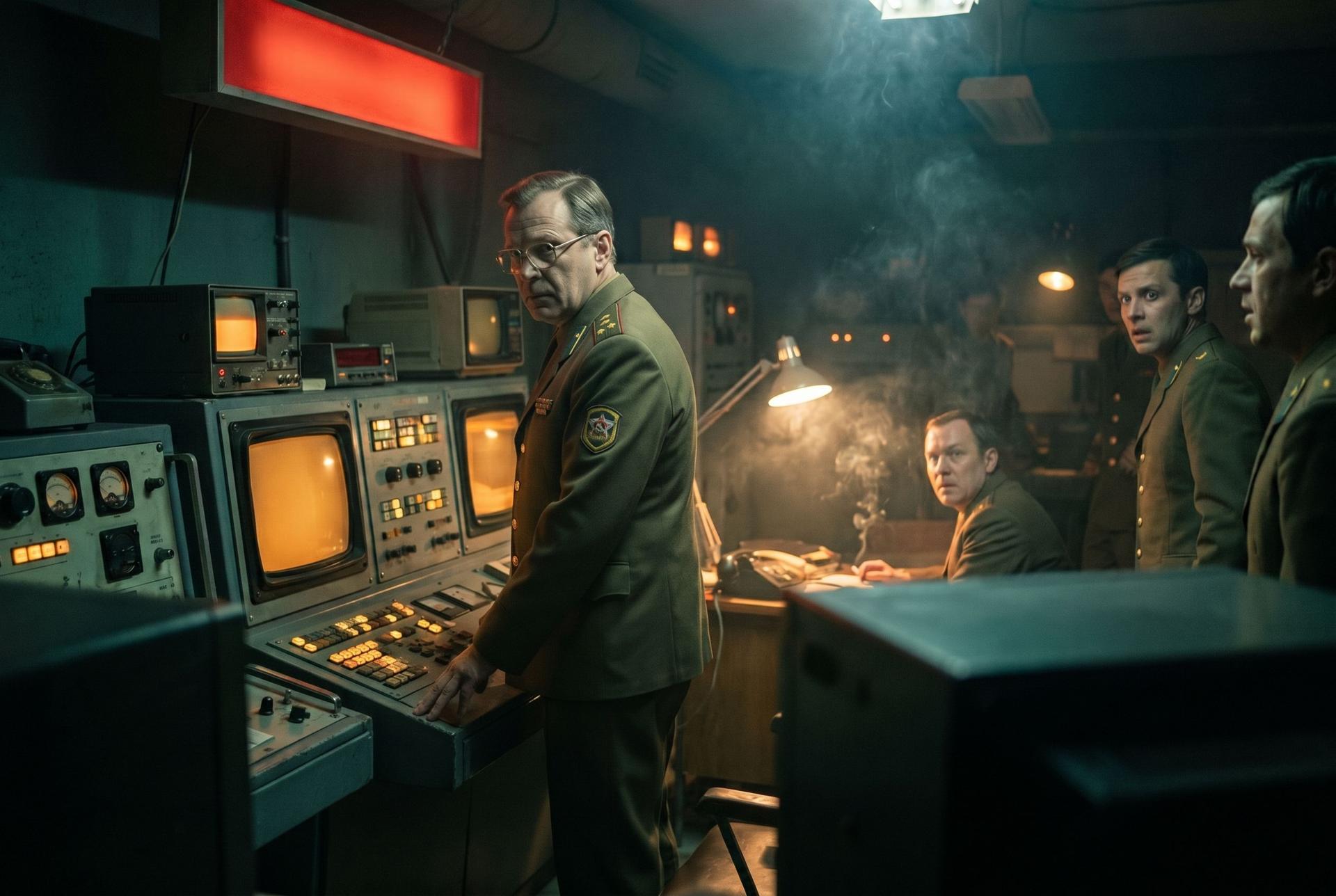
FATEFUL CHOICES · 26 SEP 1983 · SERPUKHOV-15, USSR
False alarm, 1983
A quarter past midnight, 26 September 1983. In a bunker south of Moscow, a screen says five American missiles are on their way, and duty officer Stanislav Petrov has minutes to decide what to tell the Kremlin. In our timeline he called it a malfunction. This is the timeline where he follows protocol.

FATEFUL CHOICES · 28 JUN 1914 · SARAJEVO
A wrong turn, corrected, at Sarajevo
28 June 1914. A bomb has already missed the archduke once this morning. His route changes; in our timeline, nobody tells the driver, the car stalls two paces from Gavrilo Princip, and the century catches fire. This is the timeline where someone says one sentence in time.
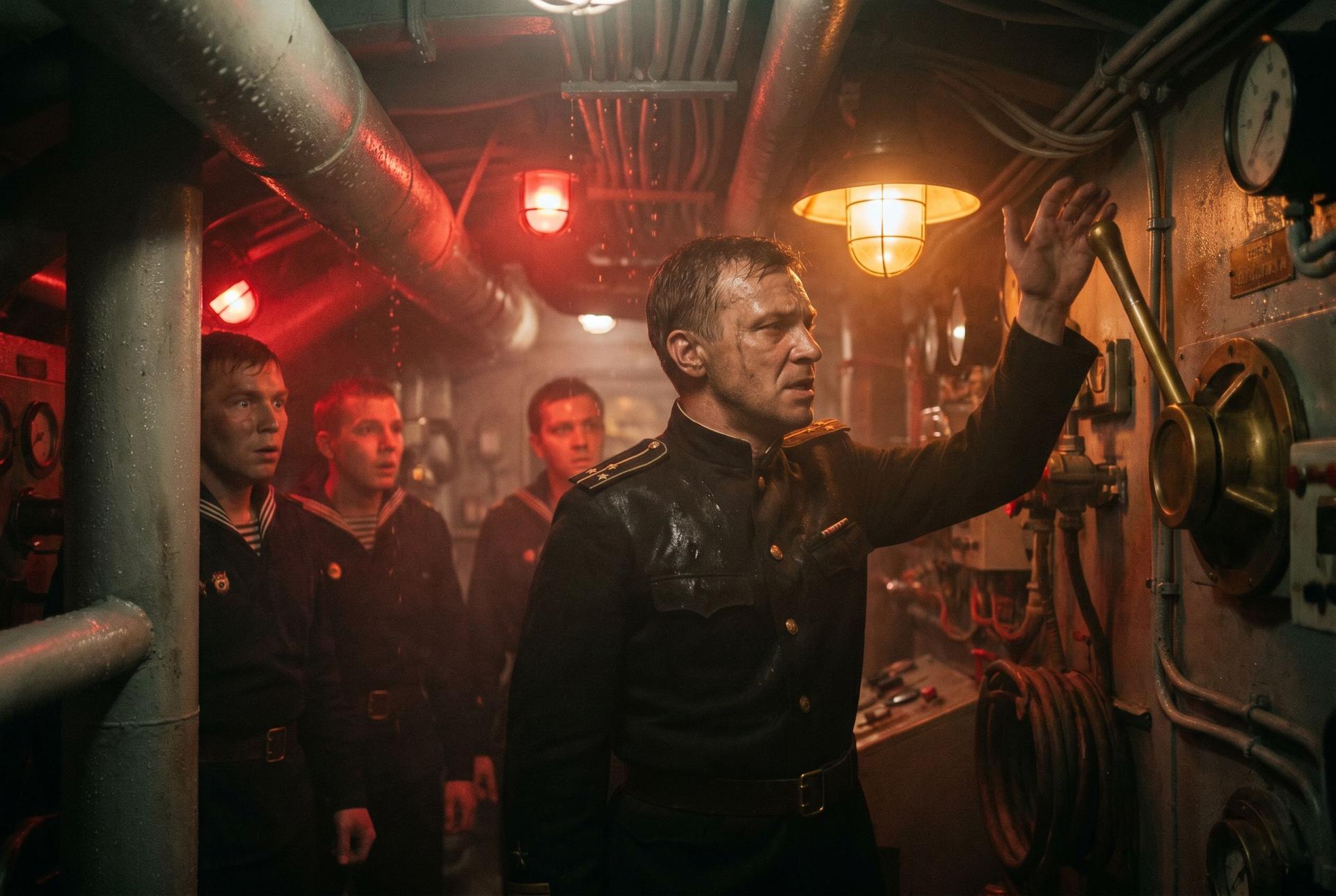
FATEFUL CHOICES · 27 OCT 1962 · THE SARGASSO SEA
The man who said no
27 October 1962, the deepest hour of the Cuban Missile Crisis. Aboard the Soviet submarine B-59, firing the nuclear torpedo takes three officers. Two have said yes. This is the timeline where the third says yes as well.
What Never Fell
15What fell in our timeline, doesn’t.

WHAT NEVER FELL · 9 OCT 1911 · HANKOU
The last Qing summer
Hankou, 9 October 1911. In a safe house in the Russian concession, a revolutionary is packing explosives beside the membership lists of every plotter in the New Army. This is the timeline where the fuse stays dry until evening.
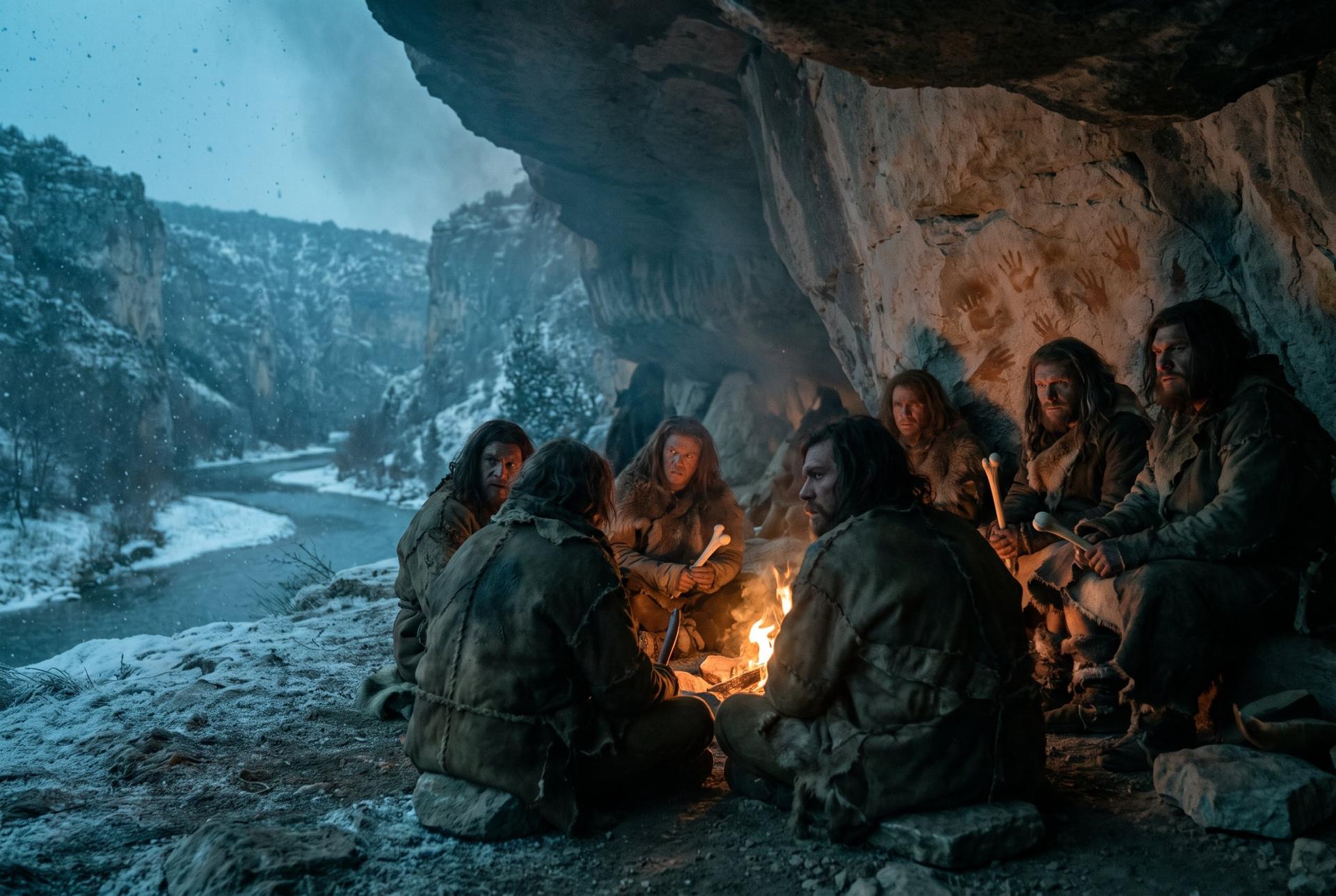
WHAT NEVER FELL · 40,000 BP · IBERIA
The other people endure
Iberia, forty thousand years ago. The last bands of the other human kind are wintering in the river gorges, and the cold is deciding. This is the timeline where the winters relent one lifetime sooner.
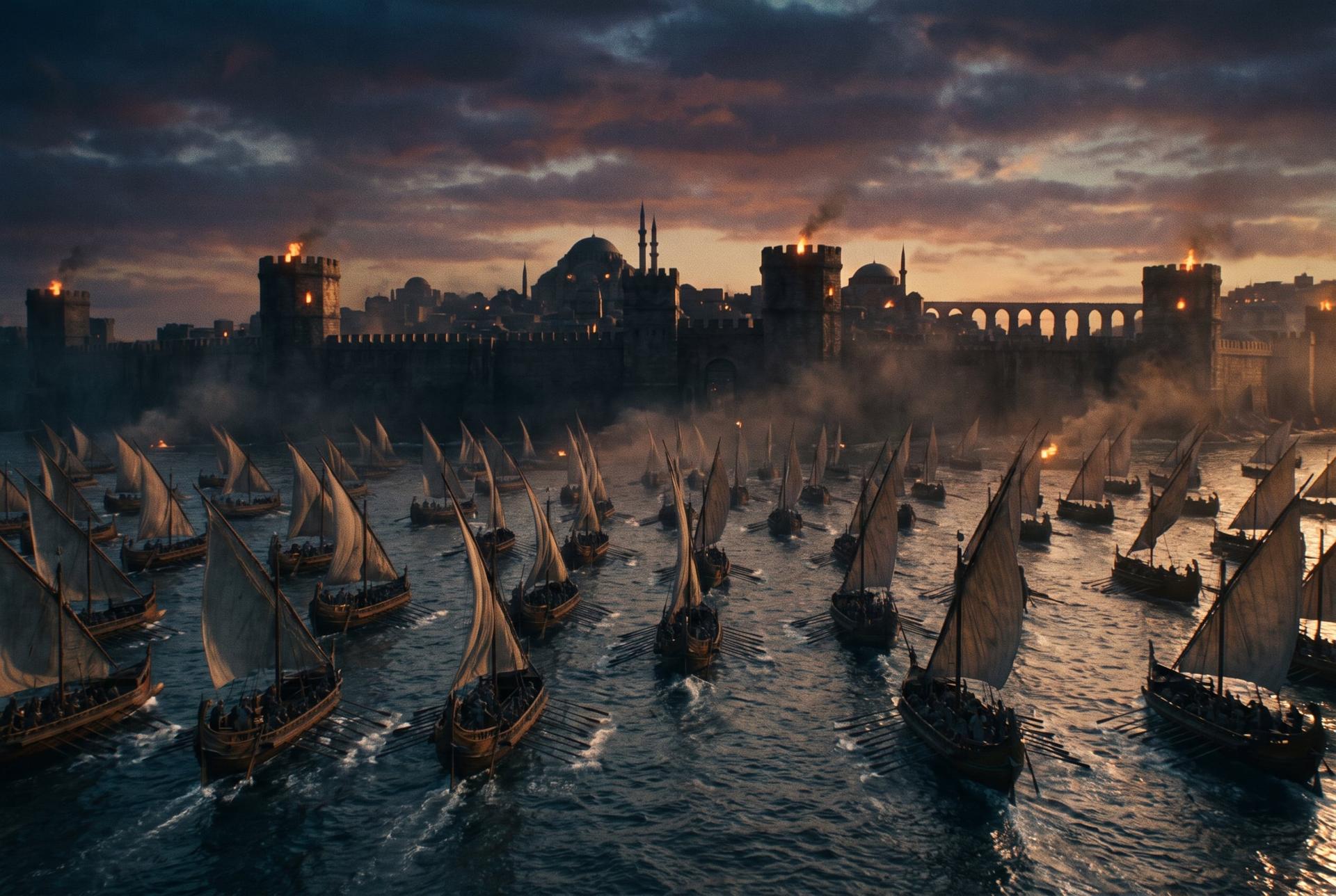
WHAT NEVER FELL · 717 · CONSTANTINOPLE
Constantinople, 717
The Golden Horn, autumn 717. Eighty thousand besiegers ring the city, and its defense hangs on a secret liquid fire and a hard winter. This is the timeline where the fire's makers are not inside the walls.
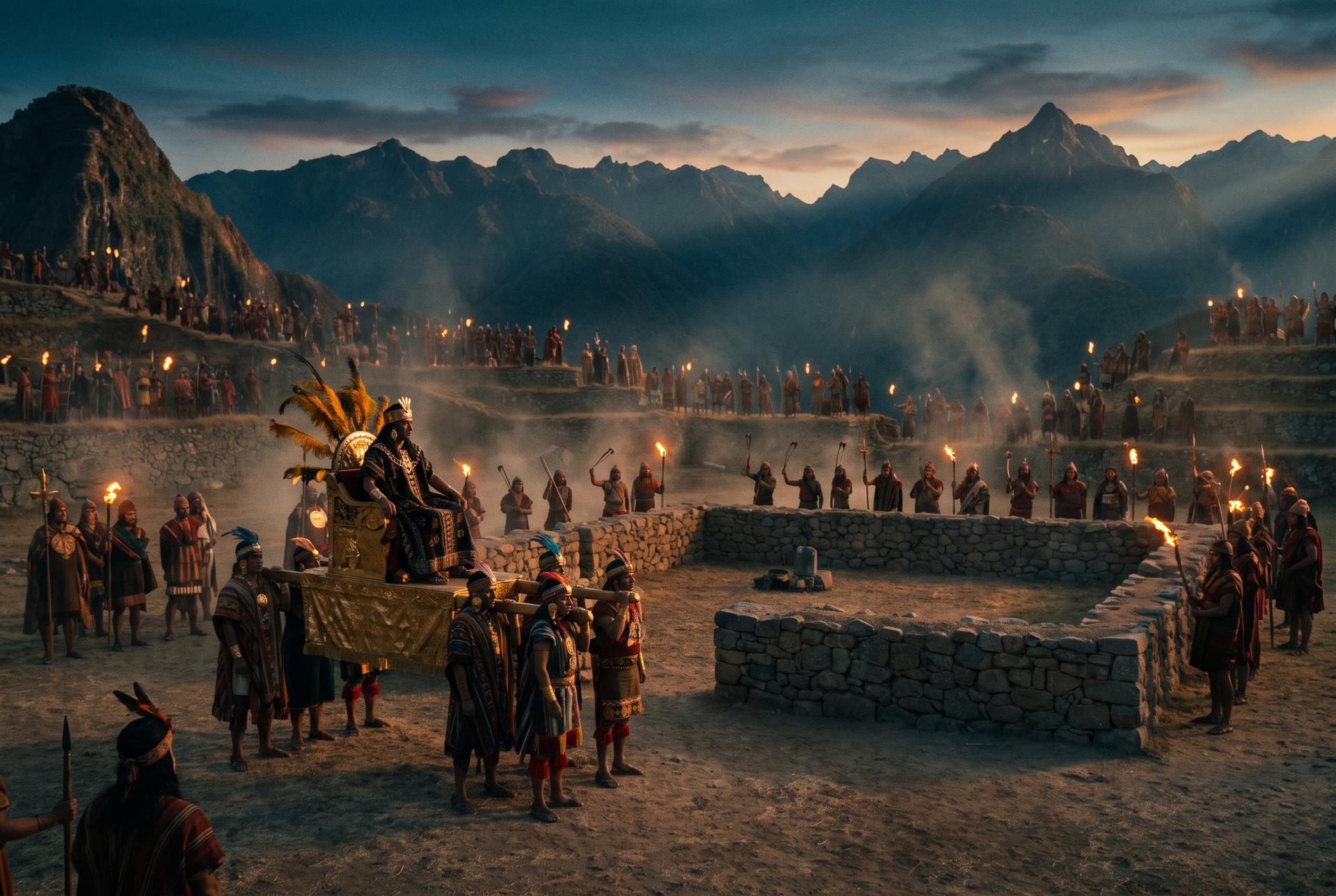
WHAT NEVER FELL · 16 NOV 1532 · CAJAMARCA
Cajamarca refuses the ambush
The Andes, 16 November 1532. An emperor with eighty thousand soldiers is about to enter a small square, unarmed, to meet one hundred and sixty-eight strangers. This is the timeline where his scouts finish their count.

WHAT NEVER FELL · WINTER 1491 · GRANADA
Al-Andalus endures
Granada, winter 1491. The last Muslim state in Iberia is starving behind its walls while its princes feud. This is the timeline where the feud ends, the corsairs come, and the siege breaks.
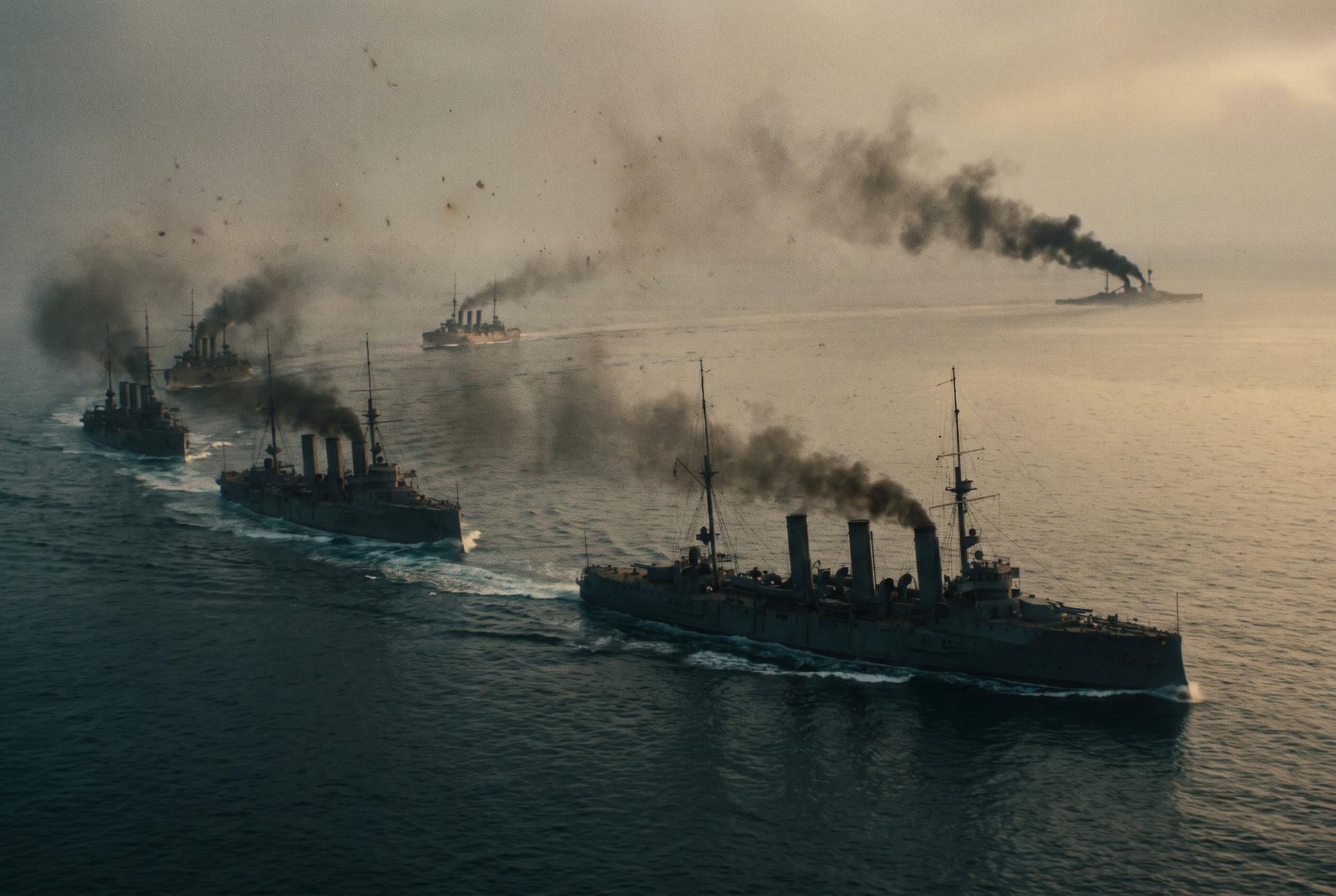
WHAT NEVER FELL · 7 AUG 1914 · THE IONIAN SEA
The peace of the steppes
The Ionian Sea, 7 August 1914. Two German warships are running for Constantinople with a war in their wake, and a British admiral is deciding whether to fight them. This is the timeline where he turns to engage.
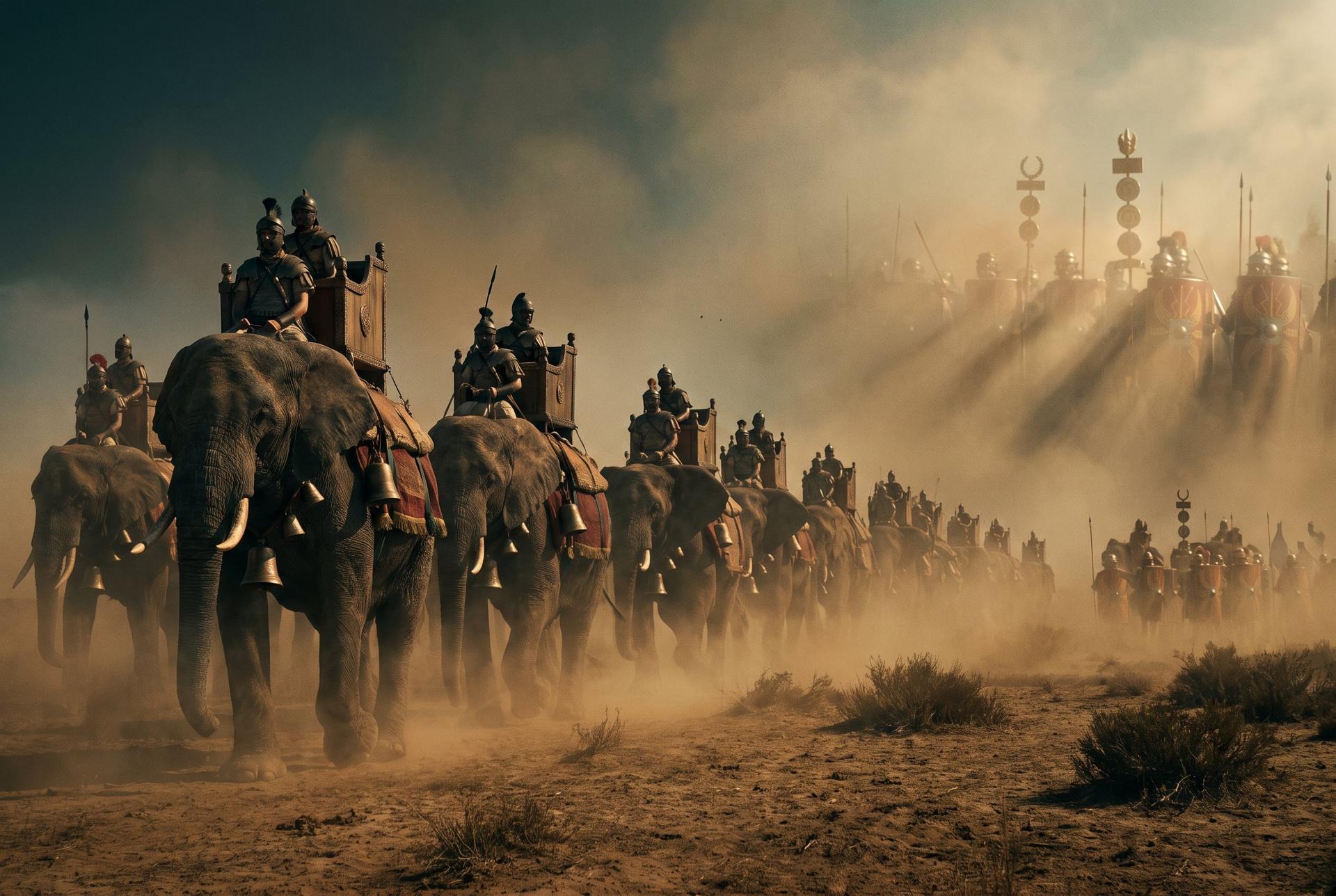
WHAT NEVER FELL · 202 BC · ZAMA
Carthage must stand
Zama, 202 BC. Eighty war elephants are about to charge into cleverly opened Roman lanes and be wasted. This is the timeline where the dust hides the trick, and the charge goes home.
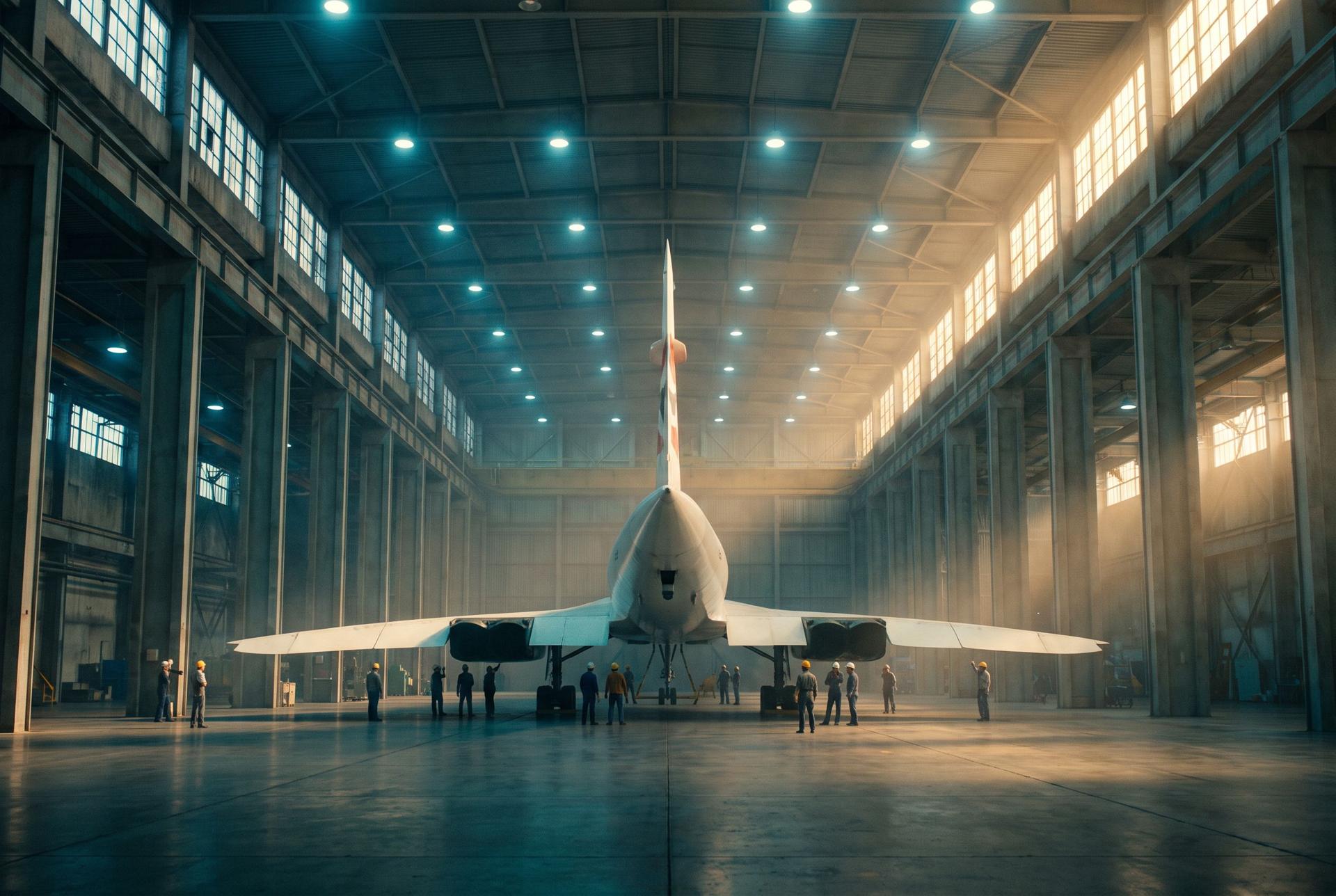
WHAT NEVER FELL · 24 MAR 1971 · WASHINGTON
The sky that kept its thunder
In March 1971 the United States Senate voted, 51 to 46, to cancel the Boeing 2707 and abandon supersonic flight. This is the timeline where three senators chose otherwise, the American delta flew, and the world learned to cross an ocean before lunch.
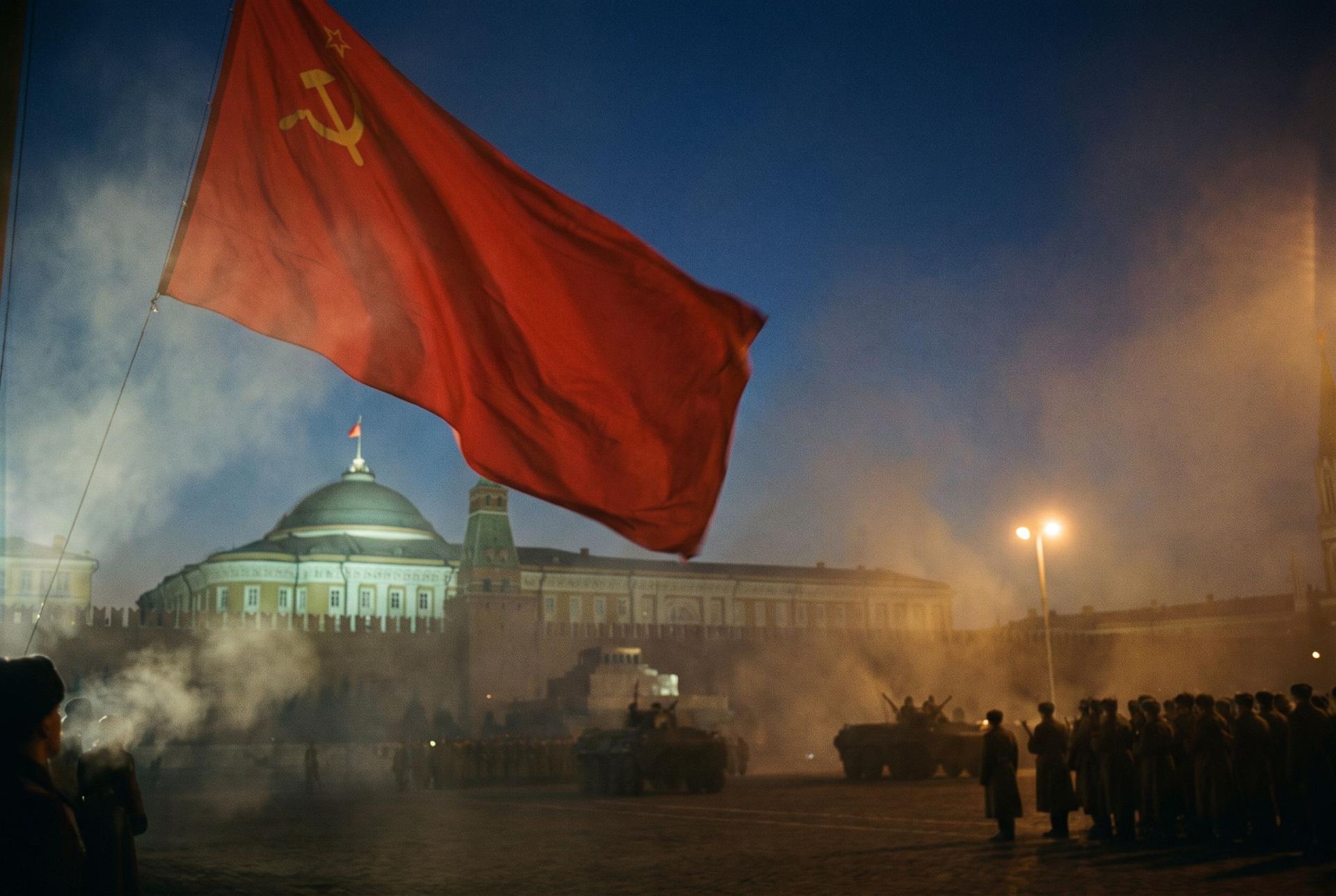
WHAT NEVER FELL · 19 AUG 1991 · MOSCOW
The hands that did not shake
August 1991, the last summer of the Soviet Union. Eight men seize power to stop the country from dissolving, and in our timeline their nerve fails within three days. This is the timeline where it holds.
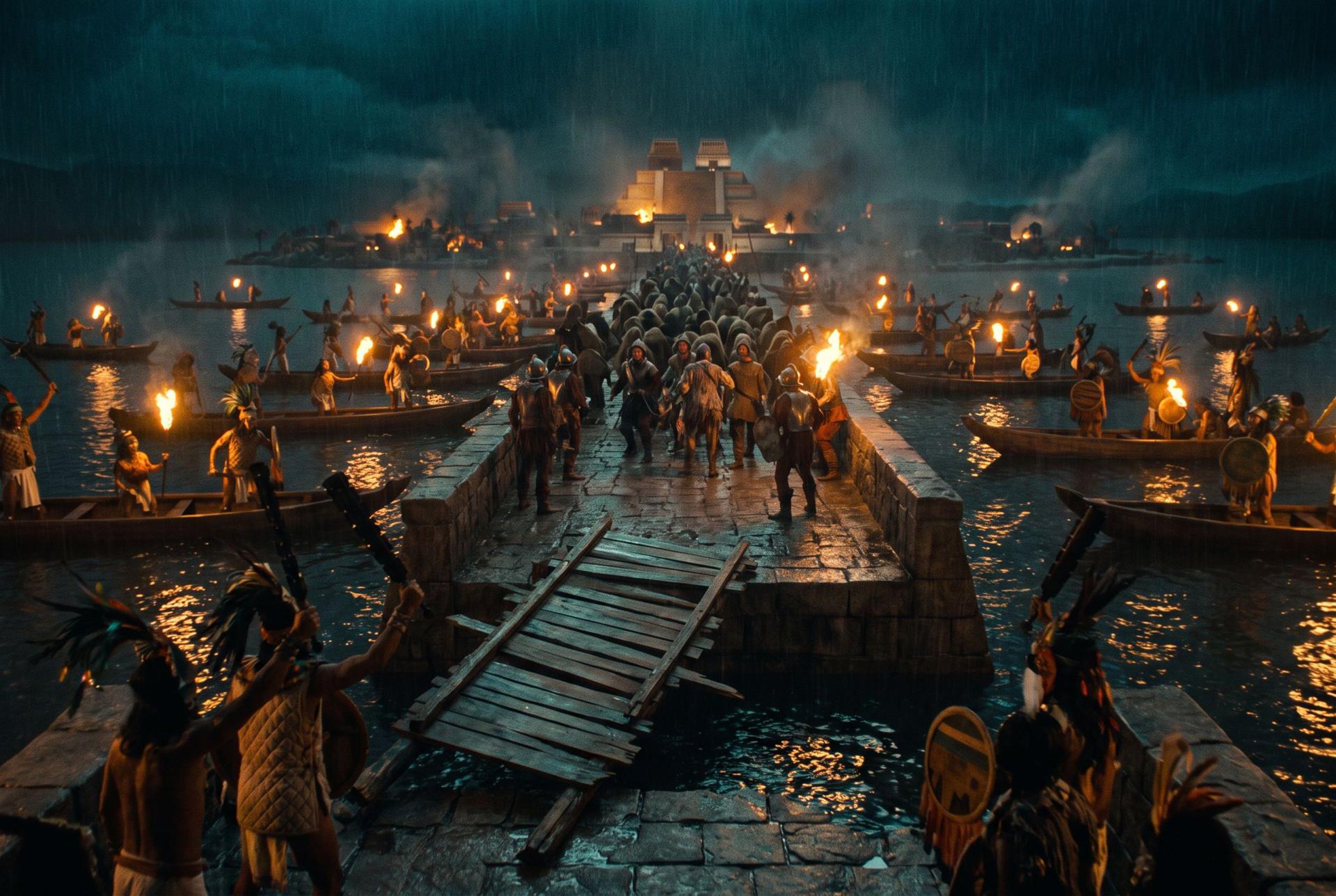
WHAT NEVER FELL · 1520 · TENOCHTITLAN
The lake city holds
The night of 30 June 1520: Hernan Cortes and his army are fleeing Tenochtitlan across a causeway over the lake, a portable bridge their only way past the gaps. In our timeline enough of them clawed across the dead to escape. This is the timeline where the causeway keeps them, and the city on the lake does not fall.
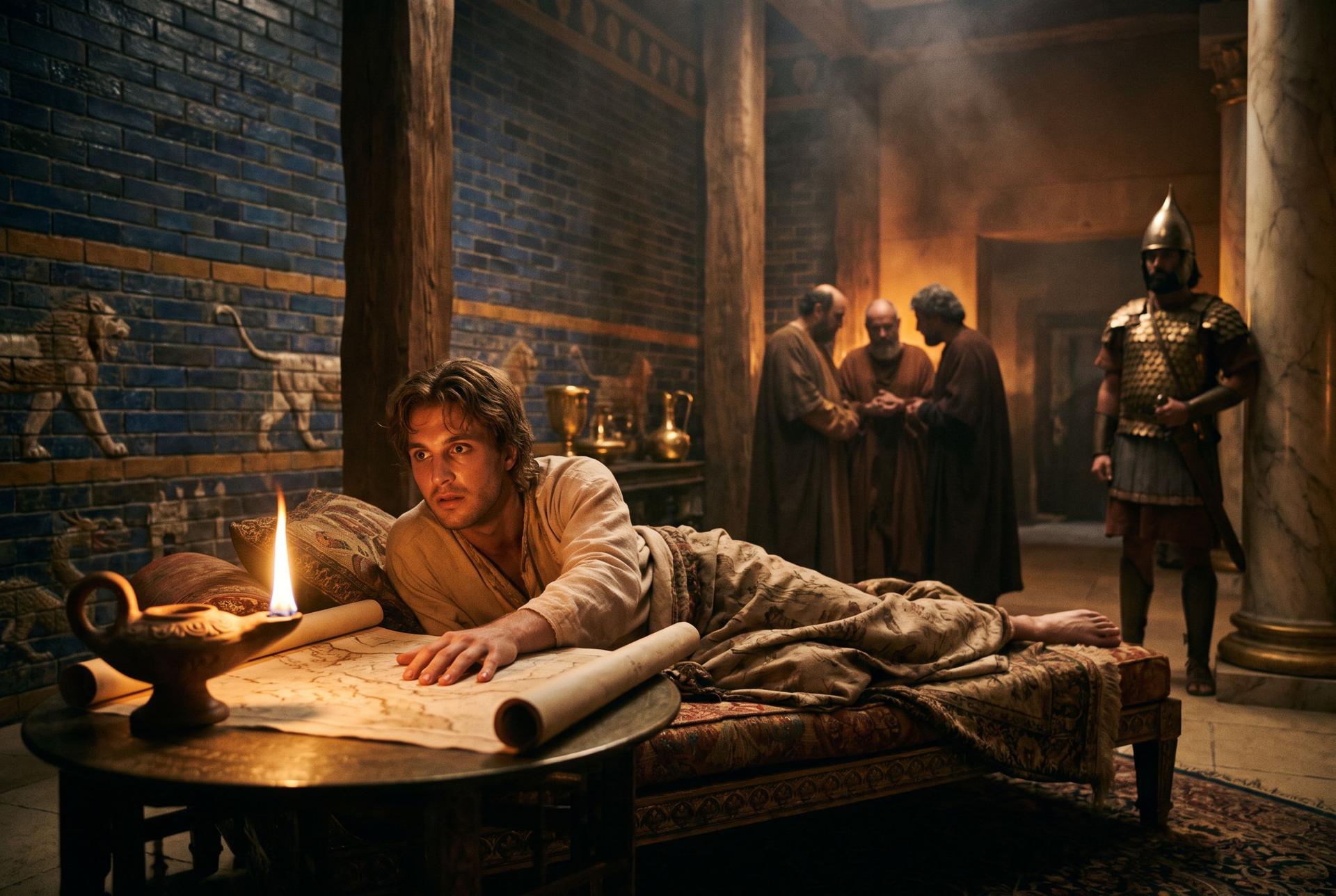
WHAT NEVER FELL · 323 BC · BABYLON
The fever breaks
For ten days in the summer of 323 BC, a fever holds Alexander the Great in Babylon, and a fleet waits to carry him past the last blank edge of the map. This is the timeline where, on the tenth night, the fever breaks and the king wakes.
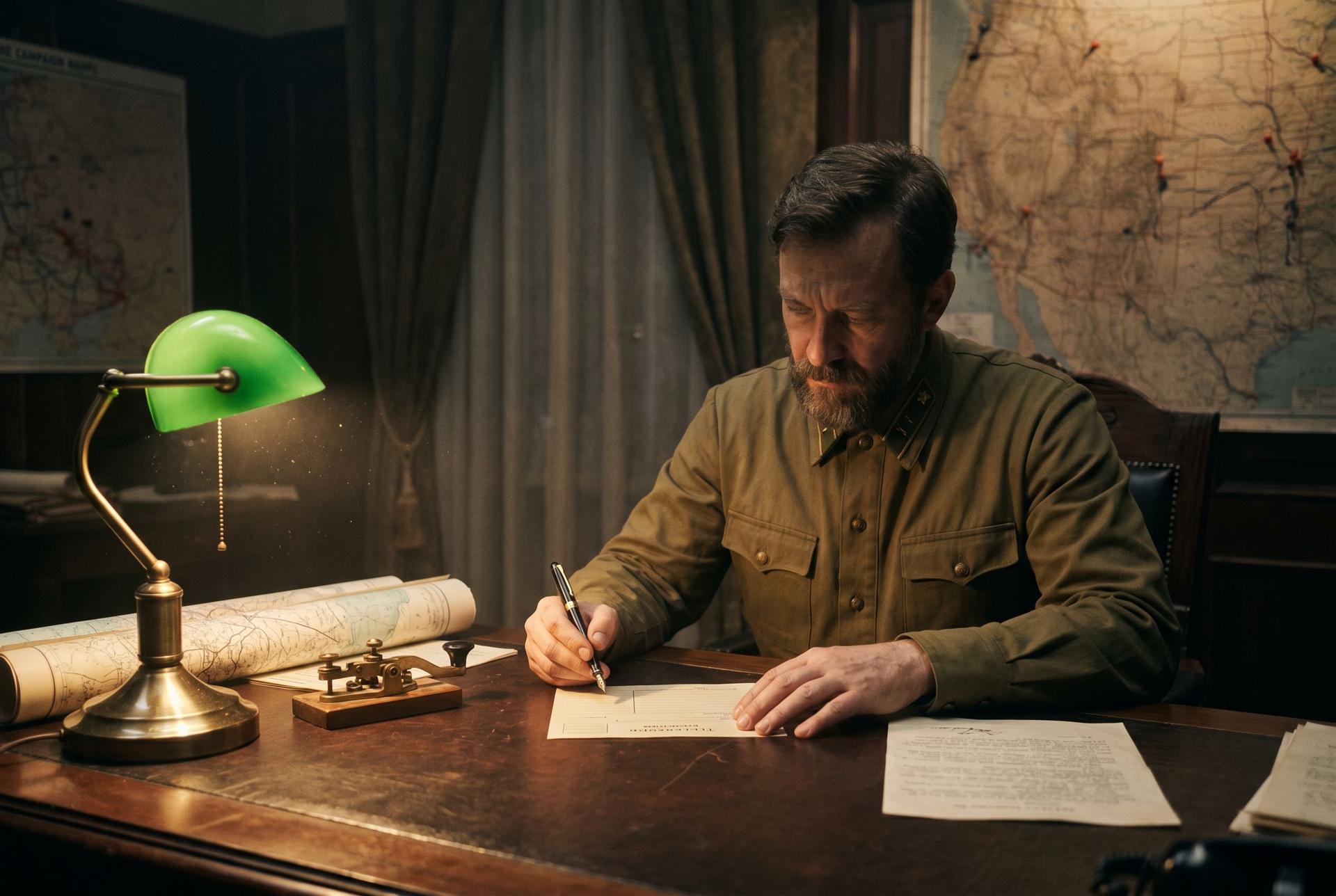
WHAT NEVER FELL · MAR 1917 · PETROGRAD
The tsar keeps his throne
In March 1917 a week of bread riots and a garrison mutiny ended three centuries of Romanov rule; the Duma’s president wired the tsar that the last hour had struck, and the tsar called it nonsense and dissolved the Duma instead. This is the timeline where he signs the other paper.
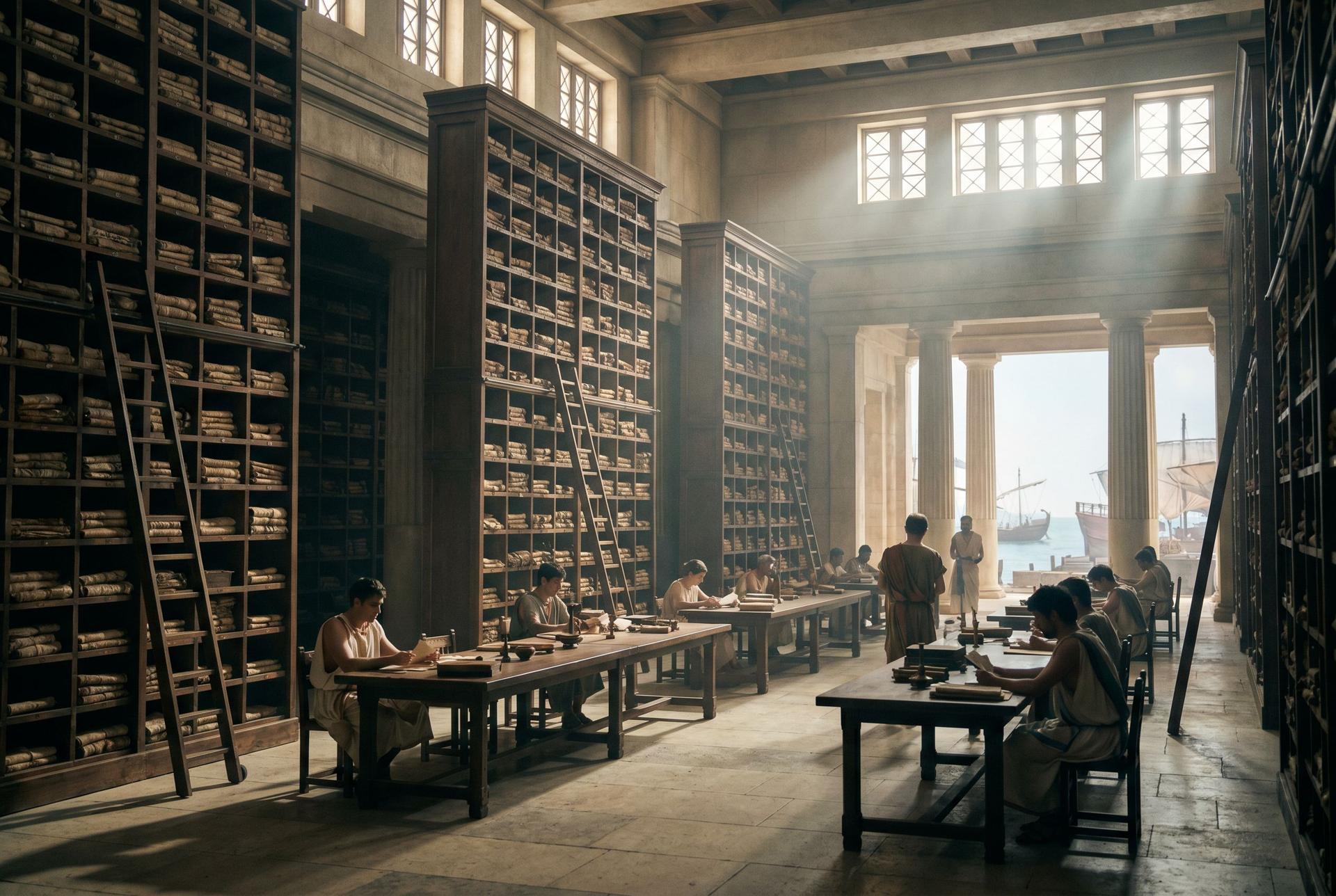
WHAT NEVER FELL · 48 BC ONWARD · ALEXANDRIA
The Library of Alexandria never burns
The ancient world kept its entire memory in one building in one city, and history spent seven centuries misplacing it. This is the timeline where one librarian read the warning in Caesar’s dockfire, and made forgetting impossible.
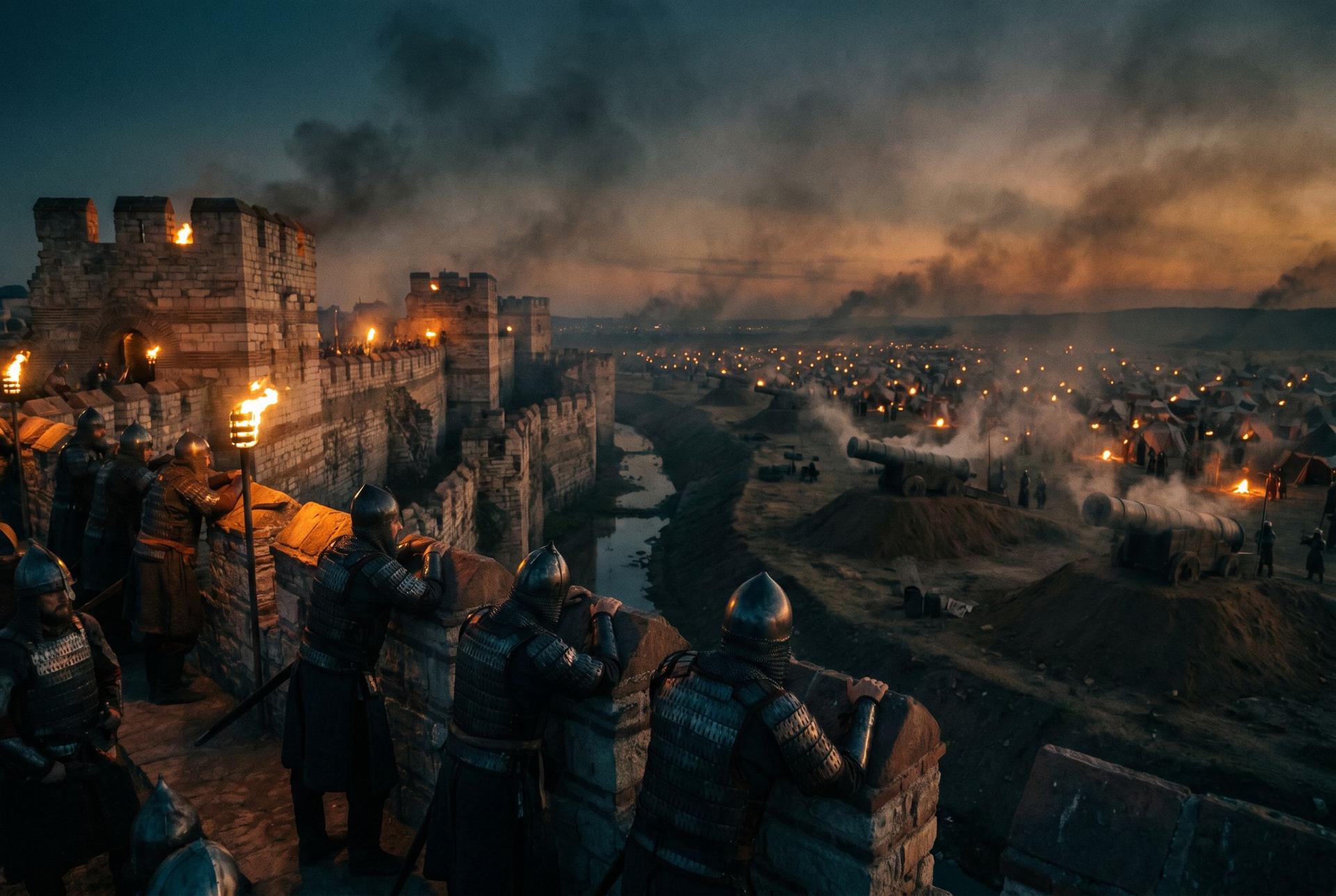
WHAT NEVER FELL · 29 MAY 1453 · THE THEODOSIAN WALLS
Constantinople holds in 1453
The fifty-third day of the siege. The great bombard has opened the wall, the last emperor stands in the breach, and the defense turns on one Genoese captain staying on his feet. In our timeline a shot found him at the worst hour. This is the timeline where it missed.
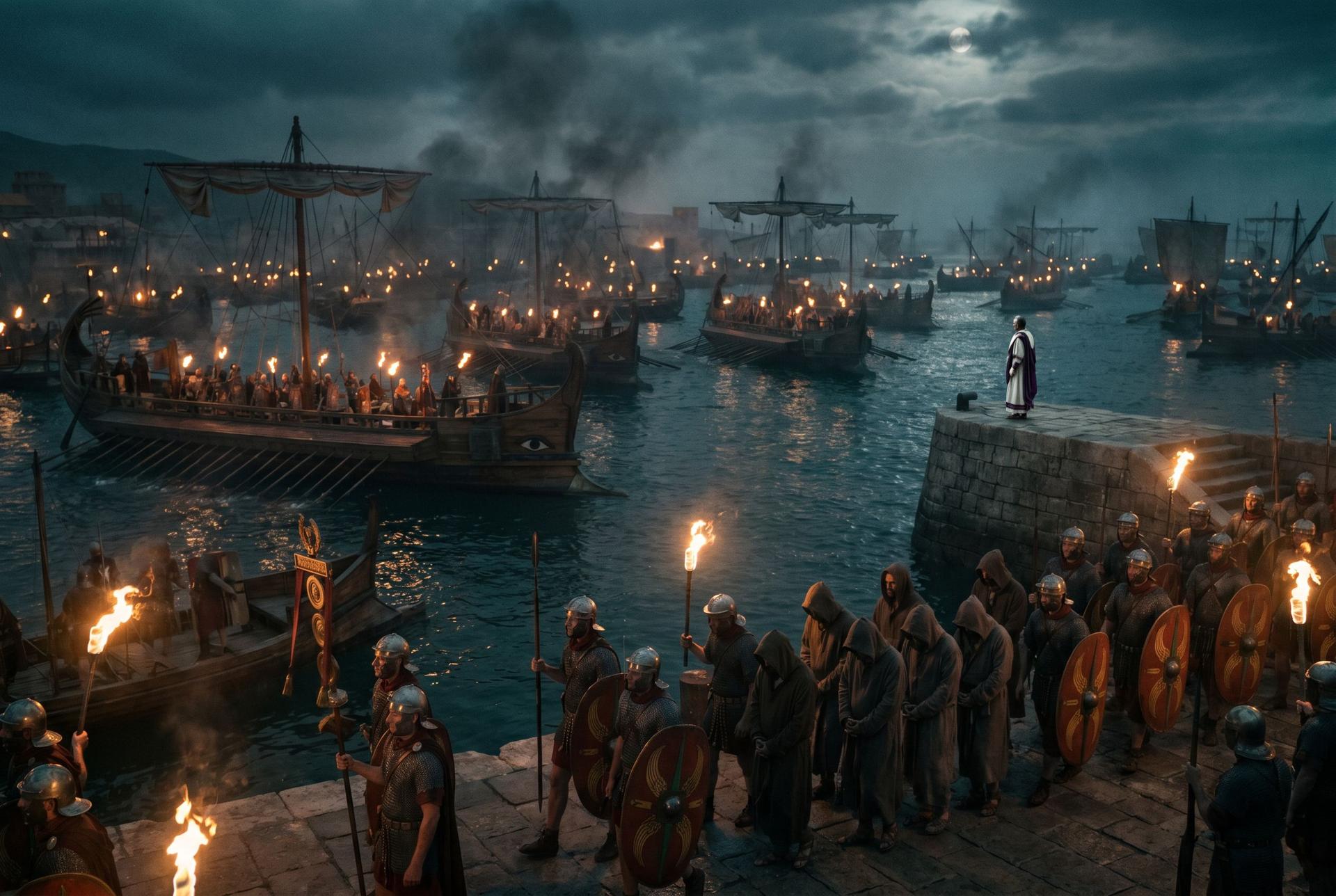
WHAT NEVER FELL · AD 460 · CARTAGENA, HISPANIA
Rome never falls
Cartagena, AD 460. Three hundred Roman warships lie at anchor, built to take Africa back from the Vandals and save the West. In our timeline, traitors let the Vandals burn that fleet, and within sixteen years there was no Western Rome to save. This is the timeline where the traitors were caught the night before.
Twists of Chance
15Chance falls a hair differently.
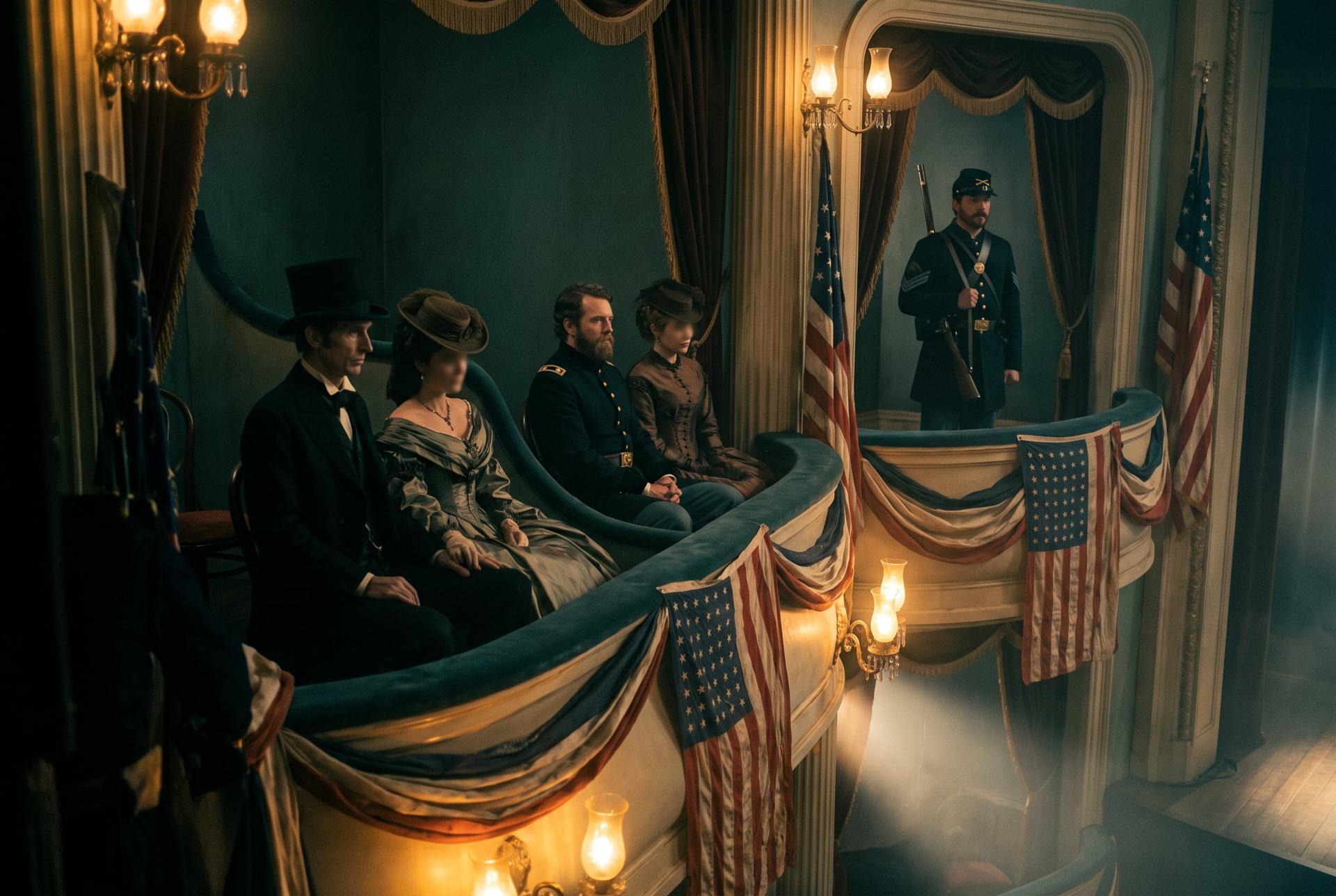
TWISTS OF CHANCE · 14 APR 1865 · WASHINGTON
Lincoln lives
Washington, 14 April 1865. The Grants have declined the President's theatre invitation, and the box will be guarded by one unreliable policeman. This is the timeline where the general changes his mind.
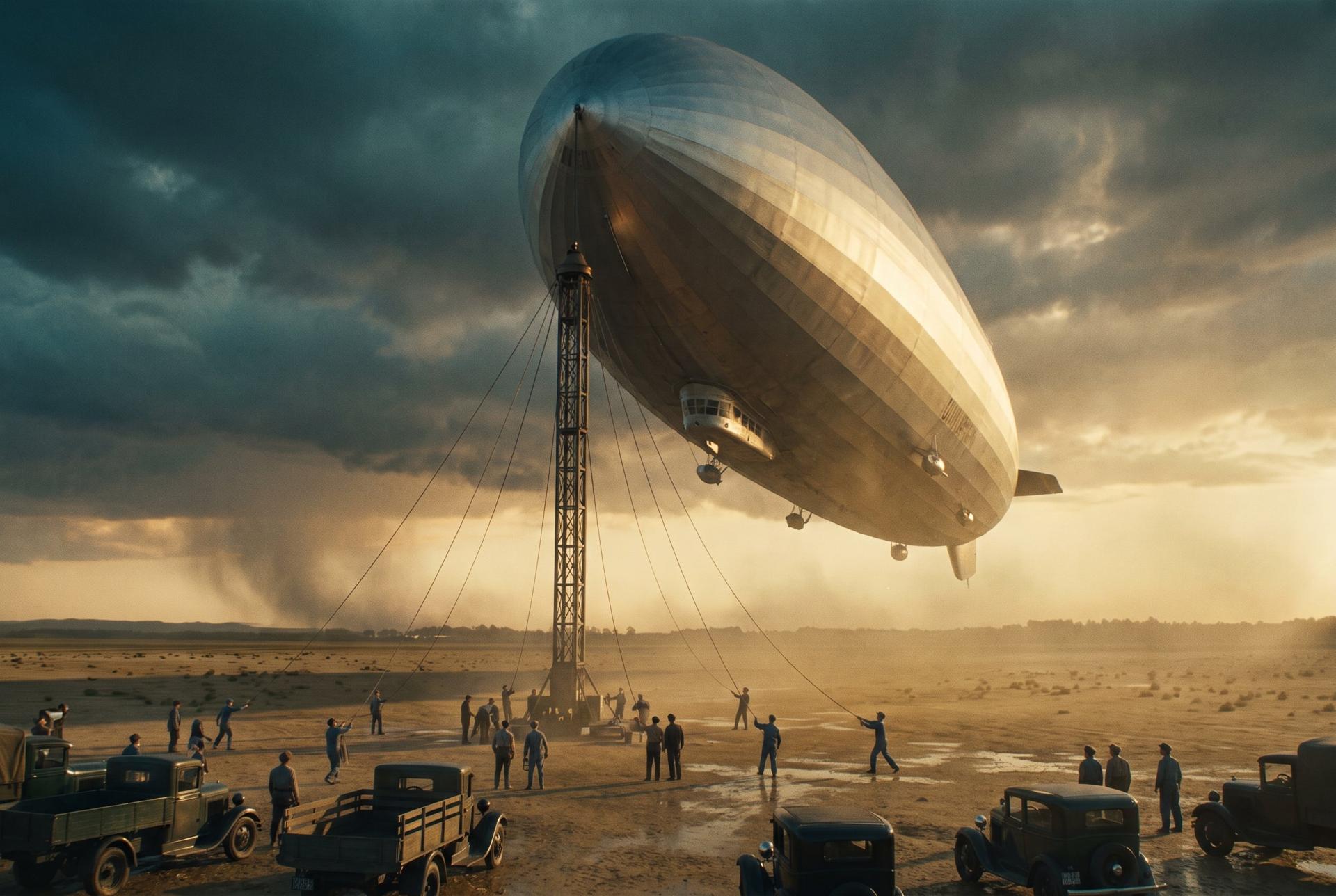
TWISTS OF CHANCE · 6 MAY 1937 · LAKEHURST
The Hindenburg lands quietly
Lakehurst, New Jersey, 6 May 1937. The largest flying object ever built is waiting out a thunderstorm before landing. This is the timeline where the front passes an hour sooner, and the ship comes down in sunlight.
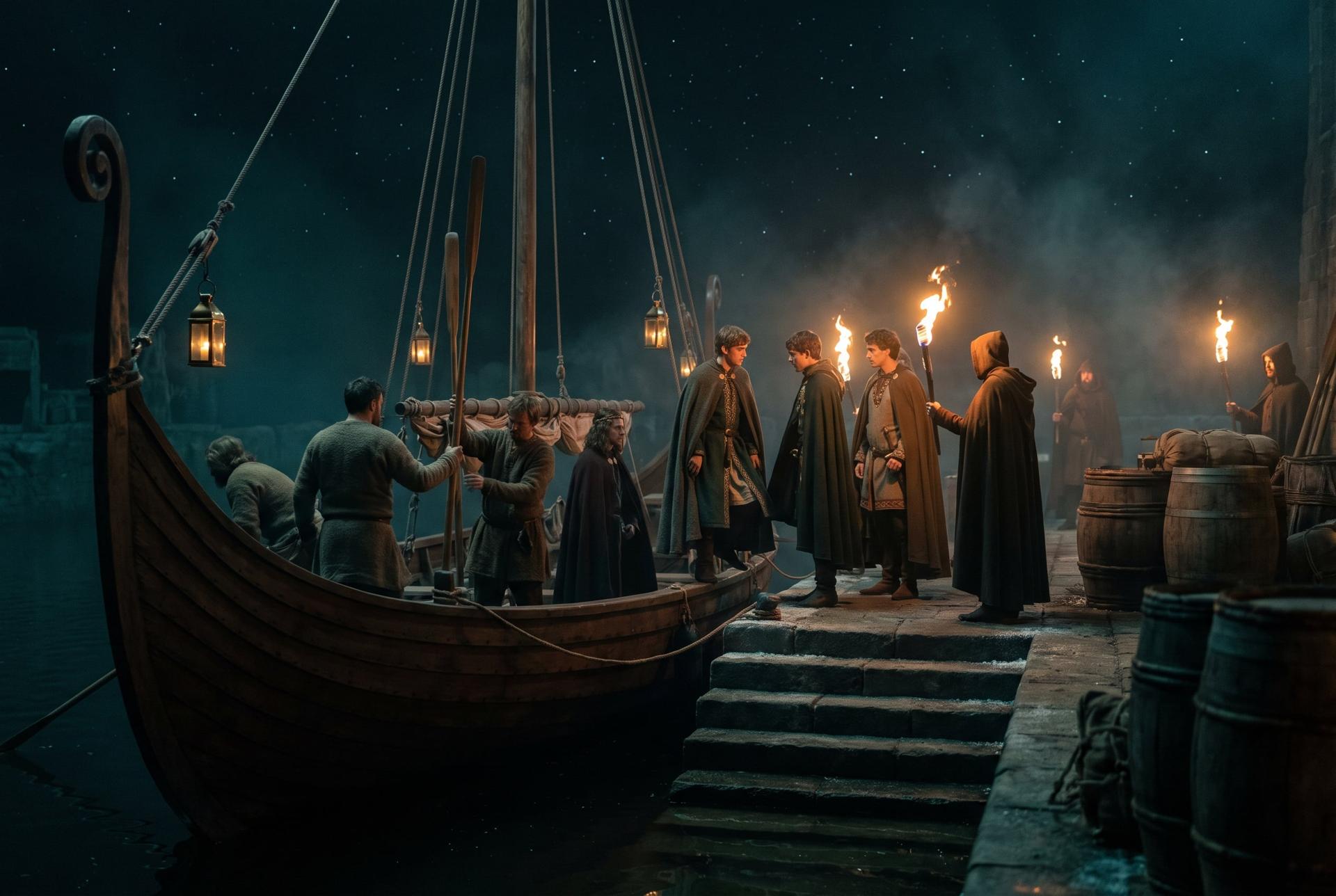
TWISTS OF CHANCE · 25 NOV 1120 · BARFLEUR
The white ship comes home
Barfleur, the night of 25 November 1120. The heir to England is sailing on the newest ship in the harbor, and the crew is drinking the wine he brought aboard. This is the timeline where the wine stays on the quay.
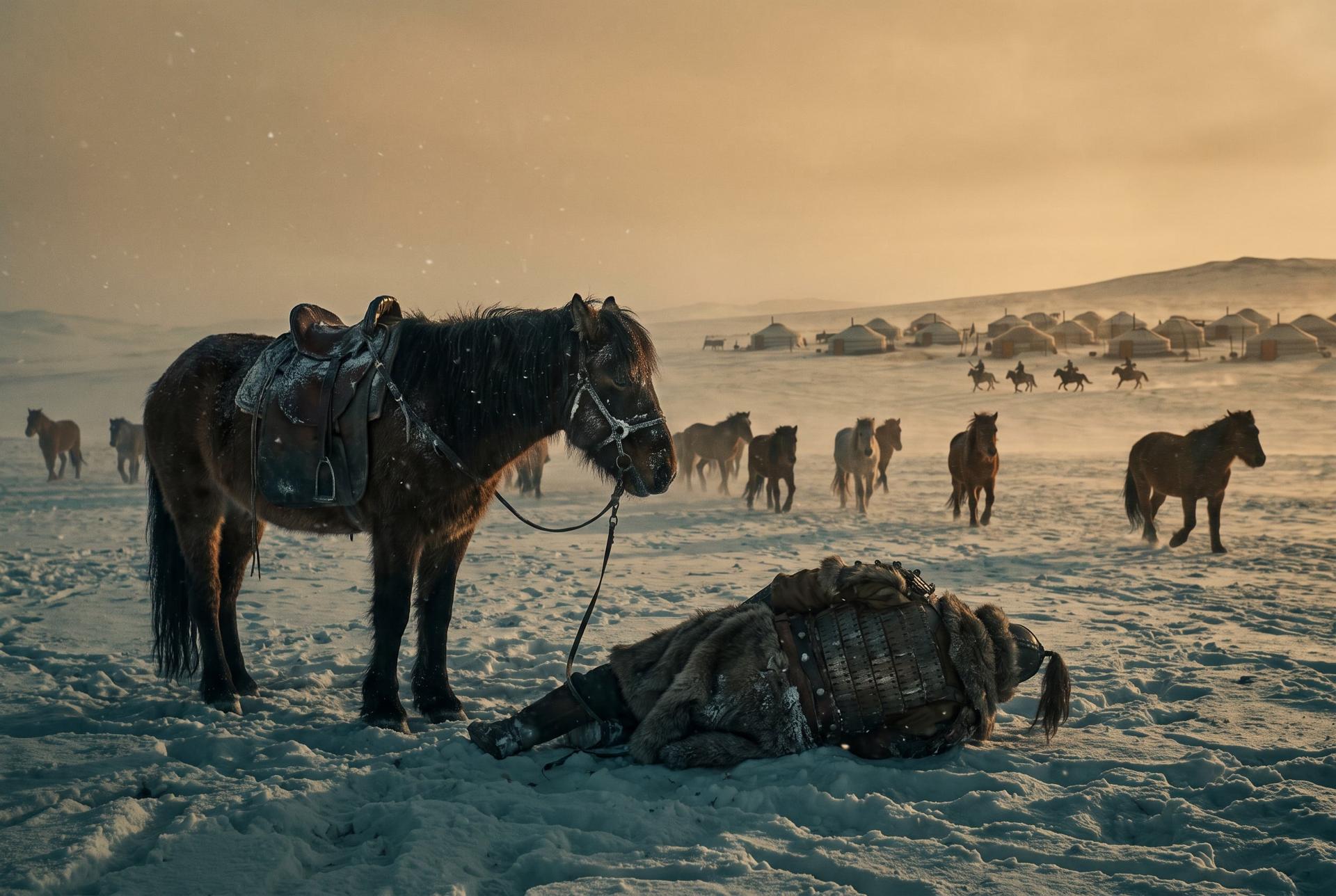
TWISTS OF CHANCE · WINTER 1226 · THE ORDOS
The khan falls at Yinchuan
The Ordos steppe, winter 1226. The conqueror of half the world is hunting wild horses when his mount rears and throws him. This is the timeline where the old man does not get up.
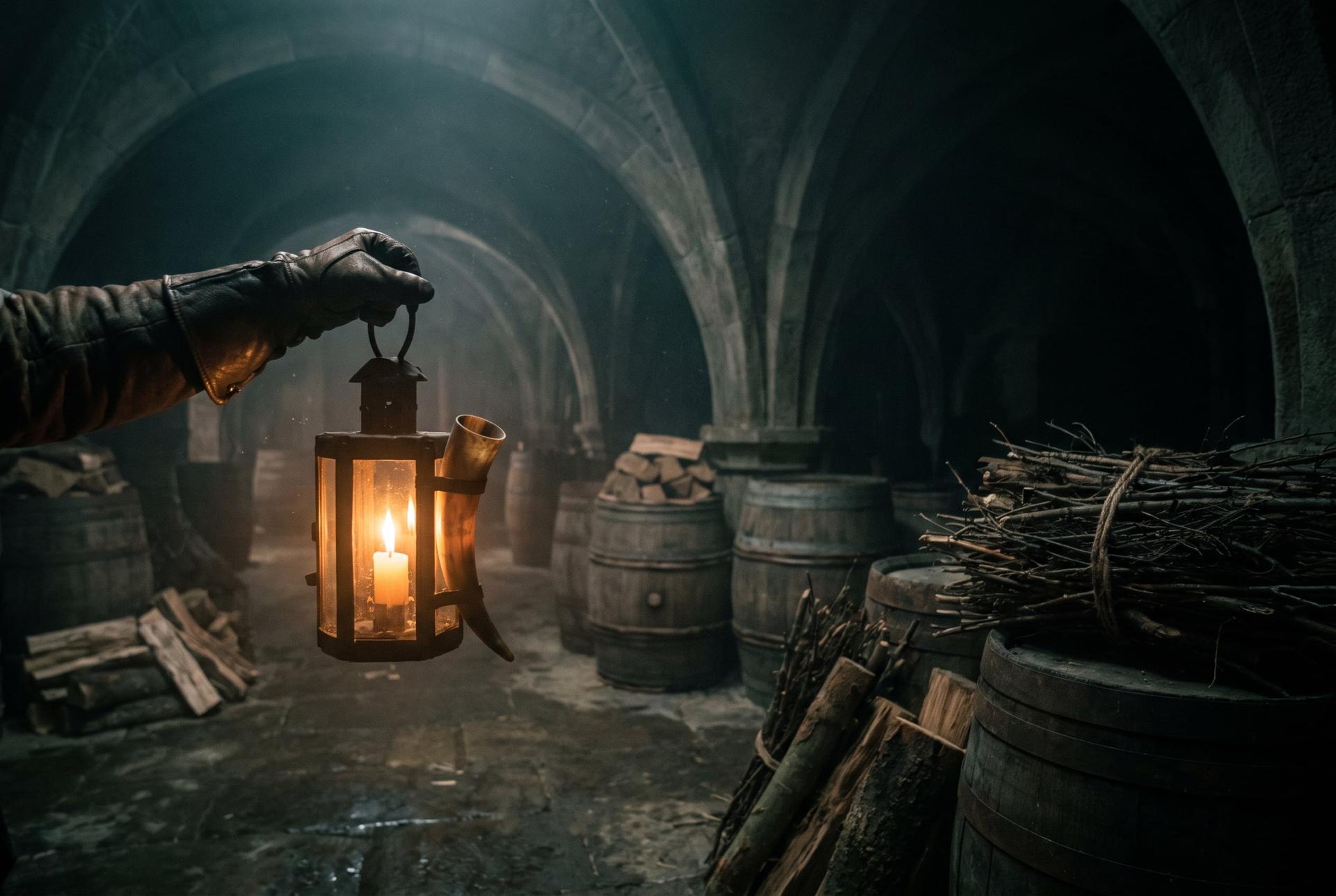
TWISTS OF CHANCE · 5 NOV 1605 · WESTMINSTER
The gunpowder under Parliament
London, 26 October 1605. A lord at supper is handed an anonymous letter warning him away from the opening of Parliament. This is the timeline where he reads it once, and burns it.
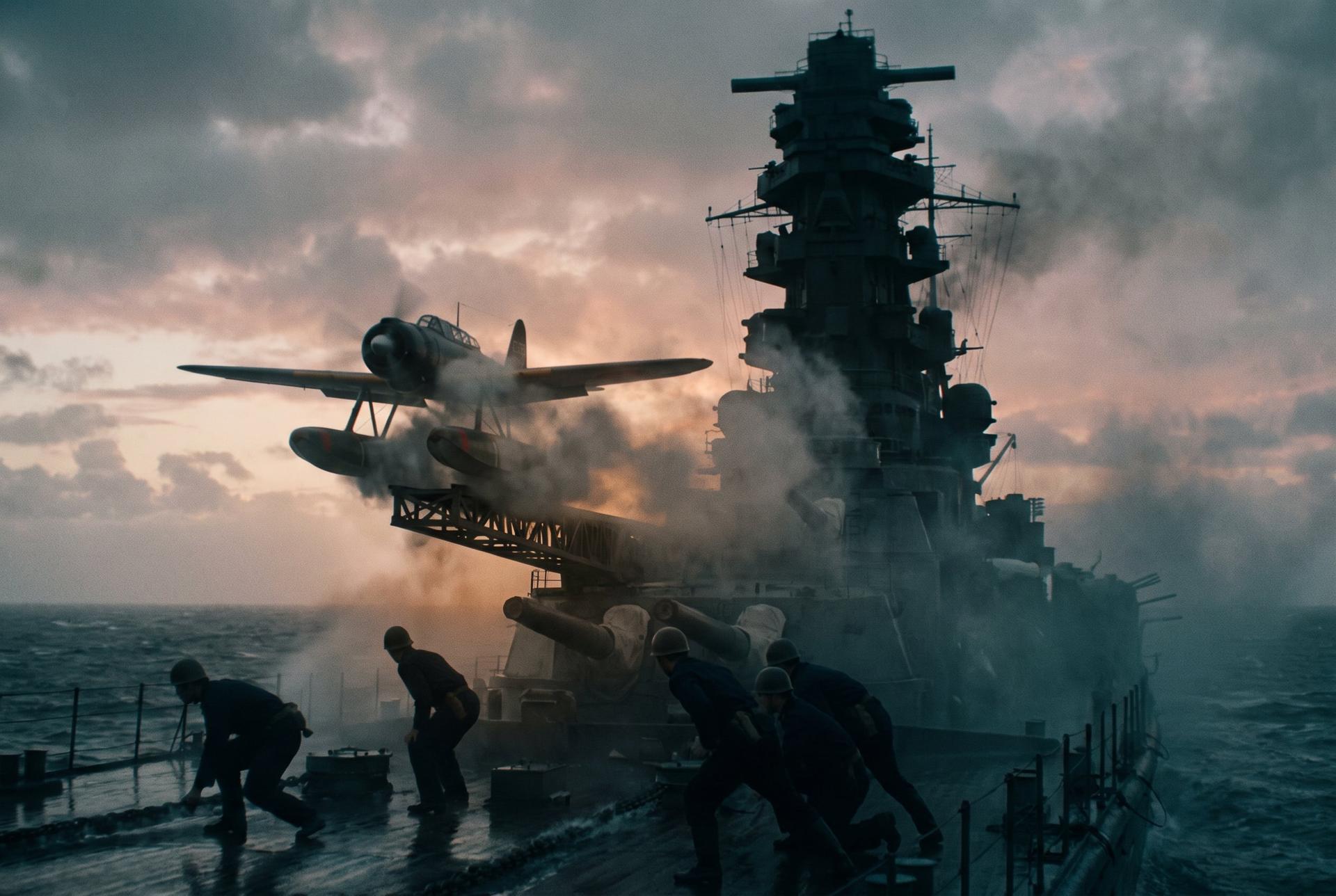
TWISTS OF CHANCE · 4 JUN 1942 · THE PACIFIC
The scouts of Midway
The Pacific, dawn, 4 June 1942. On the cruiser Tone, a catapult refuses to fire, and the search plane that matters most sits on its rail while the minutes drain. This is the timeline where it launches on time.
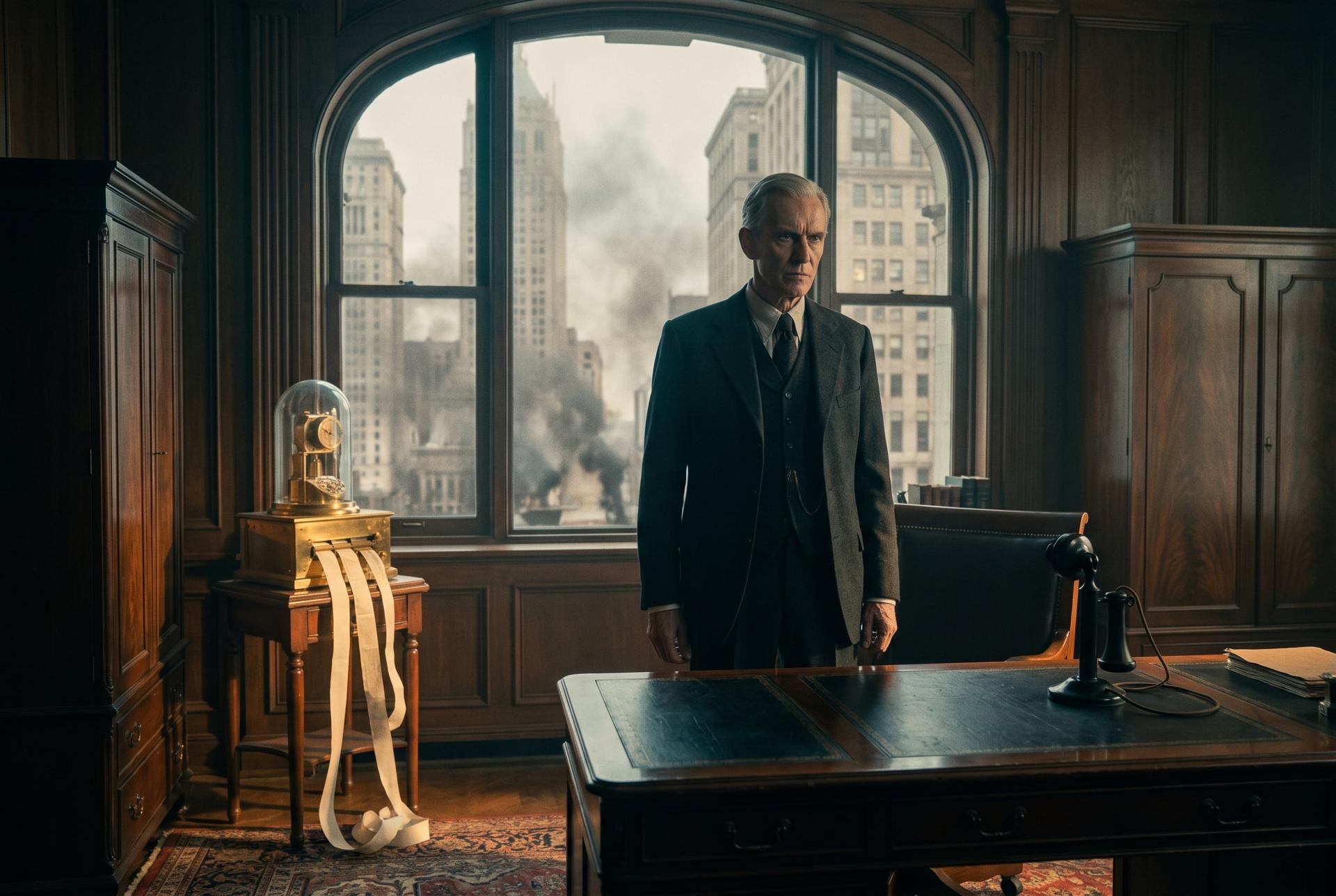
TWISTS OF CHANCE · OCT 1928 · NEW YORK
The long boom
New York, October 1928. The one central banker who knows what a panic needs is dying of tuberculosis at fifty-five. This is the timeline where Benjamin Strong lives to meet the crash.
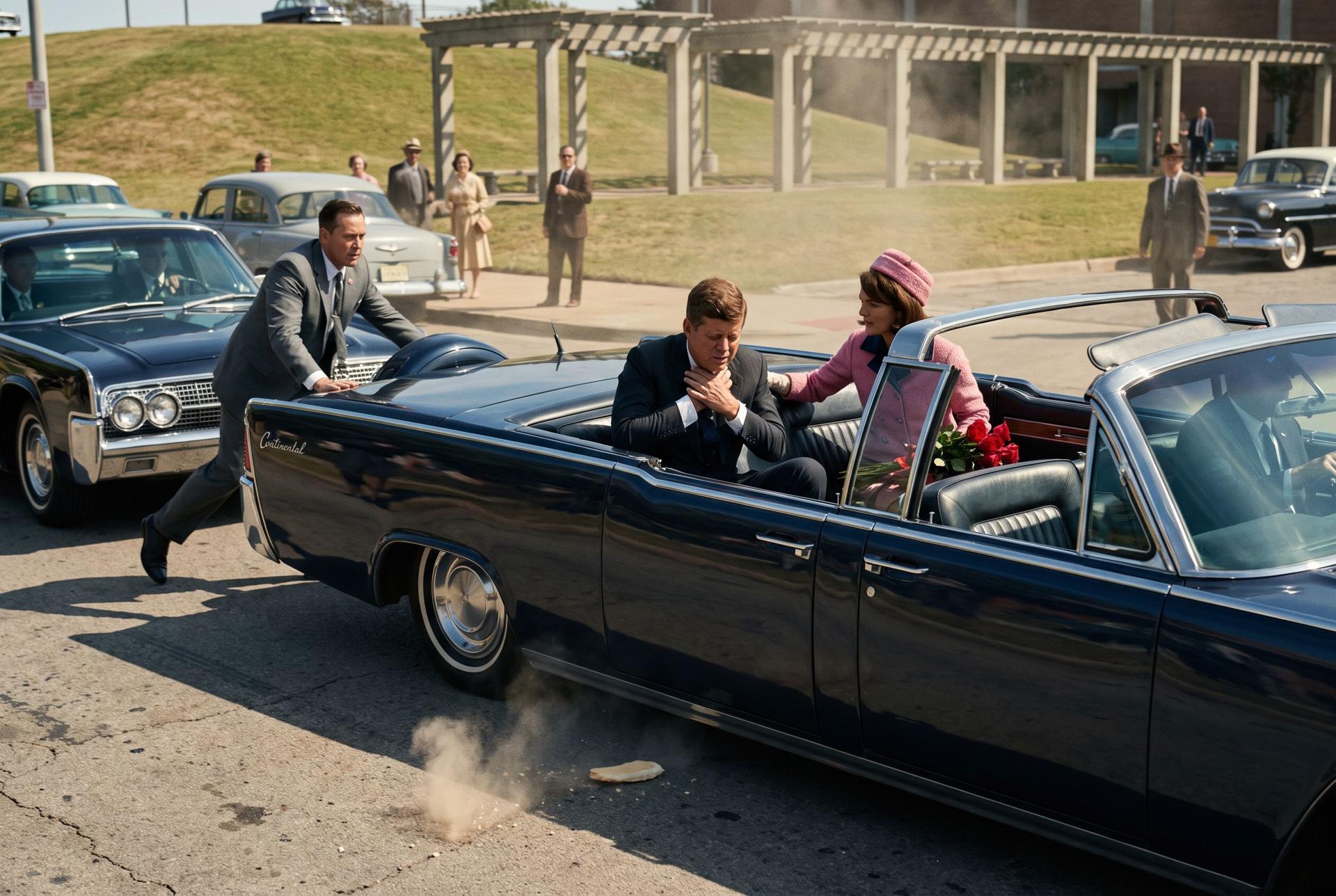
TWISTS OF CHANCE · 22 NOV 1963 · DALLAS
A clear noon in Dallas
Dallas, half past noon on 22 November 1963. The sky has cleared, the top is off the open car, and a rifle in a sixth-floor window has already fired twice. This is the timeline where the third shot goes wide.
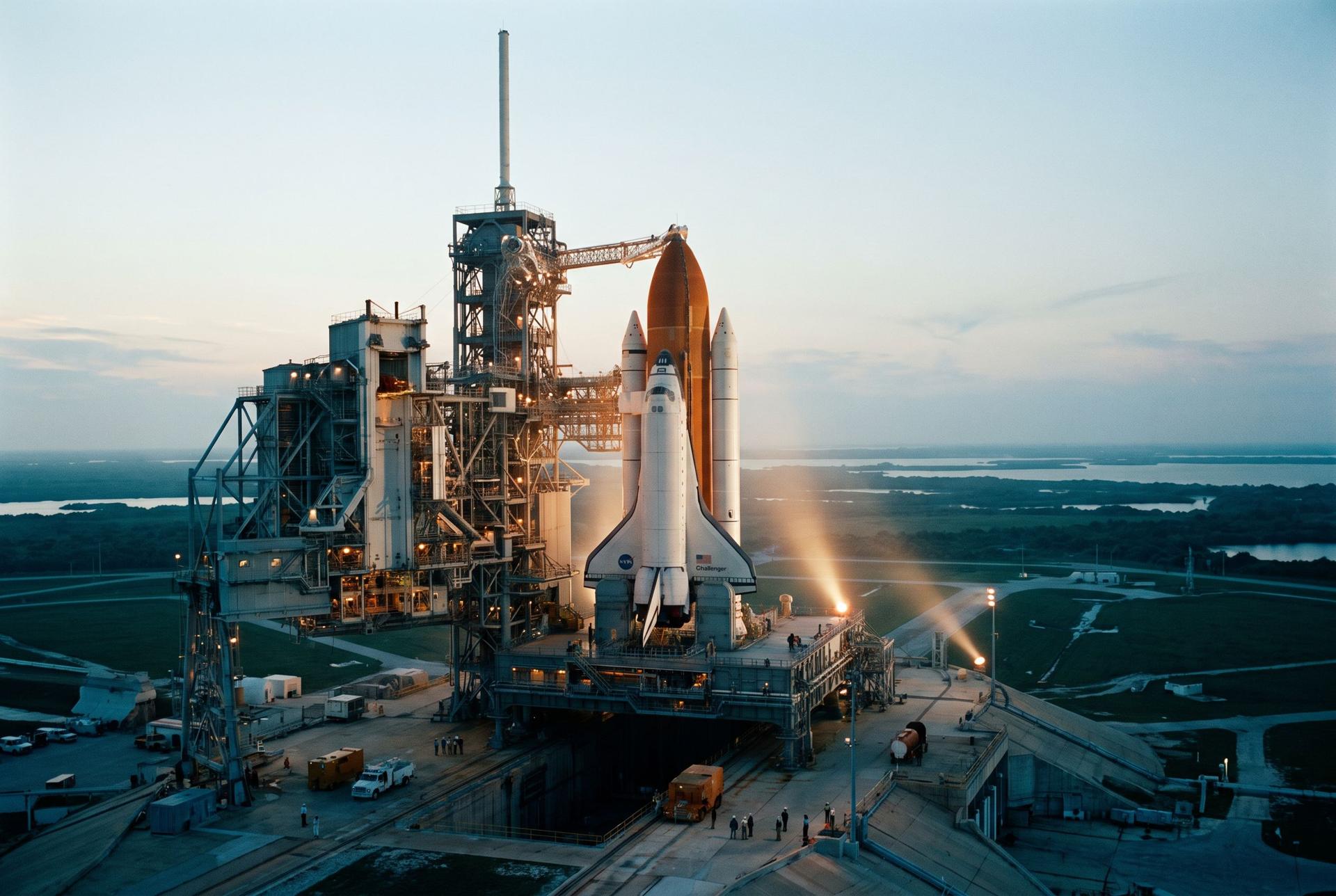
TWISTS OF CHANCE · 28 JAN 1986 · CAPE CANAVERAL
Seventy-three seconds, and climbing
The coldest launch morning the program had ever known, 28 January 1986: ice on the gantry, and an overruled warning that the booster seals could fail in the cold. In our timeline the seal failed seventy-three seconds after liftoff. This is the timeline where the cold front stalls to the north, the rings stay soft, and Challenger climbs on.
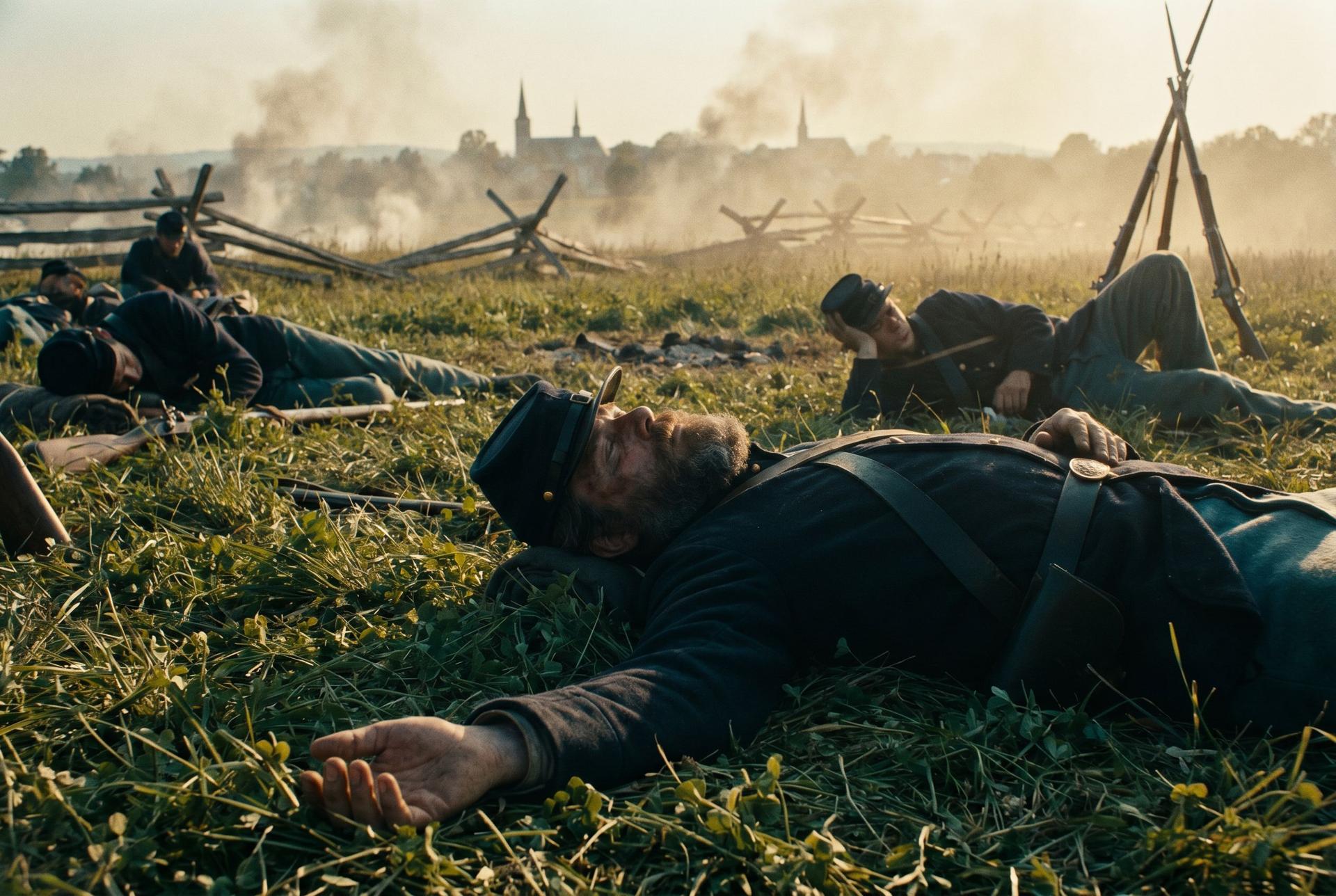
TWISTS OF CHANCE · 13 SEP 1862 · FREDERICK, MARYLAND
The lost order stays lost
On 13 September 1862 two Union soldiers resting in a Maryland meadow found Robert E. Lee’s entire campaign plan wrapped around three cigars, and the road to Antietam and emancipation ran through that clover. This is the timeline where the courier drops nothing.

TWISTS OF CHANCE · 9 NOV 1989 · EAST BERLIN
The wall stays up
On the evening of 9 November 1989, a tired East German spokesman was handed a note about new travel rules he had not read, and answered a question wrong. The Berlin Wall opened that night by mistake. This is the timeline where he says he will have to check.
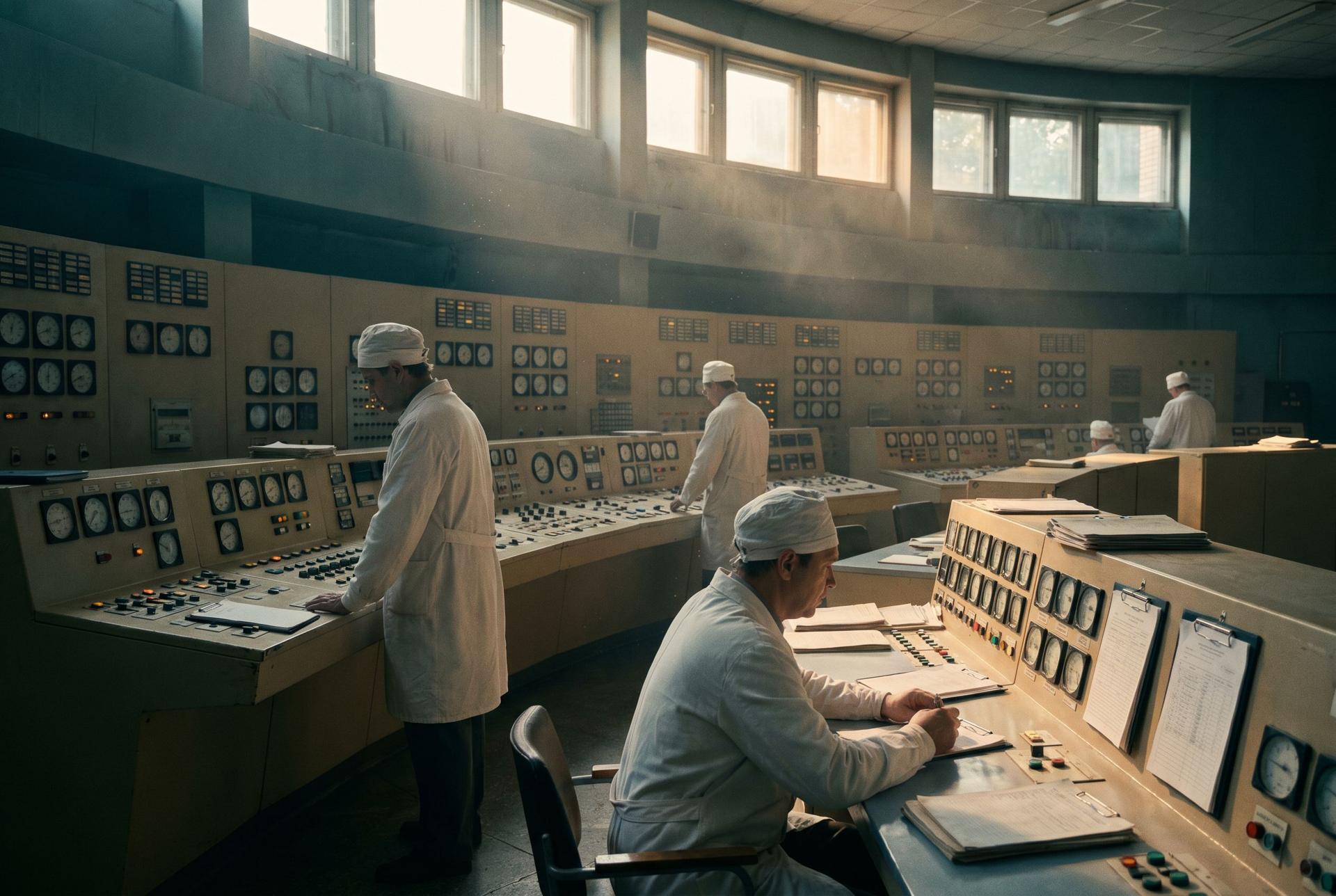
TWISTS OF CHANCE · 25 APR 1986 · PRIPYAT, SOVIET UKRAINE
The reactor that never burned
Friday, 25 April 1986. Reactor four at Chernobyl is scheduled to run a routine safety test that afternoon, with the day shift that rehearsed it. In our timeline a grid controller in Kyiv phoned to say hold the test nine hours, and it ran after midnight instead, on a poisoned reactor, with a crew that had never seen it. This is the timeline where the phone stays quiet.

TWISTS OF CHANCE · DEC 1241 · THE FROZEN DANUBE
The khan lives one more winter
December 1241. The Mongol war machine has annihilated the armies of Poland and Hungary in a single week and stands on the frozen Danube, aimed at Vienna. Four thousand miles east, the Great Khan Ögedei drinks himself to death in a single night, and the horde turns home to choose his successor. This is the timeline where the cup is set down.
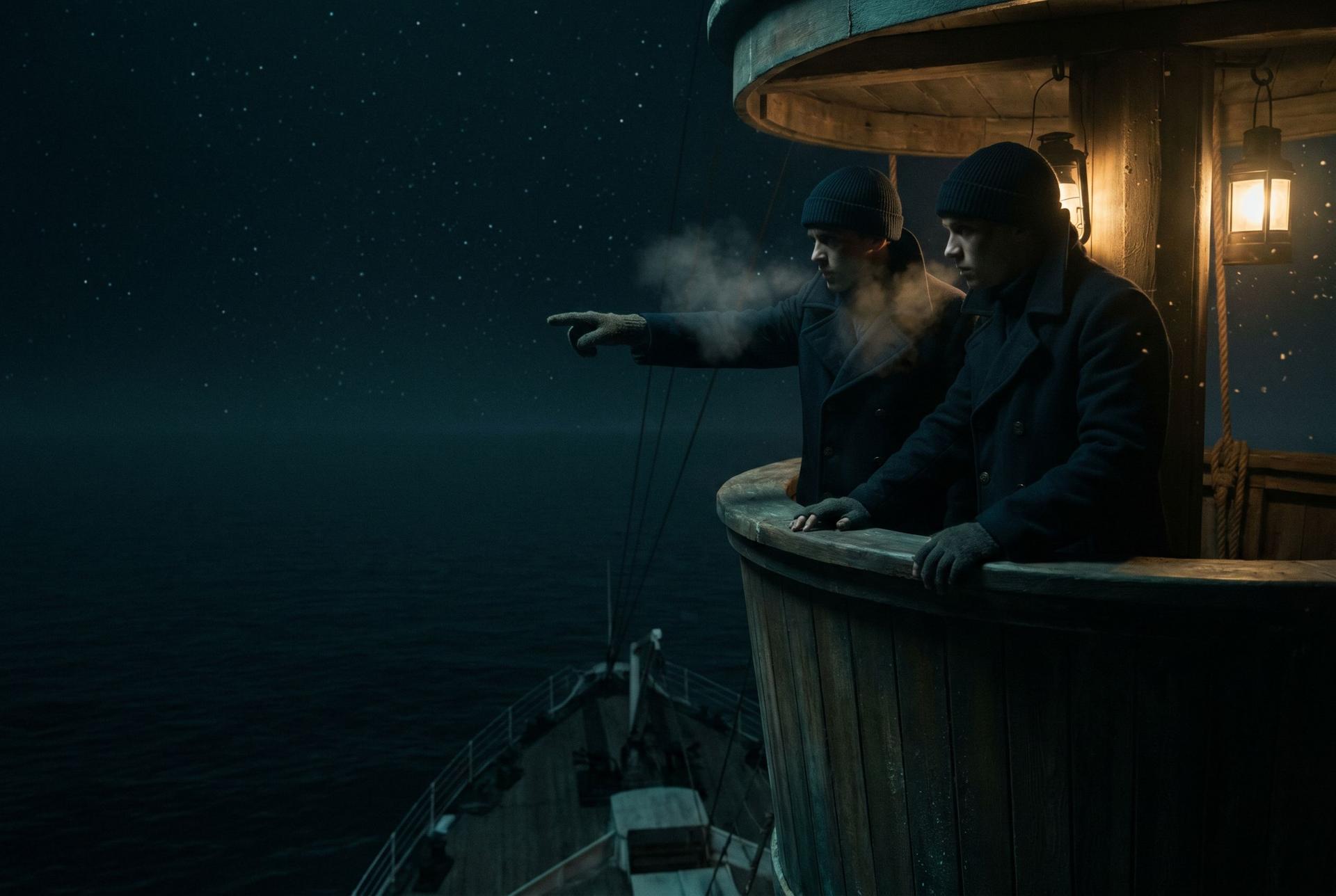
TWISTS OF CHANCE · 14 APR 1912 · THE NORTH ATLANTIC
Thirty seconds on the crow's nest
A flat calm, moonless night in the North Atlantic, 14 April 1912. Two lookouts with no binoculars are watching for ice from the crow’s nest of the largest ship ever built. In our timeline the iceberg came out of the haze with thirty-seven seconds to spare. This is the timeline where the haze thinned half a minute earlier.

TWISTS OF CHANCE · 3 SEP 1928 · ST MARY'S, LONDON
The mold that was wiped away
3 September 1928. Alexander Fleming comes back from holiday to a cluttered London lab, and in our timeline one contaminated dish on that bench becomes penicillin. This is the timeline where he tidied up before he left.
Discoveries & Inventions
11Knowledge arrives early, late, or never.
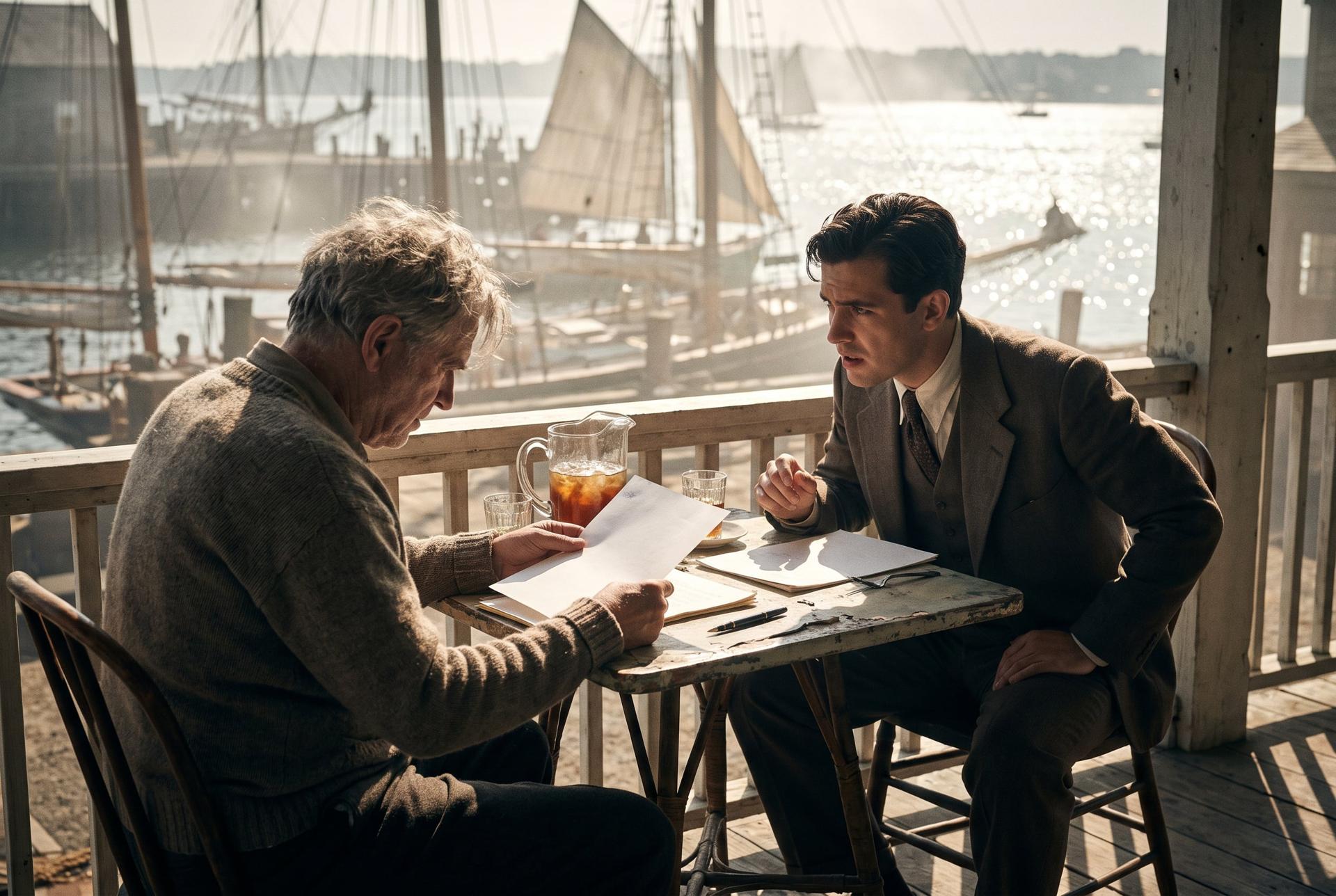
DISCOVERIES & INVENTIONS · AUG 1939 · LONG ISLAND
The letter stays in the drawer
Long Island, August 1939. Leo Szilard has drafted a warning to the President about atomic bombs, and needs the one signature every American knows. This is the timeline where Einstein declines to sign.

DISCOVERIES & INVENTIONS · AUG 1684 · CAMBRIDGE
The apple misses Newton
London, January 1684. Three men in a coffee house set a wager that will send Edmond Halley riding to Cambridge, where a reclusive professor has the answer in a drawer. This is the timeline where the ride is never made.

DISCOVERIES & INVENTIONS · 30 APR 1993 · GENEVA
The web stays in the lab
Geneva, 30 April 1993. A one-page declaration waits on a desk at CERN, releasing the World Wide Web to everyone, forever, for nothing. This is the timeline where it is never signed.

DISCOVERIES & INVENTIONS · 10 NOV 1977 · BOCA RATON
The chairman uncrosses his arms
November 1977, a Xerox sales conference in Boca Raton. On a mock office set flown in on two chartered jets, the company's Palo Alto laboratory demonstrates the personal computer it has already built: the screen, the mouse, the network, the laser printer. The executives cross their arms. This is the timeline where their chairman does not.

DISCOVERIES & INVENTIONS · 1965 · THE PUNJAB
The seed in the dry year
In 1965 two failed monsoons and a rising population set India and Pakistan on course for the famine Paul Ehrlich would soon call unstoppable. Norman Borlaug's dwarf Mexican wheat reached them late and half dead, and was sown by hand as the two nations went to war. In our timeline that thin seed still came up and helped feed a subcontinent. This is the timeline where it comes up too thin to save.
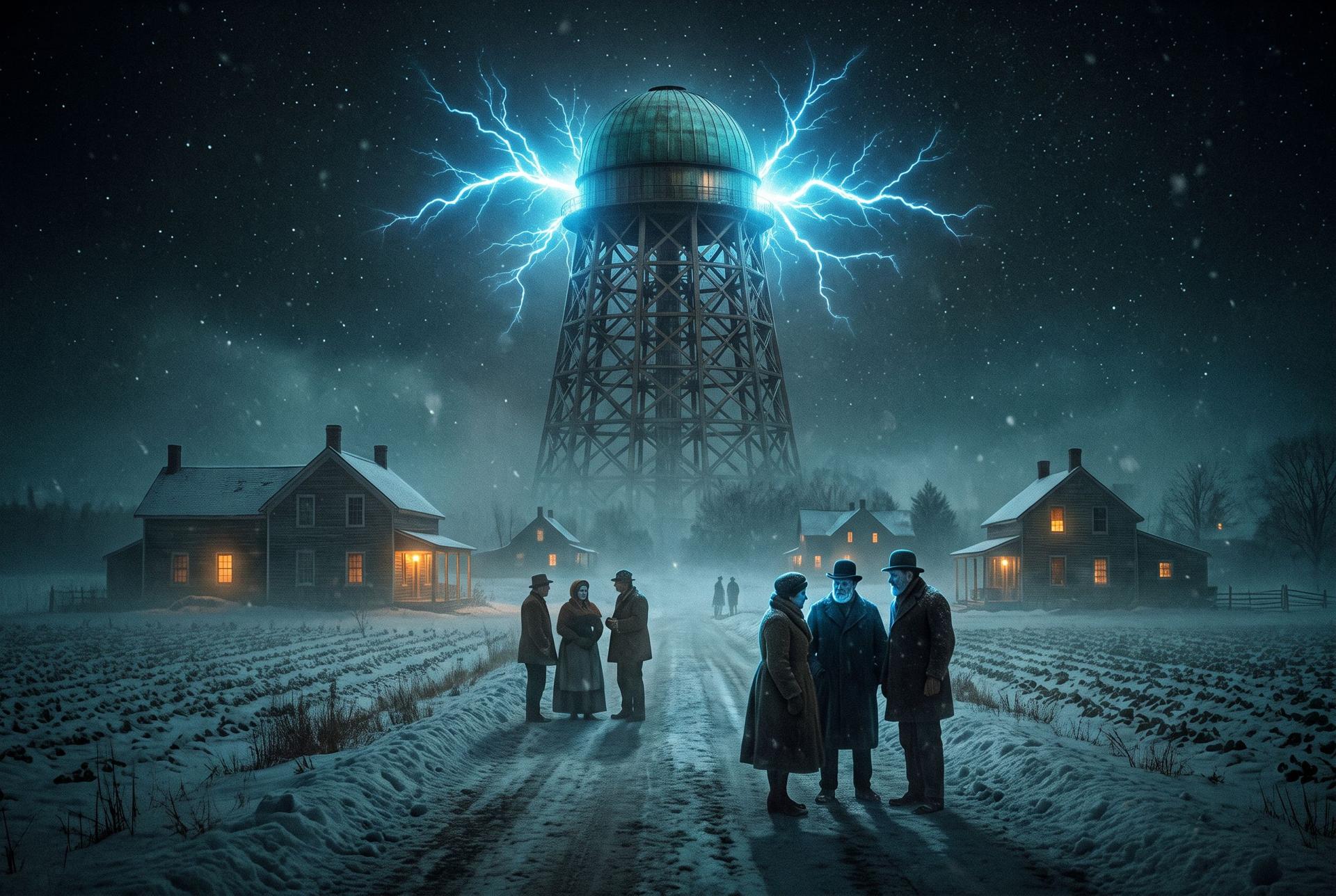
DISCOVERIES & INVENTIONS · 1901 · LONG ISLAND
The tower that lit the coast
1901, Long Island. J.P. Morgan's money is raising Nikola Tesla a tower meant to send words and power through the earth to all of it at once. In our timeline the checks stopped, the tower was dynamited for scrap, and Tesla died in a rented room. This is the timeline where Morgan signs one more check, and one winter night the copper dome answers.

DISCOVERIES & INVENTIONS · 1847 · VIENNA
The doctors wash their hands
May 1847, the maternity wards of the Vienna General Hospital. A young doctor named Ignaz Semmelweis has proved that a basin of chlorinated lime at the ward door cuts childbed-fever deaths from nearly one mother in five to almost none. In our timeline the profession mocked him and let him die unheard. This is the timeline where Vienna believes the basin.

DISCOVERIES & INVENTIONS · 1258 · BAGHDAD
The ink stays in the books
1258, and the Mongol army of Hulagu Khan stands at the walls of Baghdad, seat of the caliphs and keeper of the richest libraries of the medieval world. This is the timeline where the caliph opens the gates in time, and the books are never poured into the Tigris.
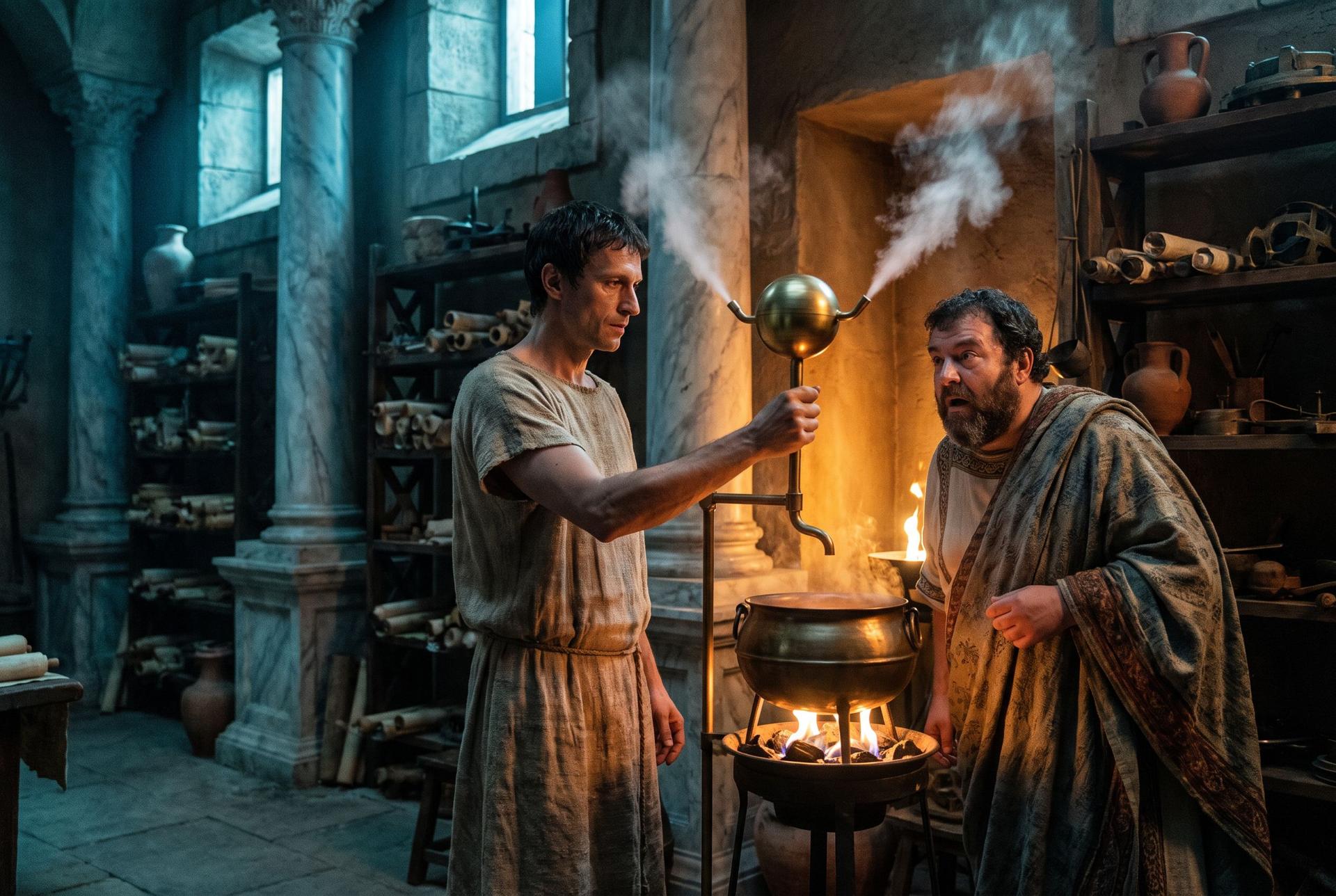
DISCOVERIES & INVENTIONS · AD 62 · ALEXANDRIA
The engine in the temple
AD 62, the Museum of Alexandria. Heron the engineer builds a brass sphere that spins on steam, and the age keeps it as a temple wonder and a rich man's toy. Grain is ground by slaves, and no one asks the sphere to work. This is the timeline where a grain merchant asks, and pays to find out.
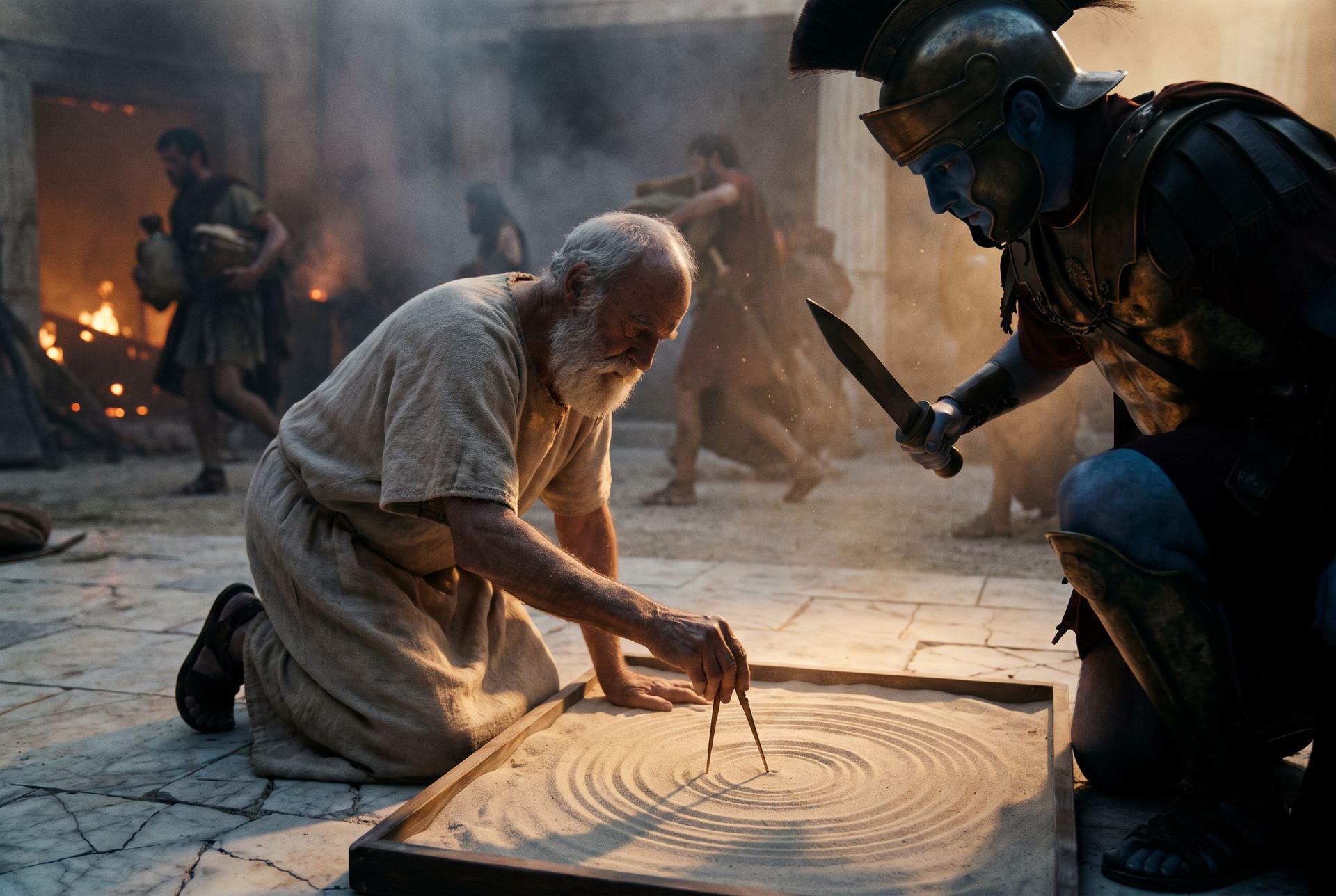
DISCOVERIES & INVENTIONS · 212 BC · SYRACUSE
The circles are not disturbed
The autumn of 212 BC, the sack of Syracuse. The Roman general Marcellus has ordered that the geometer Archimedes be taken alive, and a soldier has found him bent over circles drawn in the sand. In our timeline the soldier killed him anyway. This is the timeline where the order is obeyed and the circles are left undisturbed.
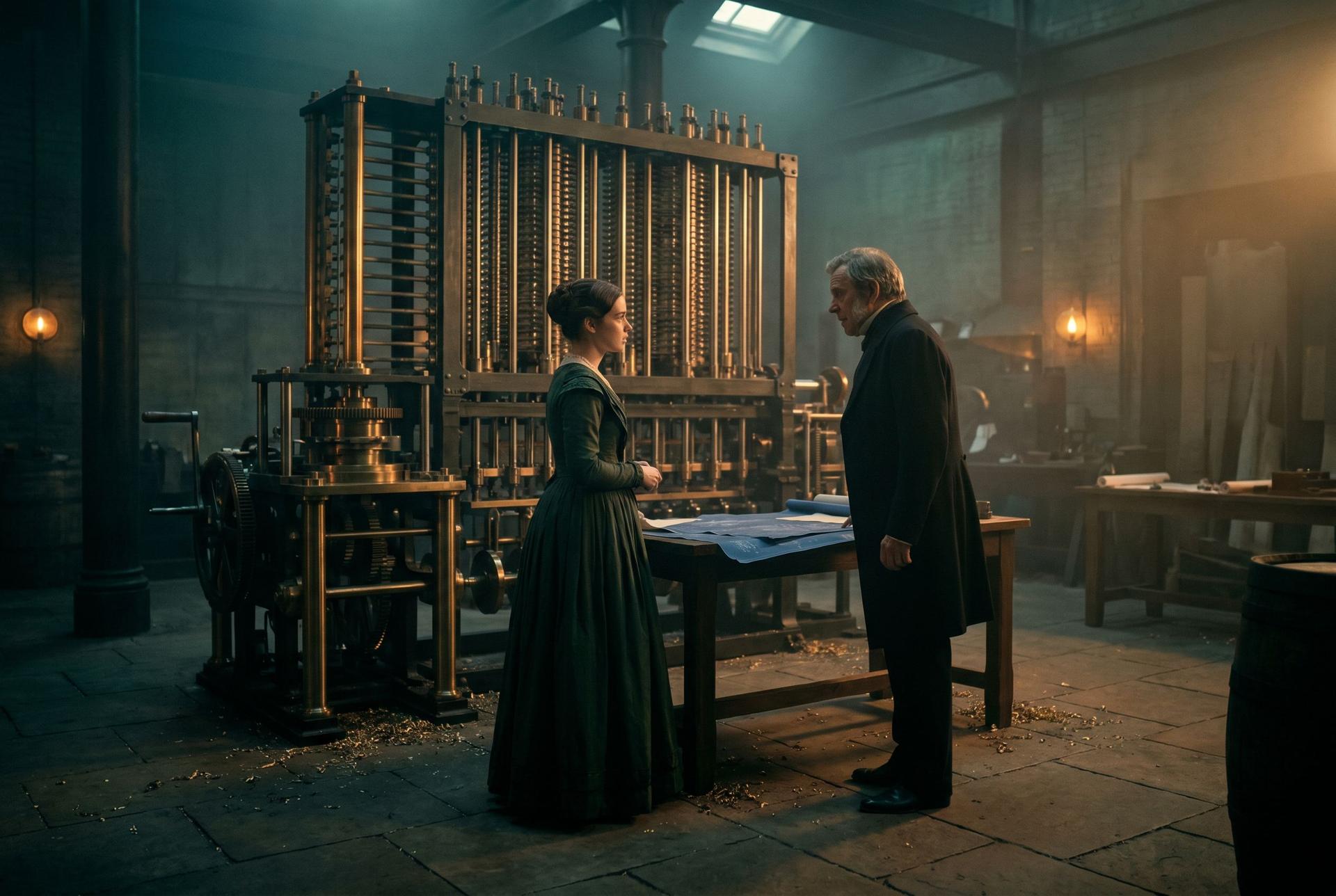
DISCOVERIES & INVENTIONS · 1843 · LONDON
Ada Lovelace boots the first computer, 1843
In 1843 Ada Lovelace published the first program ever written — for a machine that existed only on paper, because Parliament would not pay for it. This is the timeline where the Treasury said yes, and the computer age began ninety years early, in brass.
Forces of Nature
8Nature bends: the mountain, the storm, the stone from space.

FORCES OF NATURE · 23 JUL 2012 · EARTH
Nine days early
In July 2012 the Sun threw off the most violent storm of the space age, a Carrington-class cloud that crossed Earth's orbit and found the planet nine days gone from the spot. This is the timeline where it came nine days early, and a wired civilization was standing in its path.
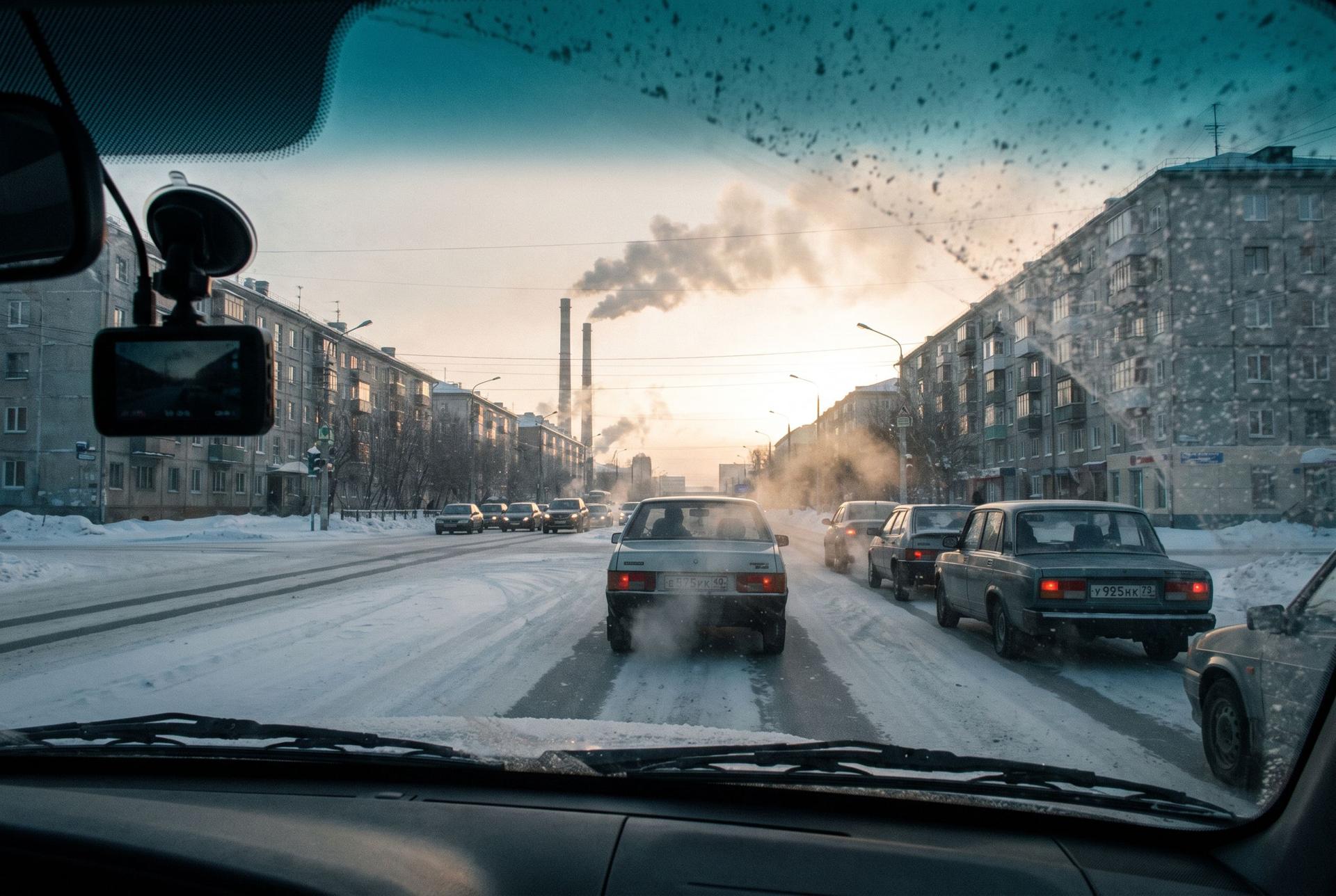
FORCES OF NATURE · 15 FEB 2013 · CHELYABINSK
The stone the sun hid
15 February 2013, a Friday morning over the southern Urals. In our timeline a twenty-meter stone burst twenty-three kilometers above Chelyabinsk, and its worst wound was broken glass, filmed on a thousand dashboards. This is the timeline where the stone was three times as wide, and came in low over the city.
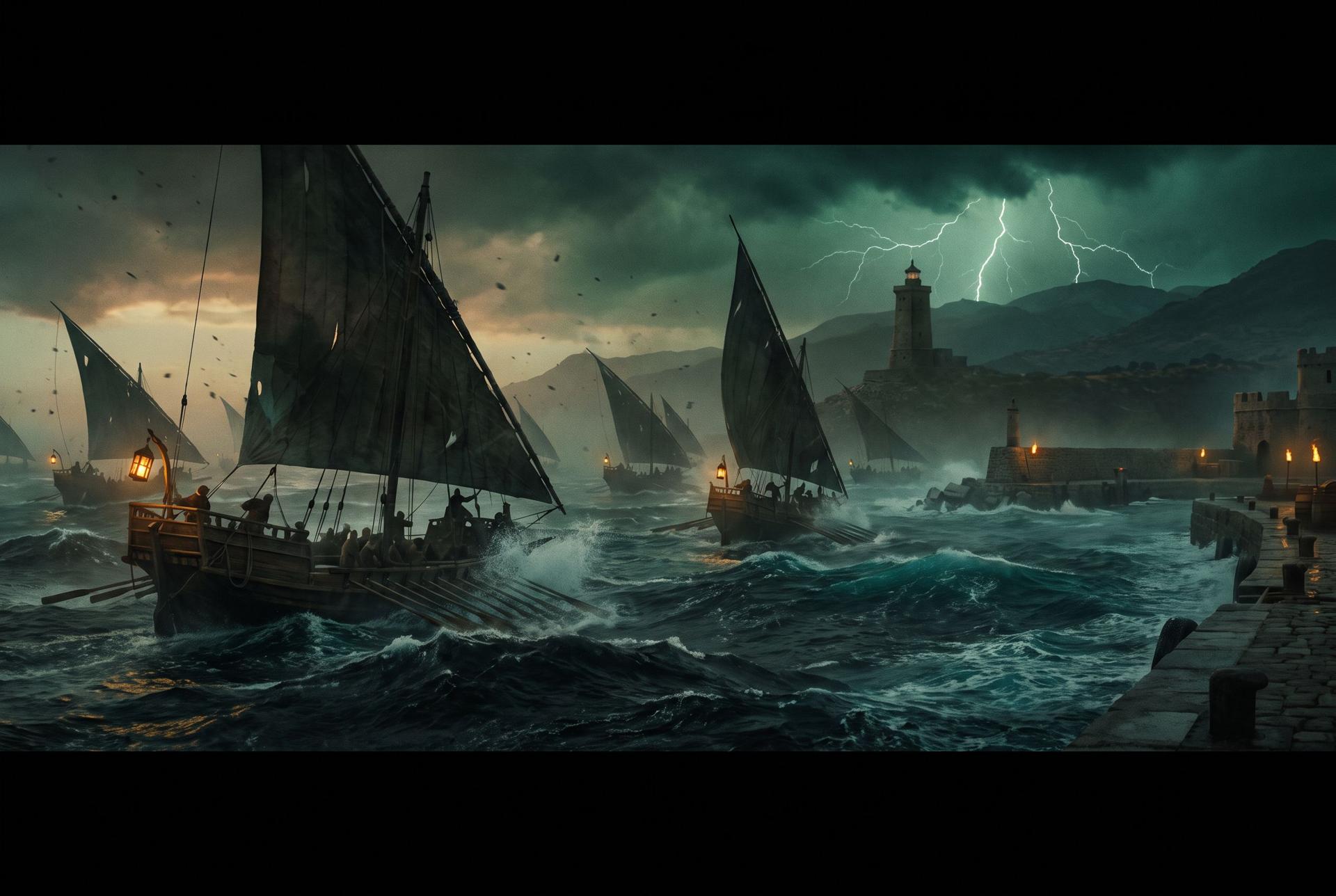
FORCES OF NATURE · 1347 · MESSINA
The galleys never dock
In October 1347, twelve Genoese galleys carry the Black Death west toward the harbor of Messina, the first door by which the plague enters Europe. This is the timeline where an autumn storm takes the ships before they can dock.
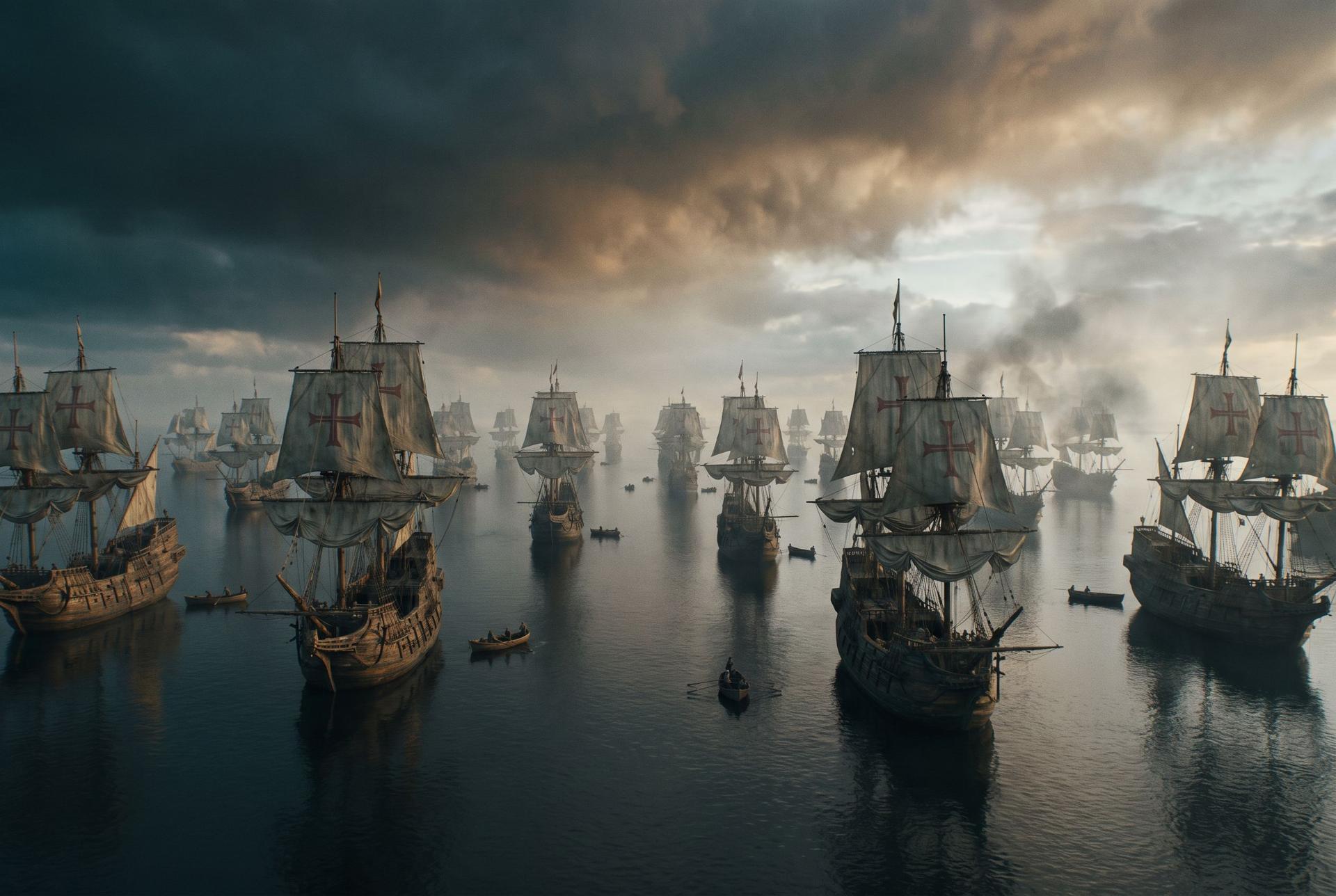
FORCES OF NATURE · 1588 · THE ENGLISH CHANNEL
The Protestant wind never blows
August 1588. The Spanish Armada, mauled off Gravelines and saved from the Flemish shoals, is about to be driven north into the storms England will thank God for and name the Protestant wind. This is the timeline where the wind lies down instead, and a flat calm settles over the barges of Parma's waiting army.
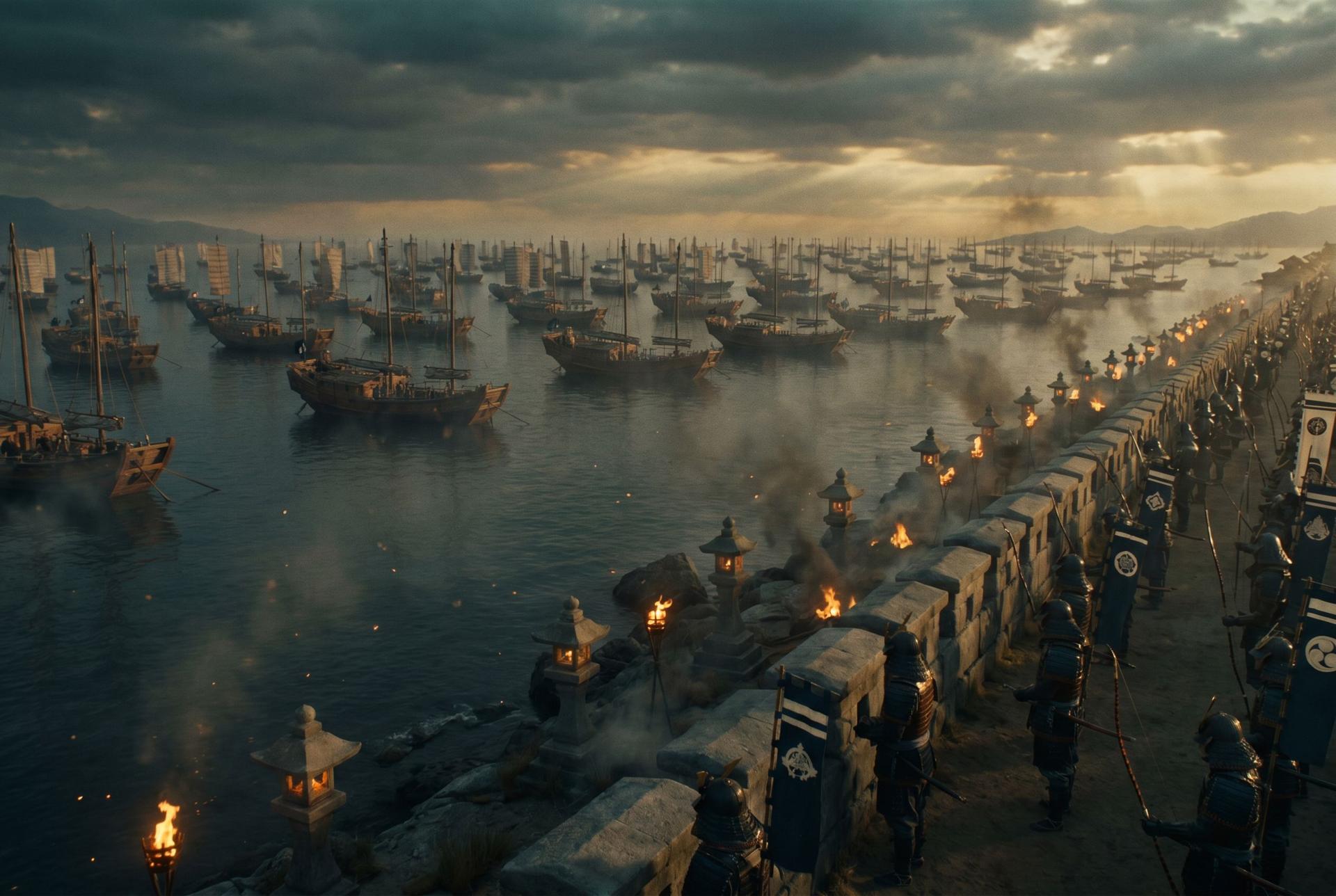
FORCES OF NATURE · AUG 1281 · HAKATA BAY, KYUSHU
The kamikaze never blows
In August 1281 the largest invasion fleet the world had yet built lay off the Japanese coast, held at the beach by a stone wall, until a typhoon destroyed it and was named the divine wind. This is the timeline where the storm passes north.
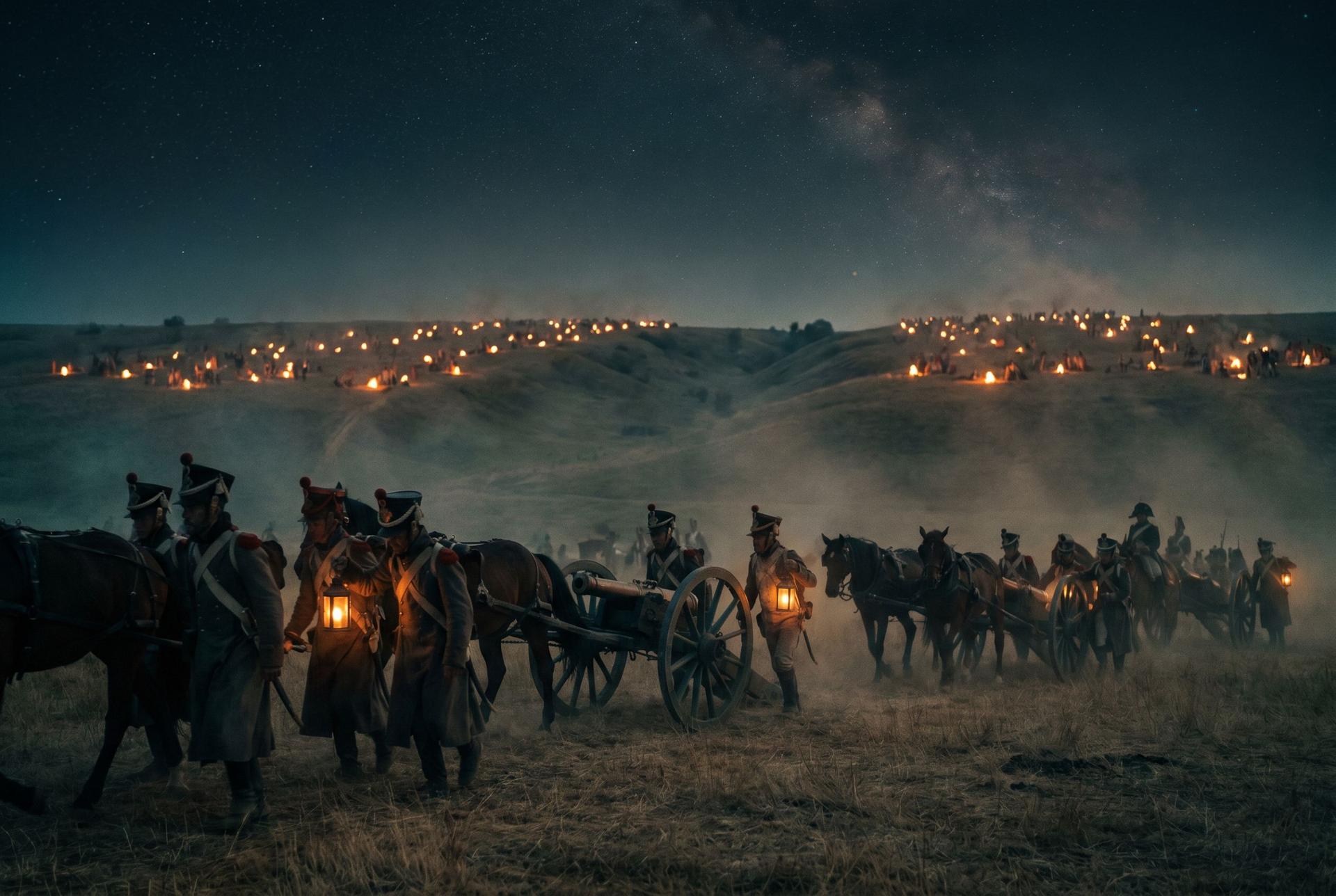
FORCES OF NATURE · 18 JUN 1815 · WATERLOO, BELGIUM
The dry morning at Waterloo
On the night of 17 June 1815 a thunderstorm drowned the fields of Belgium, and Napoleon spent the next morning waiting for the ground to dry while his last battle shrank from a day to an afternoon. In our timeline the Prussians arrived before he was finished. This is the timeline where the storm slides east and the guns open at first light.
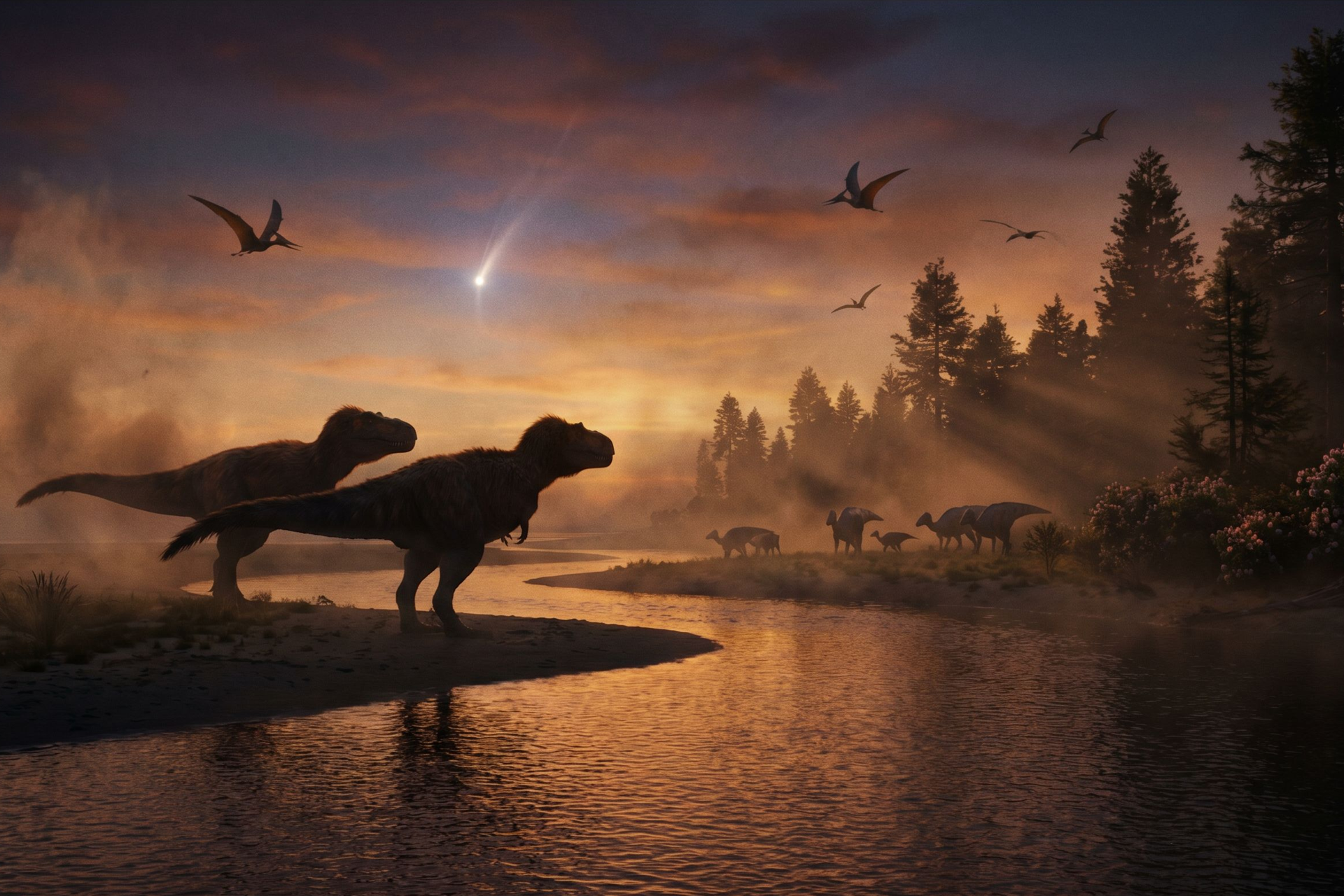
FORCES OF NATURE · 66,000,000 YEARS AGO · THE PROTO-GULF OF MEXICO
The asteroid misses by an hour
Sixty-six million years ago, a rock ten kilometres wide crossed Earth’s orbit at the exact wrong moment, and the age of giants ended in an afternoon. This is the timeline where it crossed one hour early — and the age of giants never ended at all.
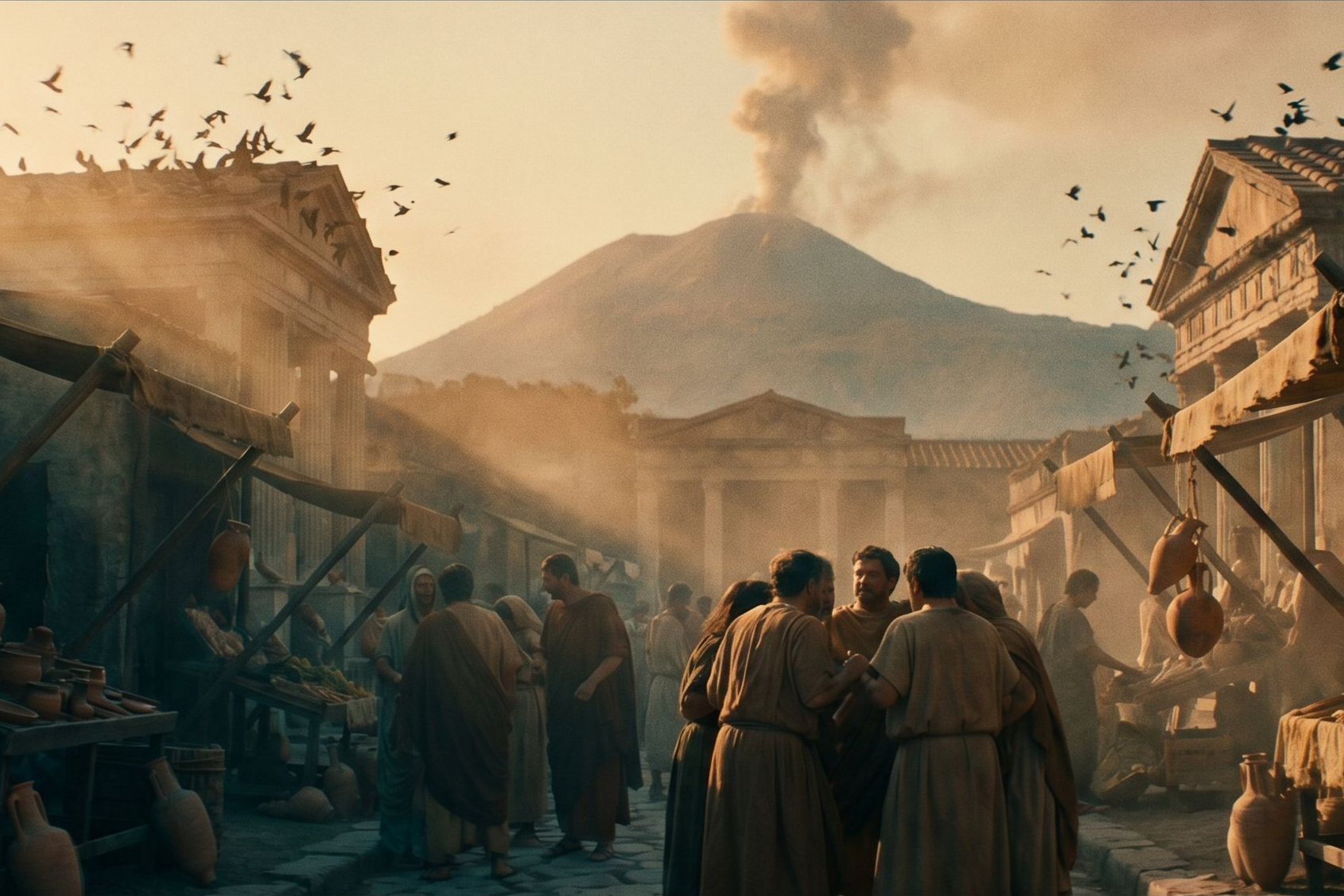
FORCES OF NATURE · AD 79 · THE BAY OF NAPLES
Pompeii is evacuated before Vesuvius
AD 79. For days the wells have been failing and the ground has been shivering, and Pompeii has learned to ignore both. In our timeline the town was still full when the sky came down. This is the timeline where somebody read the warnings out loud.
Voyages Beyond
10A journey goes further than it did.
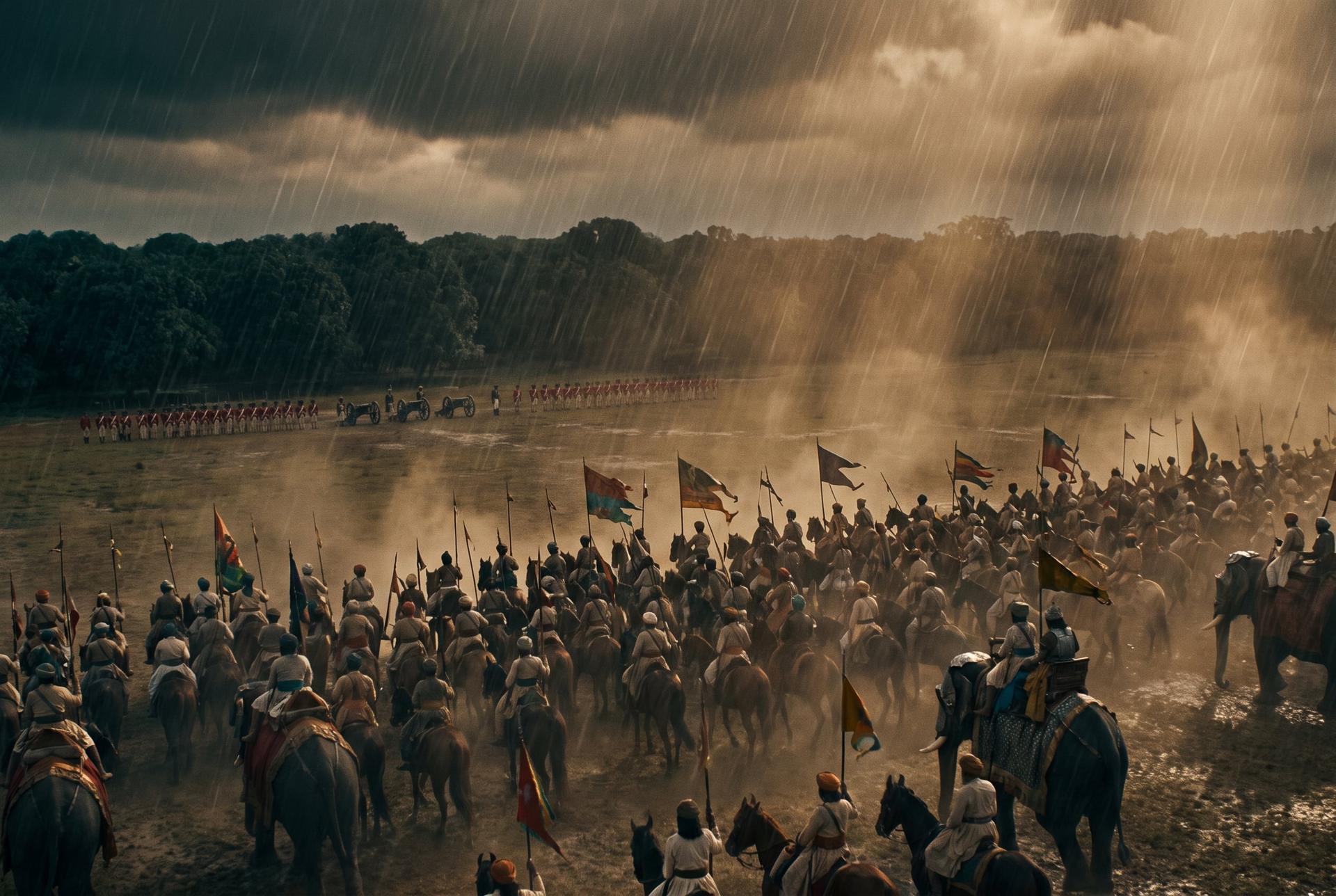
VOYAGES BEYOND · 23 JUN 1757 · PLASSEY
Plassey stays loyal
Bengal, 23 June 1757. Half the Nawab's army is standing still under a bought general, waiting out the battle that will hand India to a trading company. This is the timeline where the general keeps his faith.
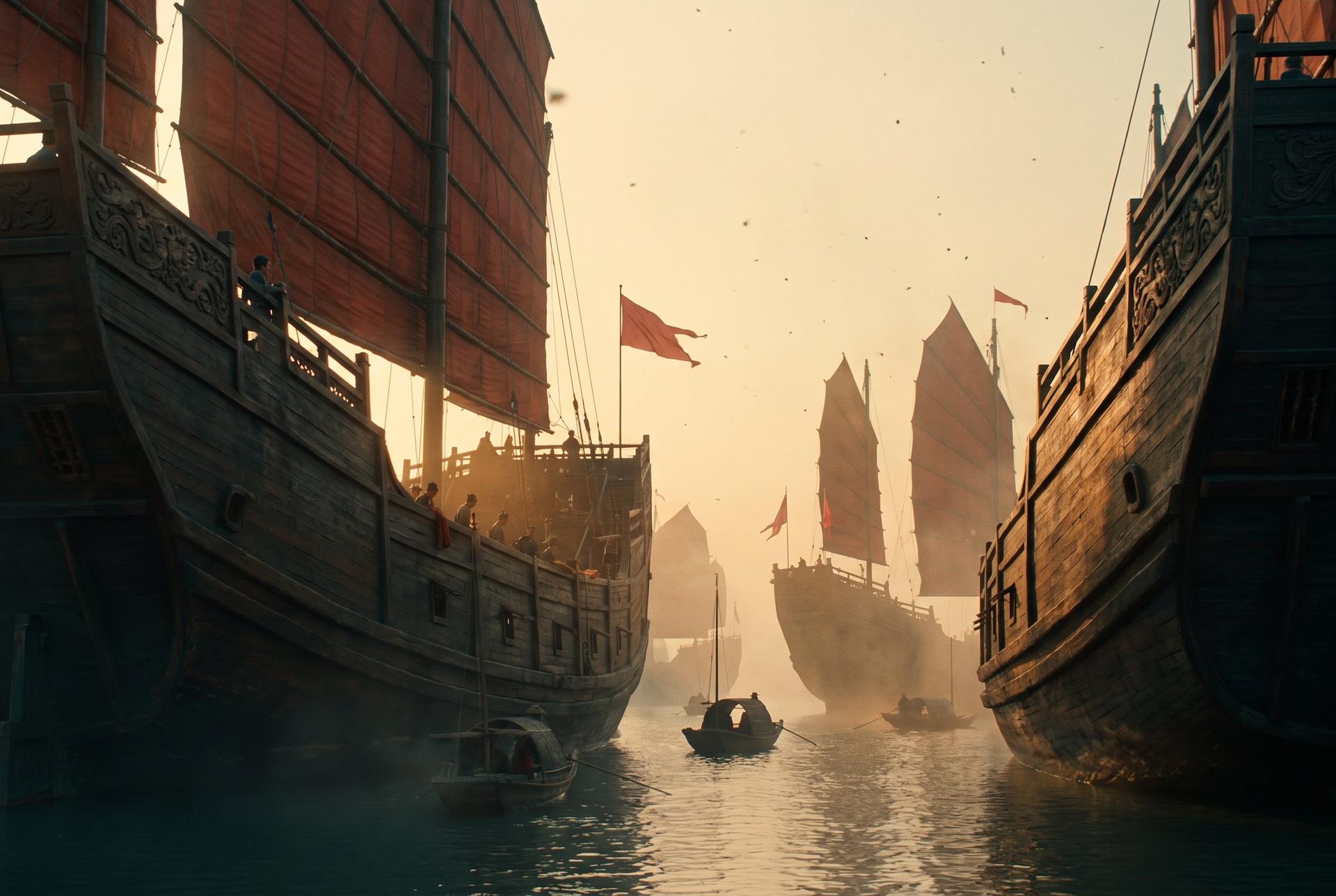
VOYAGES BEYOND · 1436 · BEIJING
The treasure fleet sails on
Beijing, 1436. A boy emperor's ministers are drafting the edict that will end China's ocean voyages forever. This is the timeline where the edict is never issued, and the great fleet keeps the sea.

VOYAGES BEYOND · 1968 · THE SEA OF TRANQUILITY
The Chief Designer lives
14 January 1966, a Moscow operating theatre. The anonymous genius the Soviets call only the Chief Designer is bleeding to death under a surgeon's hands. This is the timeline where the bleeding stops.
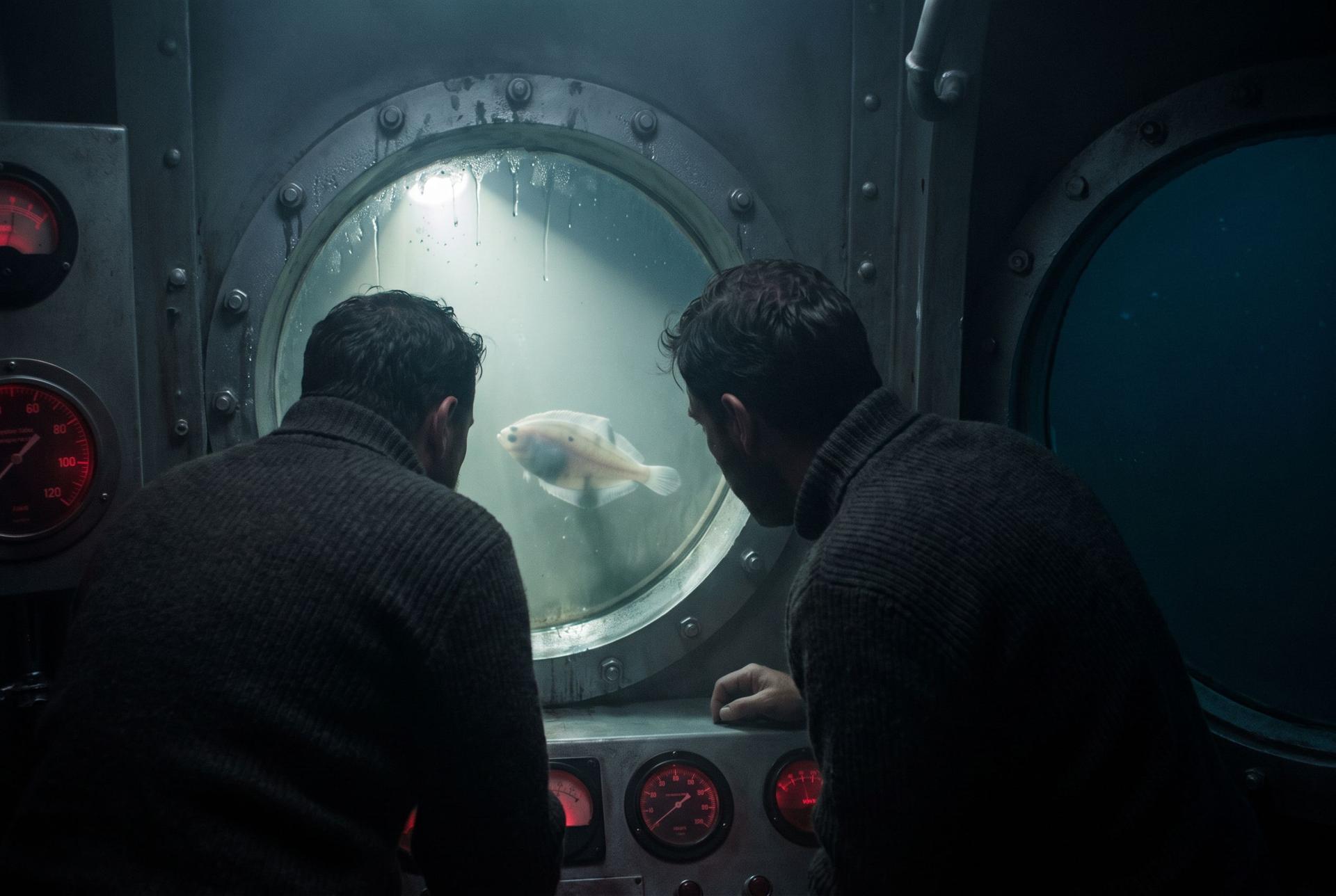
VOYAGES BEYOND · 23 JAN 1960 · THE CHALLENGER DEEP
The lamp at the bottom of the world
On 23 January 1960 two men in a steel sphere reached the deepest point on Earth, and then the age turned its back on the sea and reached for the Moon instead. This is the timeline where the century chose to go down.
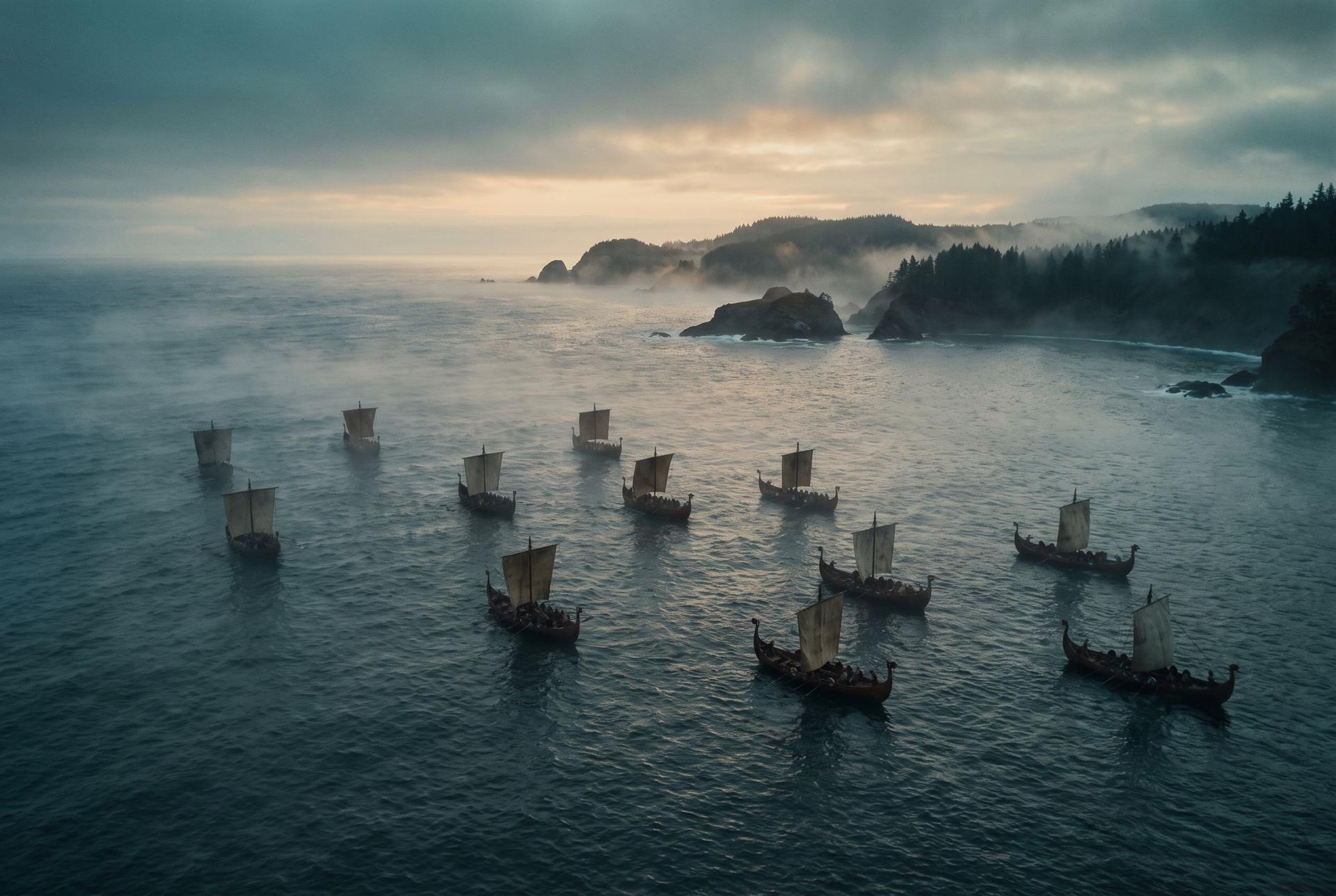
VOYAGES BEYOND · 1021 · VINLAND
The second fleet sails with families
Around the year 1000, Norse ships from Greenland reached a coast they called Vinland, the wine land, then gave it up after a few blood-soaked winters and the long distance home. In our timeline the camp at L'Anse aux Meadows lasted only a handful of years. This is the timeline where a larger second fleet arrives with families, livestock, and the patience to stay.
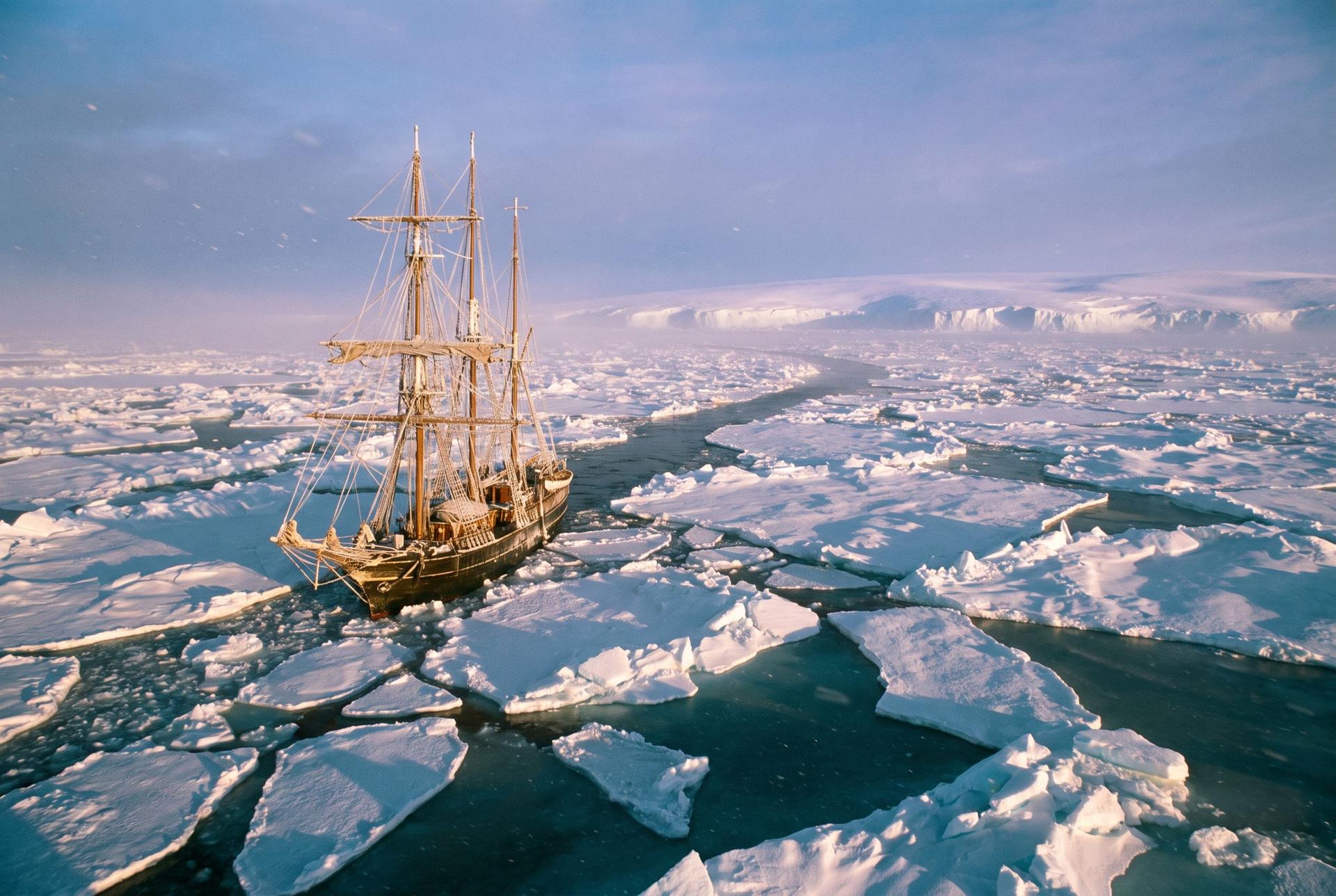
VOYAGES BEYOND · 1915 · THE WEDDELL SEA
The Endurance holds
January 1915, the Weddell Sea. Ernest Shackleton's Endurance lies a day's sail from Vahsel Bay, where the first crossing of Antarctica is to begin, when the pack ice closes to crush her. This is the timeline where a lead opens instead, and the ship goes through.
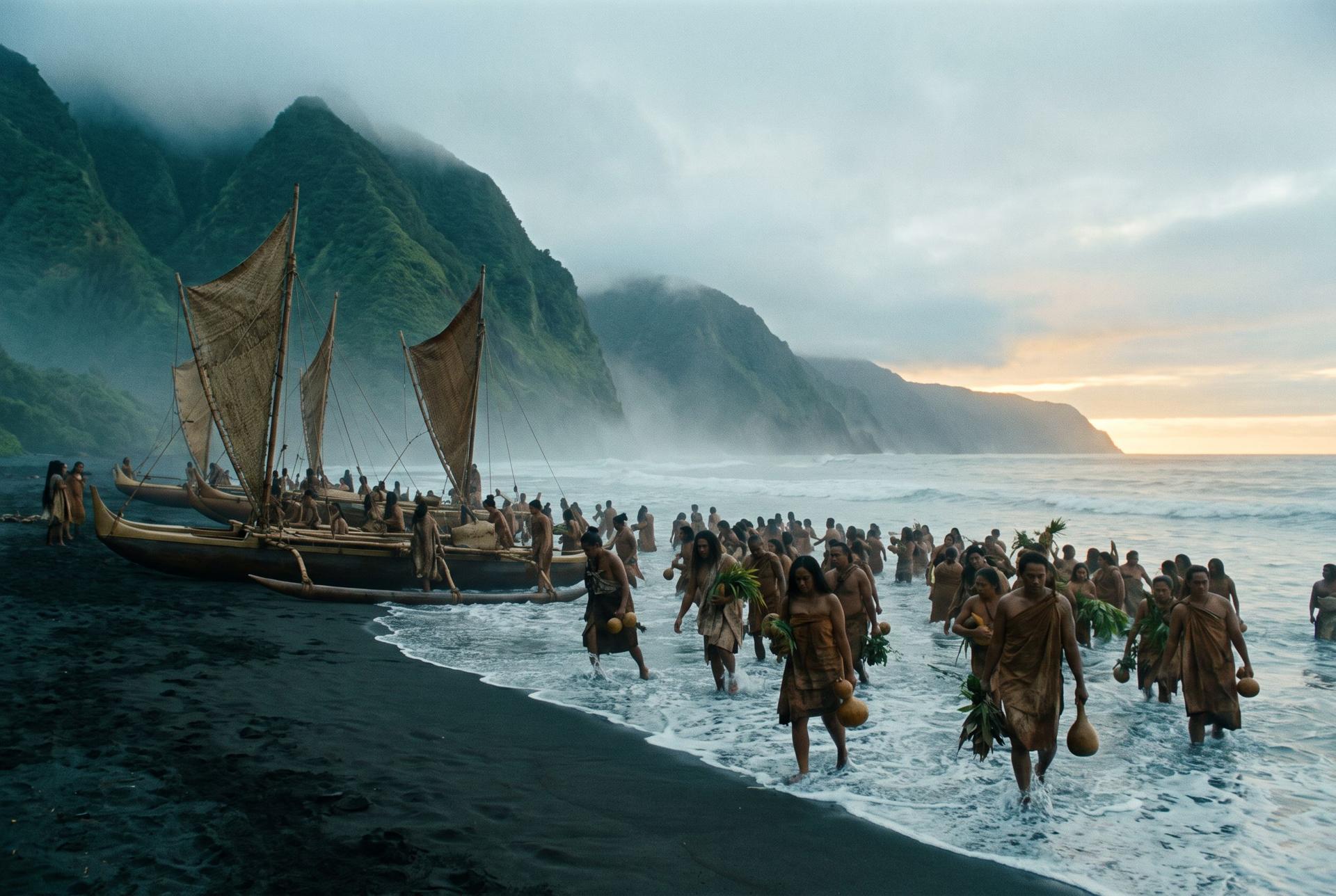
VOYAGES BEYOND · C. 1200 · THE PACIFIC COAST
The canoes make landfall
Around 1200 a Polynesian voyaging fleet, having crossed the largest ocean on Earth by star and swell, does not turn for home but settles the American Pacific coast and keeps the searoad open in both directions.
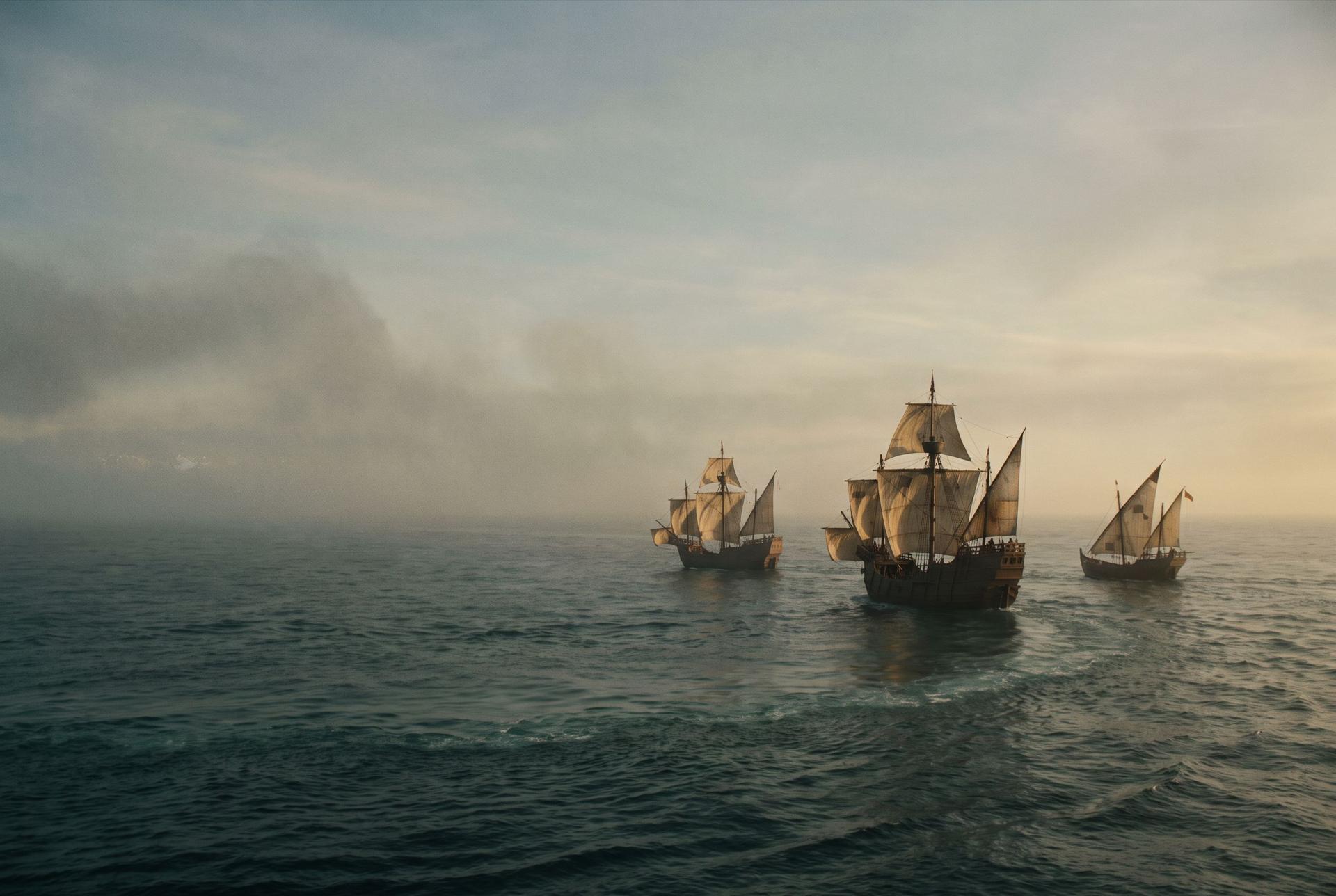
VOYAGES BEYOND · 1492 · THE OCEAN SEA
The caravels come about
October 1492, weeks past any landfall Columbus had promised, his crews near mutiny in the middle of the Ocean Sea. He had agreed to turn back if no land appeared within two or three days. This is the timeline where the deadline passed empty, and the caravels came about for Spain.
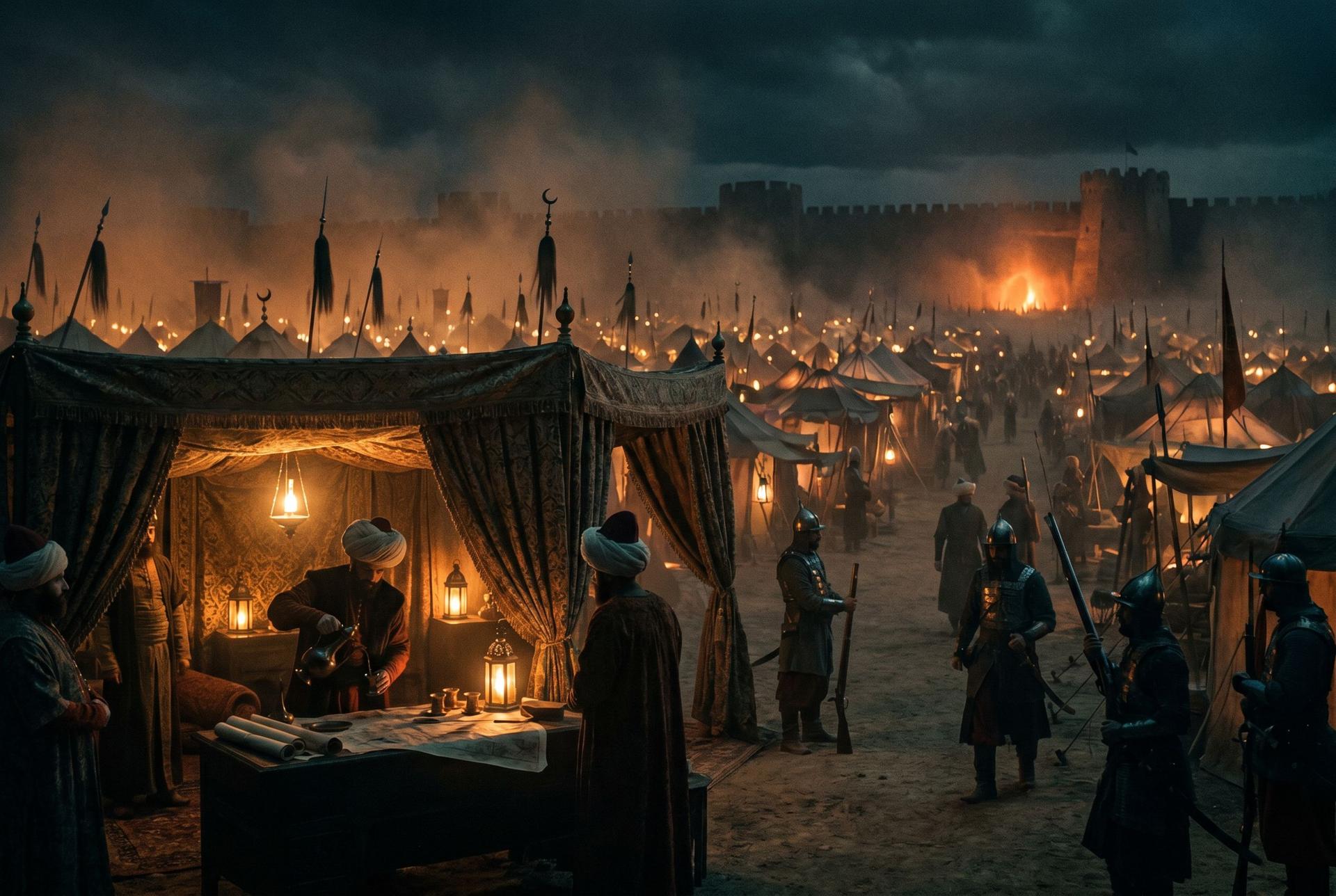
VOYAGES BEYOND · 11 SEP 1683 · VIENNA
The sultan takes Vienna
By 11 September 1683 the Ottoman mines had opened Vienna’s walls and the city had days to live; the relief army crested the hills that same morning, one march from too late. This is the timeline where the bridges at Tulln cost one more day.
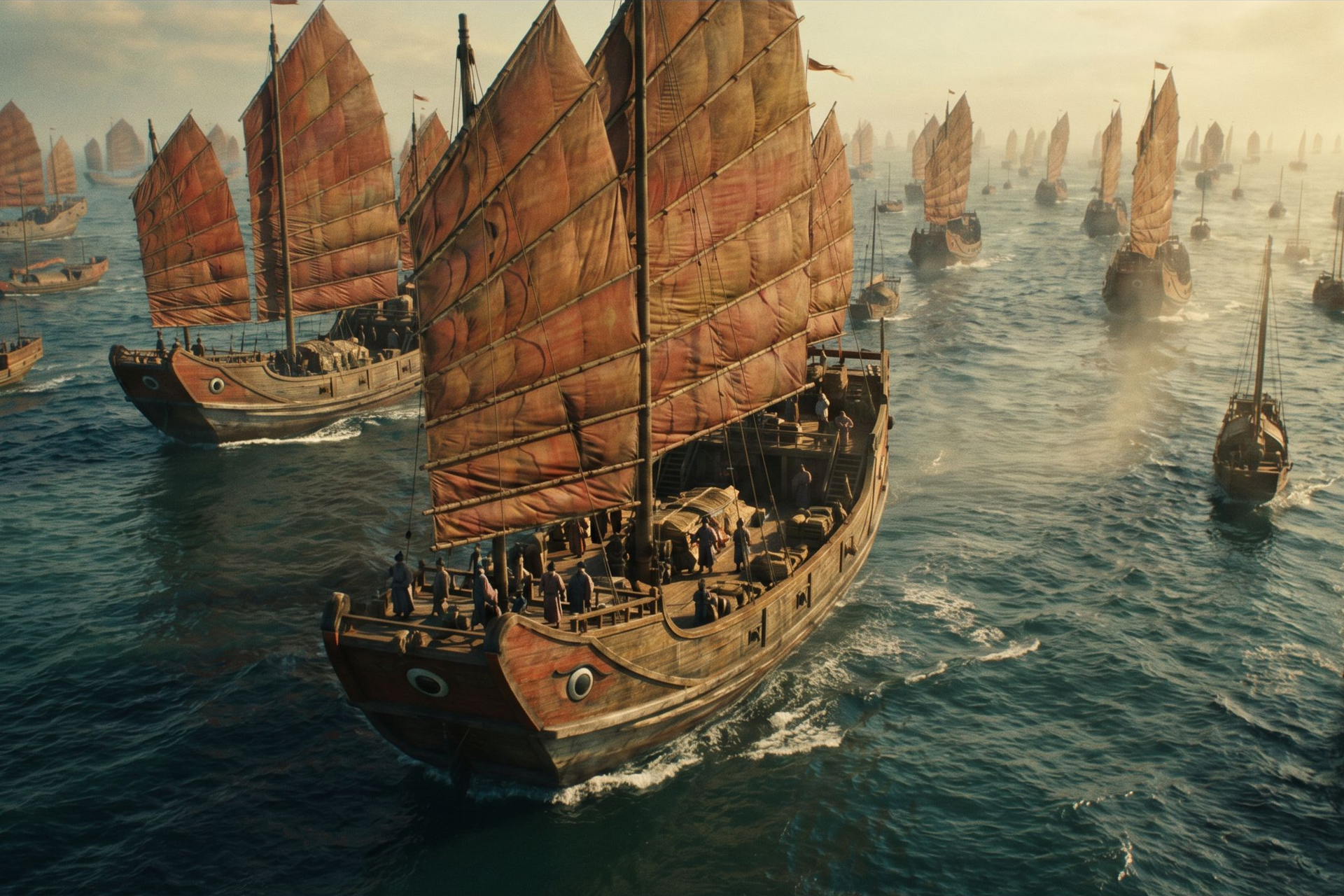
VOYAGES BEYOND · 1421 · THE UNKNOWN OCEAN
Zheng He's treasure fleet reaches the Americas
The sixth voyage, 1421. The greatest fleet on Earth stands off the coast of Africa, done with the known world, and its admiral must decide whether the ocean has another side. In our timeline the fleet turned for home, and China burned its ships within a generation. This is the timeline where it sailed on east.
Impossible Fables
12The impossible arrives. No bridge of causes leads here; the atlas keeps it anyway.

IMPOSSIBLE FABLES · 1482 · MILAN
Da Vinci's machines are built
Milan, 1482. A thirty-year-old Florentine writes the Duke a letter listing ten kinds of war machine he can build, and adds painting almost as an afterthought. This is the timeline, recorded in the fables' galaxy, where every machine in the letter works.
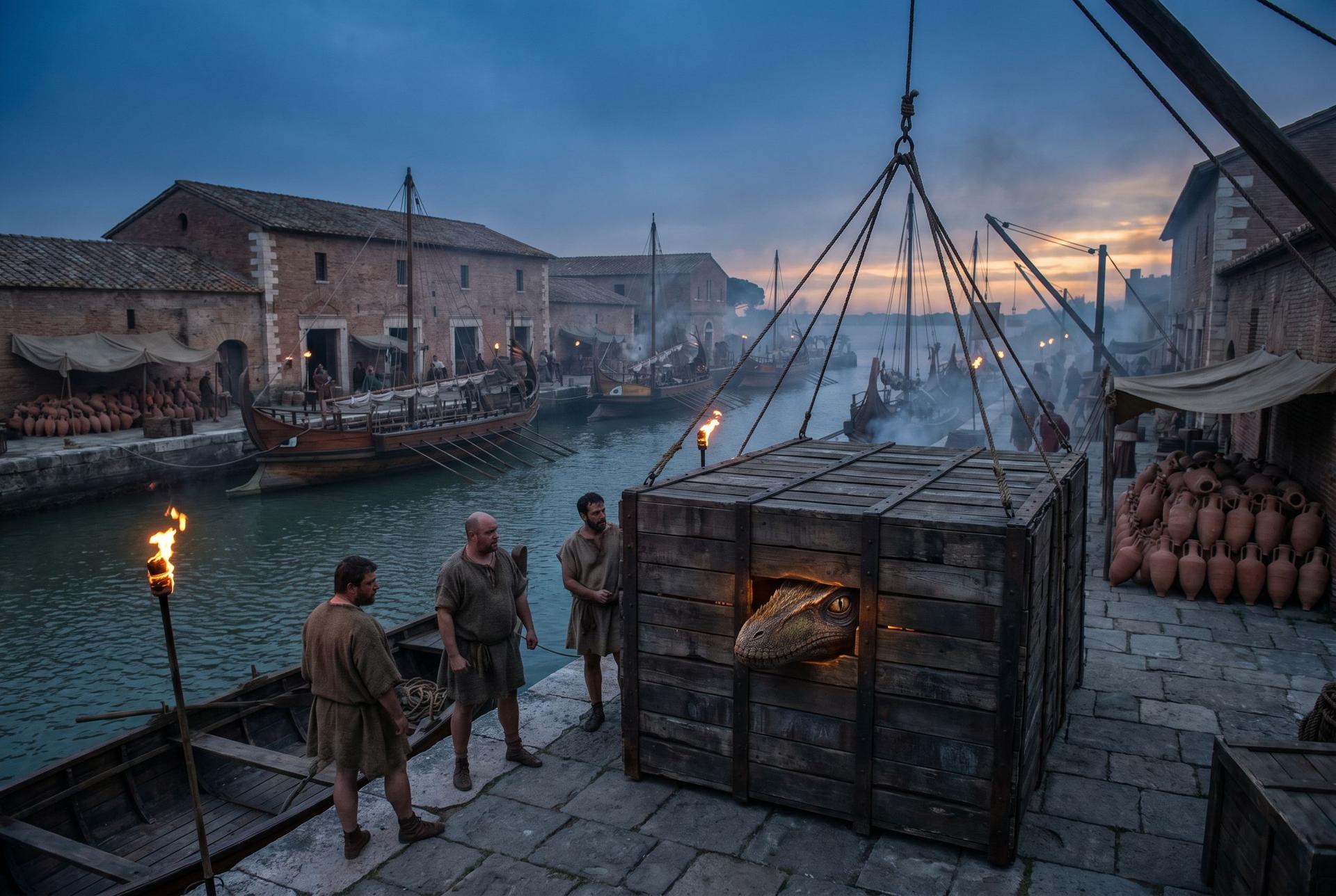
IMPOSSIBLE FABLES · AD 80 · ROME
The beast in the Colosseum
During the hundred days of games that opened the Colosseum in AD 80, the animal hunters of the empire delivered one crate too old for any map. Through a fold in deep time, a subadult tyrannosaur reached the arena that was built to prove nothing alive outranked Rome. This is the fable of what Rome did when it met an animal it could not beat.
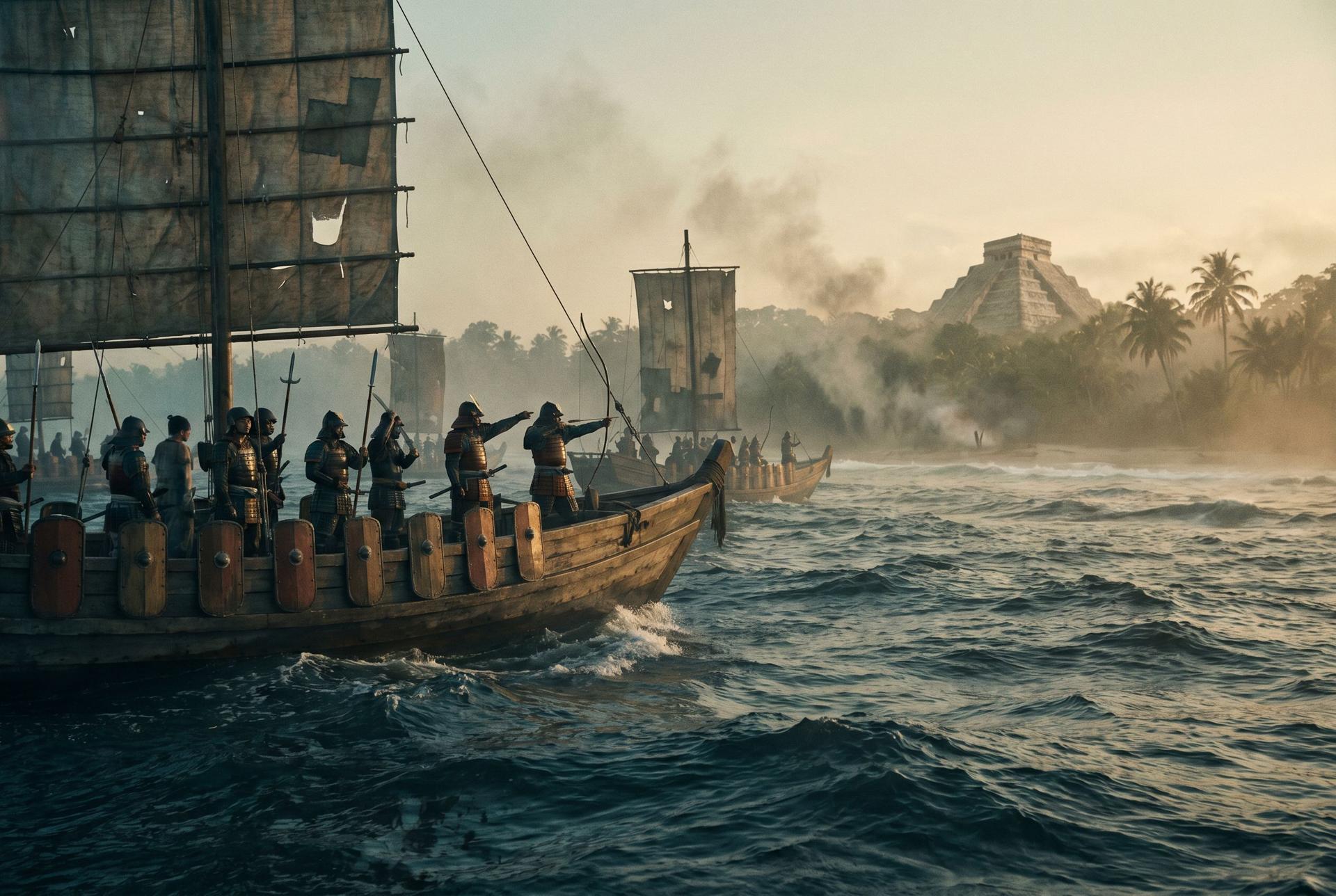
IMPOSSIBLE FABLES · 1515 · THE GULF COAST OF MEXICO
Obsidian and steel
No storm in our history ever carried a fleet whole across the Pacific. This is the fable where one did: two thousand soldiers of Japan’s civil wars set down on the Aztec gulf coast in 1515, four years ahead of Cortés.

IMPOSSIBLE FABLES · AD 97 · THE PAMIR PASSES
The two empires meet
In AD 97 the Han general Ban Chao sent the envoy Gan Ying to find Rome, and Parthian sailors turned him back at the Persian Gulf with tales of a two-year sea. The two greatest empires of the age never met. This is the fable where the atlas folds the map once, and a nineteen-day mountain pass joins Roman Syria to the Tarim Basin.
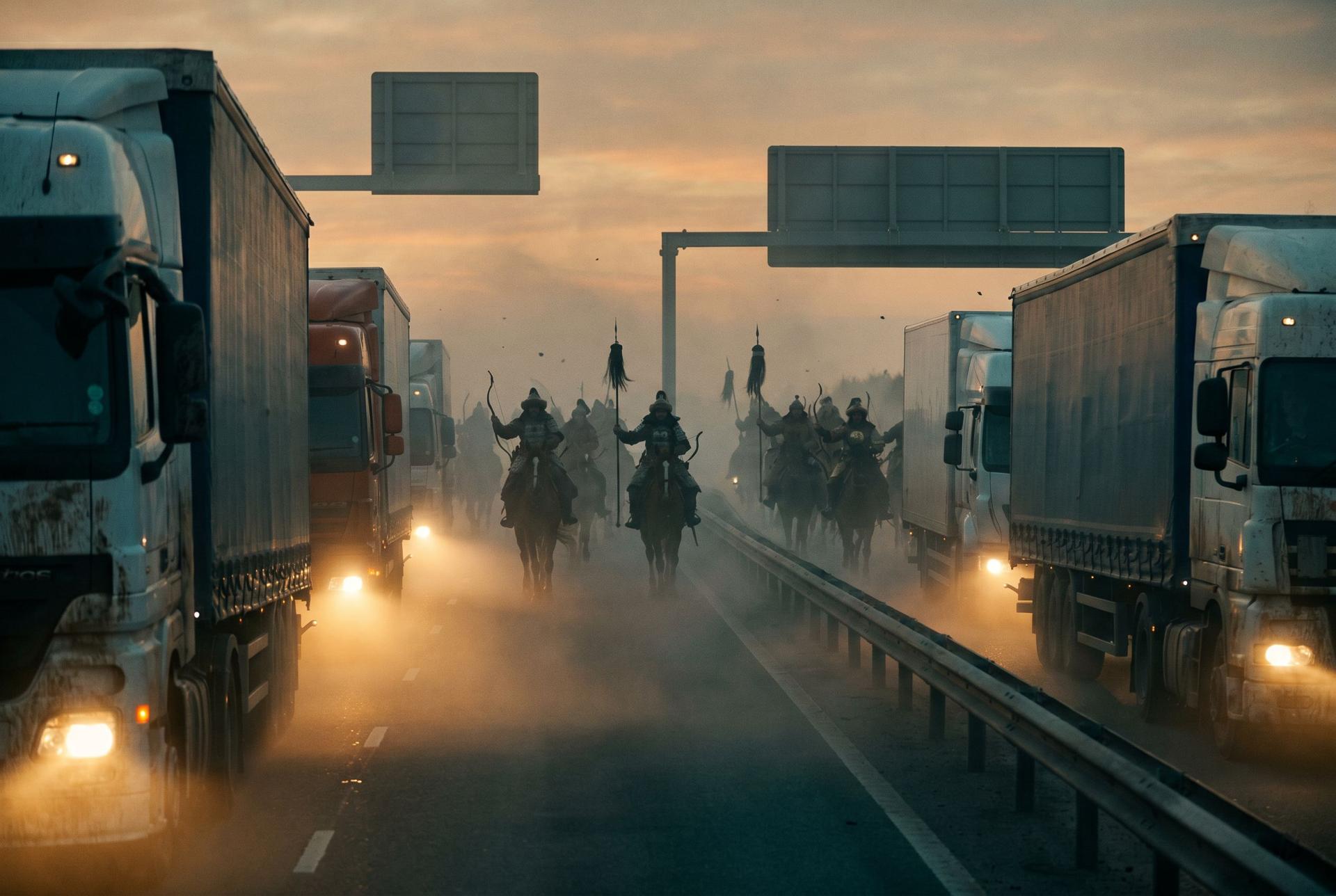
IMPOSSIBLE FABLES · A TUESDAY IN OCTOBER · THE HUNGARIAN PLAIN
The horde on the motorway
On a Tuesday in October, out of the ground fog of the Hungarian plain, ten thousand riders of Batu Khan’s army come through onto the M5 motorway near Kecskemét, still carrying orders written in 1241. The one fable in the atlas told from our side: the past visits us, and is met by dashcams, quarantine law and an offer of asylum.
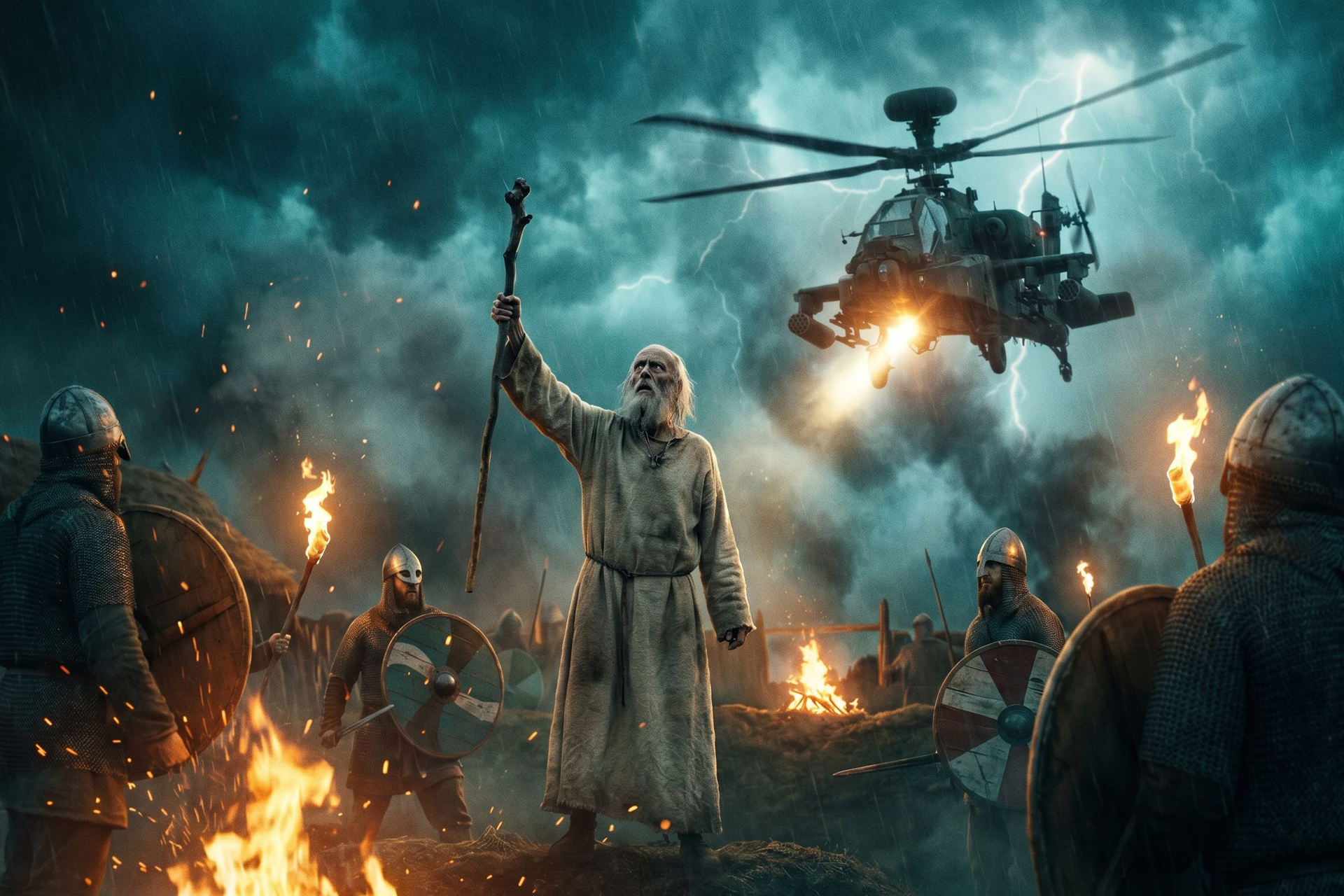
IMPOSSIBLE FABLES · THE AGE OF ARTHUR · THE WALLS OF CAMELOT
Merlin calls the thunder over Camelot
The fortieth night of the siege of Camelot. The gate is splinters, the wells are low, and on the last wall Merlin asks the storm for help. What answers is not a dragon and not a demon: a made thing, from a timeline of iron.
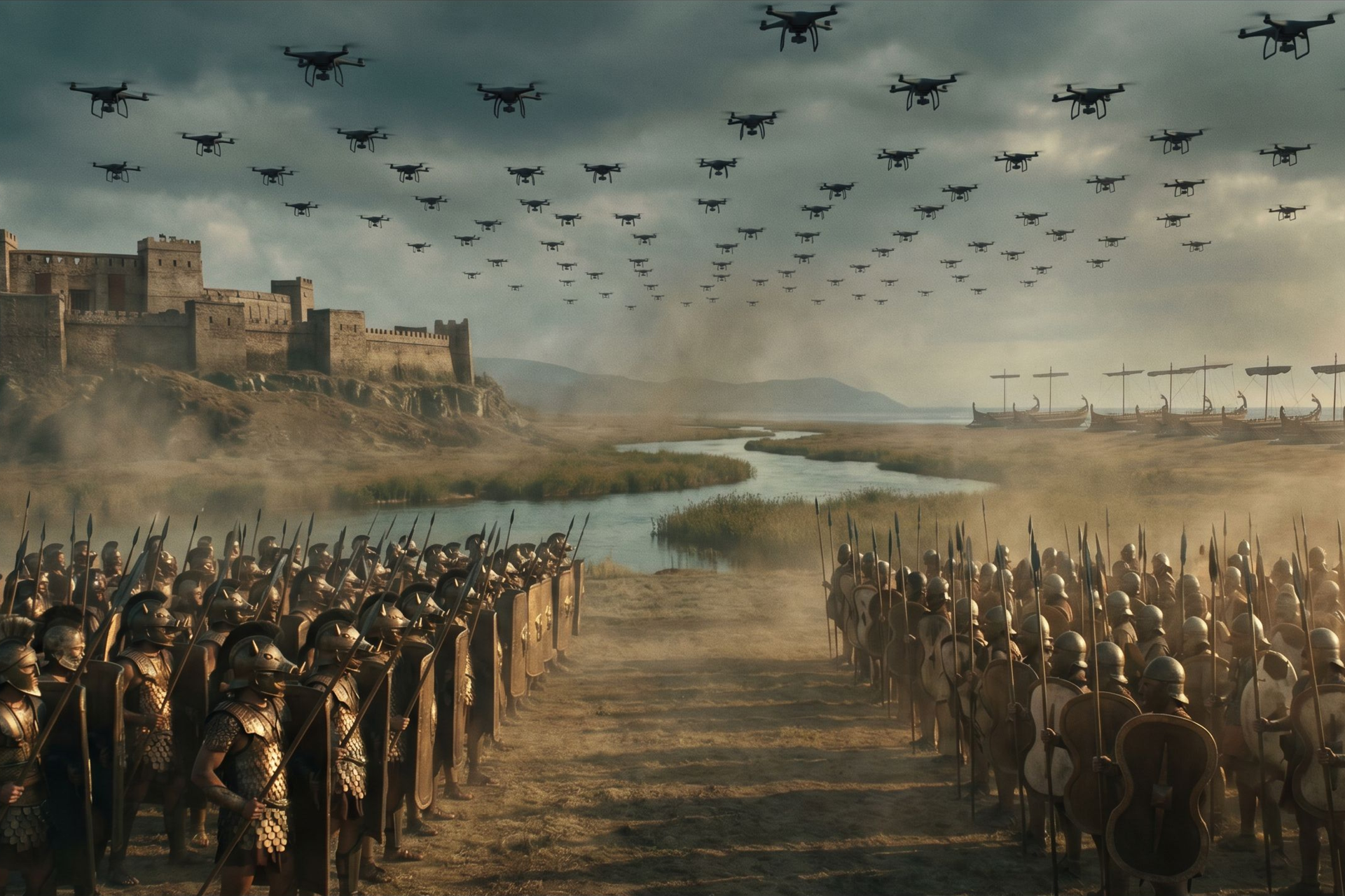
IMPOSSIBLE FABLES · THE NINTH YEAR OF THE WAR · THE PLAIN OF TROY
Achilles and the swarm
In the ninth year of the siege of Troy, a military drone swarm falls through the seam with no operators, no country, and one standing order: deny this ground to all combatants. The war becomes a siege against a god who never sleeps but is dying from the moment it arrives.
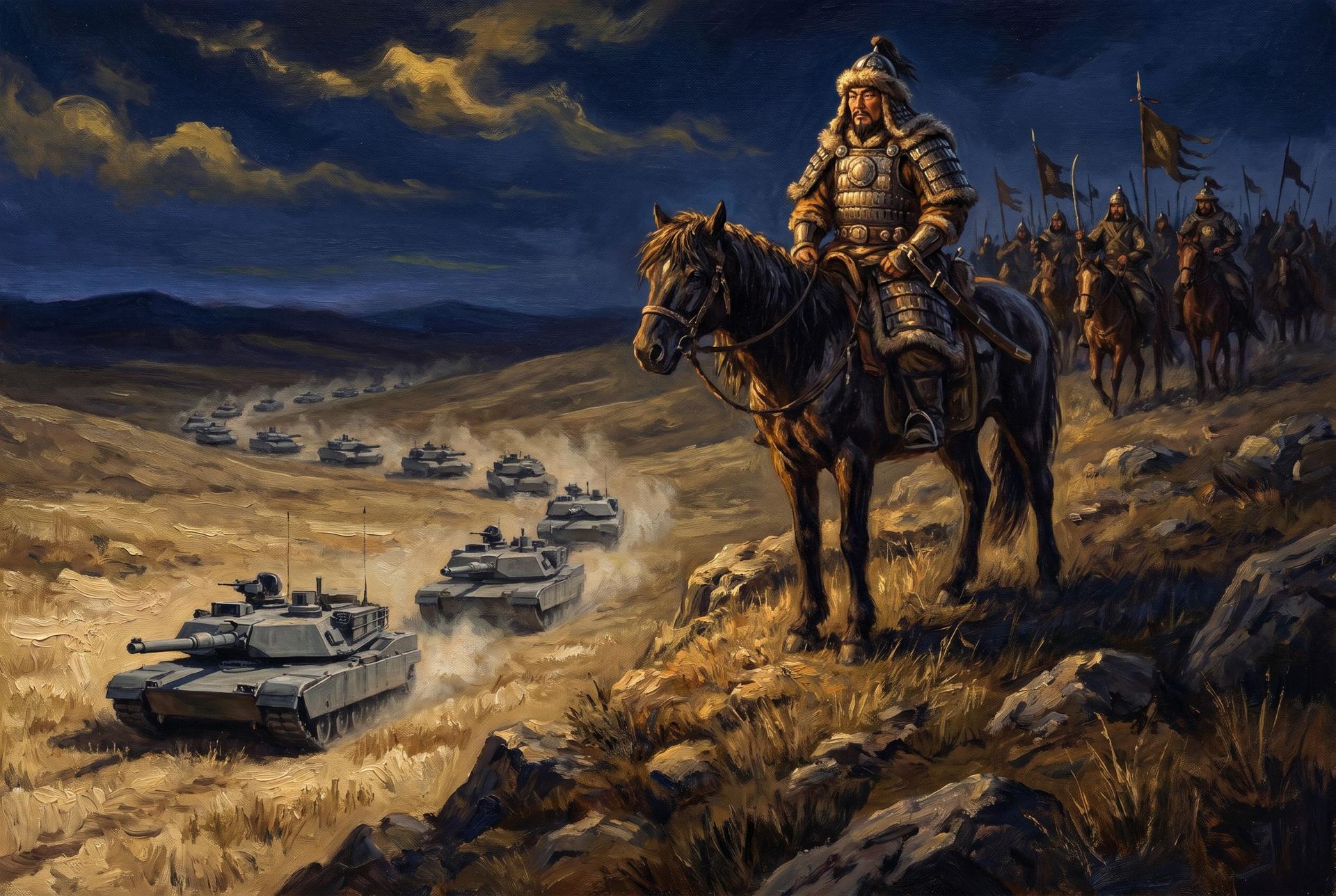
IMPOSSIBLE FABLES · AUTUMN 1219 · THE OTRAR STEPPE
Genghis Khan charges a column of tanks
The steppe thunders. A hundred thousand of Genghis Khan’s horsemen pour over the ridge toward a column of modern main battle tanks grinding across the grass — horn bows against armour plate, the old world against the new.
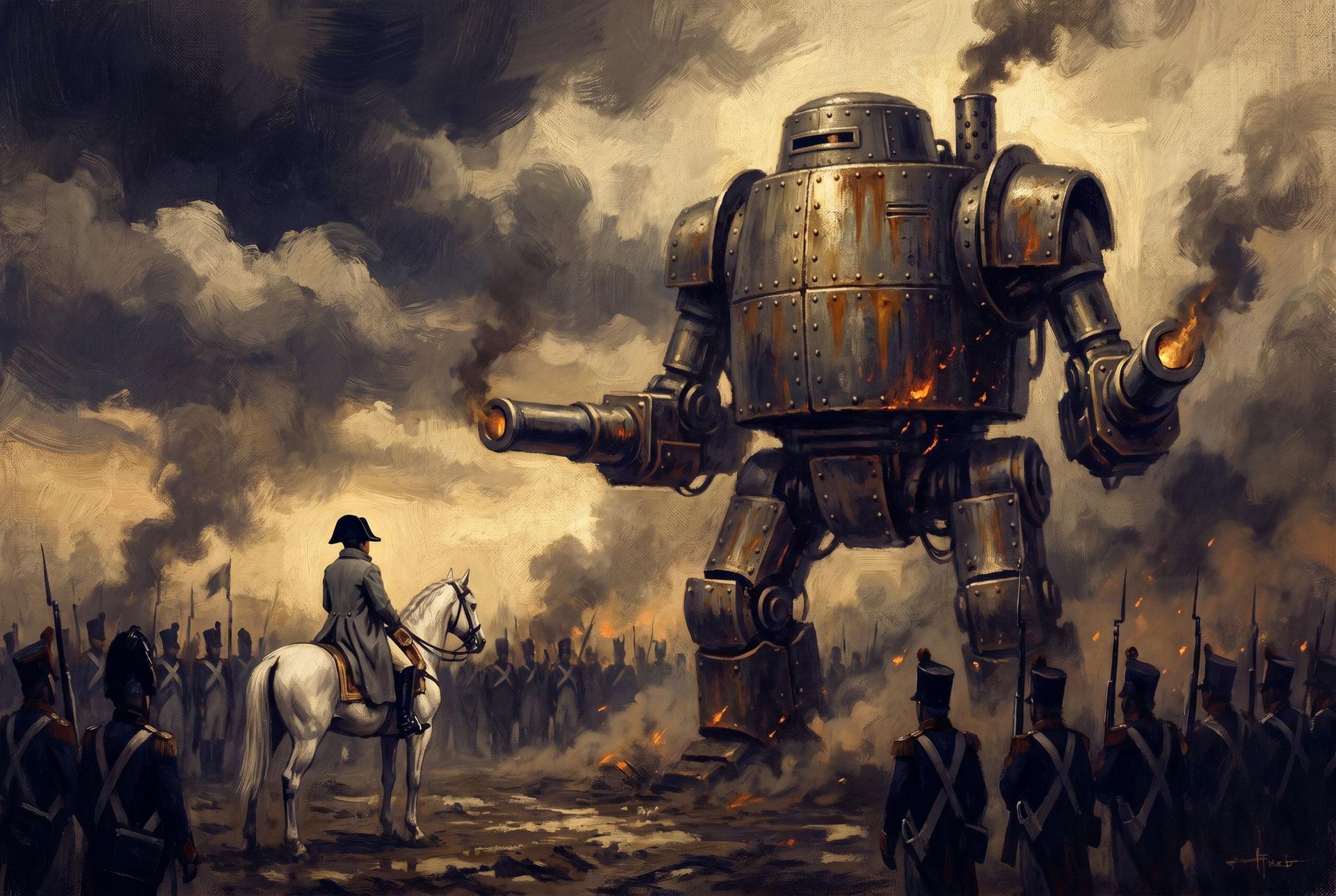
IMPOSSIBLE FABLES · 18 JUN 1815 · WATERLOO
Napoleon commands a war-mech at Waterloo
18 June 1815, Waterloo. Where the Old Guard once marched, a towering iron war-machine strides through the mud at Napoleon’s command, its cannon-arms wreathed in smoke. The line that broke him may not break today.
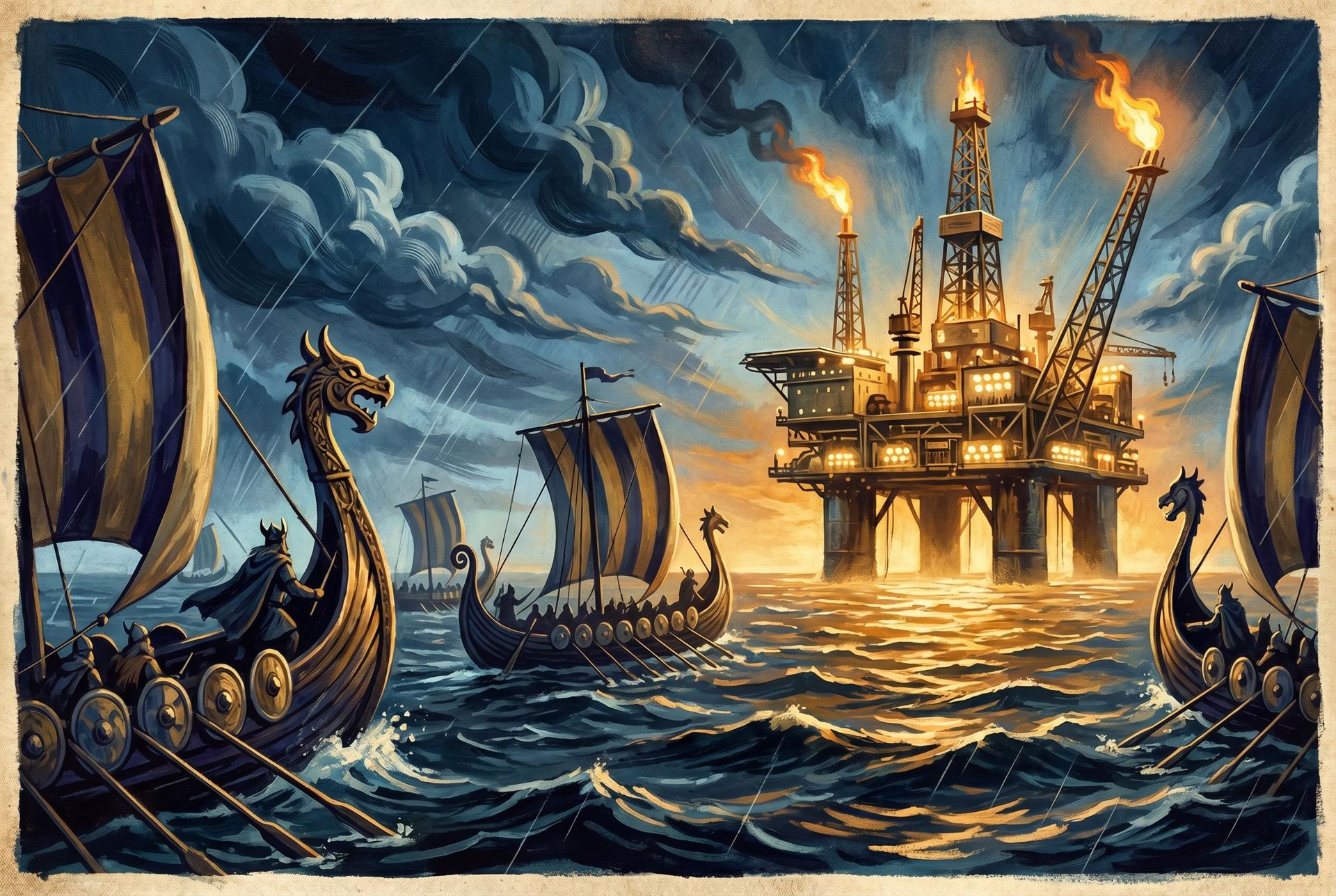
IMPOSSIBLE FABLES · LATE OCTOBER, THE VIKING AGE · THE NORTH SEA
Viking longships raid a North Sea oil rig
A storm hurls a raiding fleet of longships against a colossus of steel rising from the North Sea — an offshore oil platform, blazing with impossible lights. The Norsemen row in, axes ready, certain it is a god or a giant.
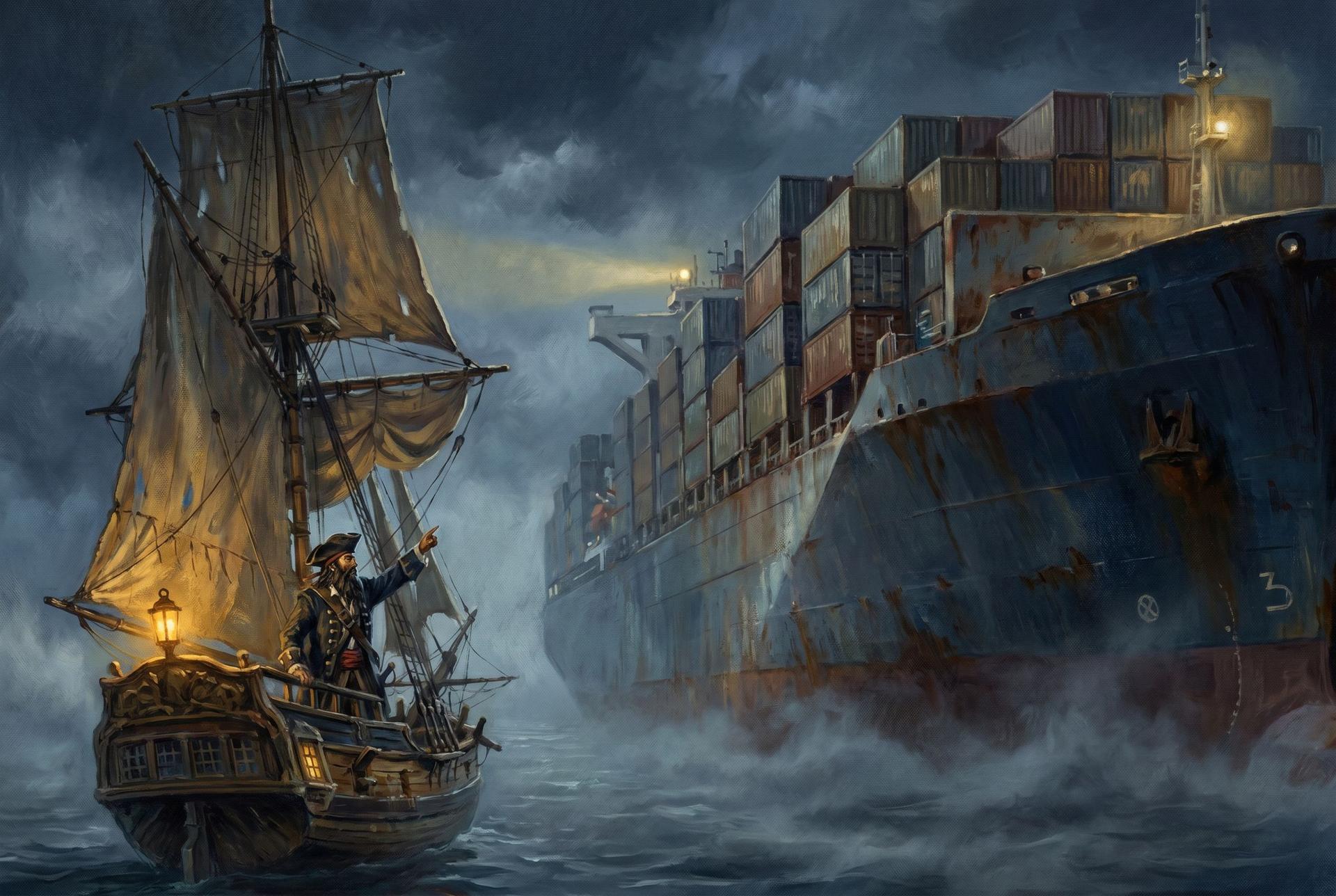
IMPOSSIBLE FABLES · 22 NOV 1718 · OFF THE CAROLINAS
Blackbeard boards a container ship
1718, off the Carolinas. Blackbeard’s sloop draws alongside a mountain of steel drifting silent in the fog — a modern container ship, ten storeys tall. Cutlasses against a hull no cannon can dent.
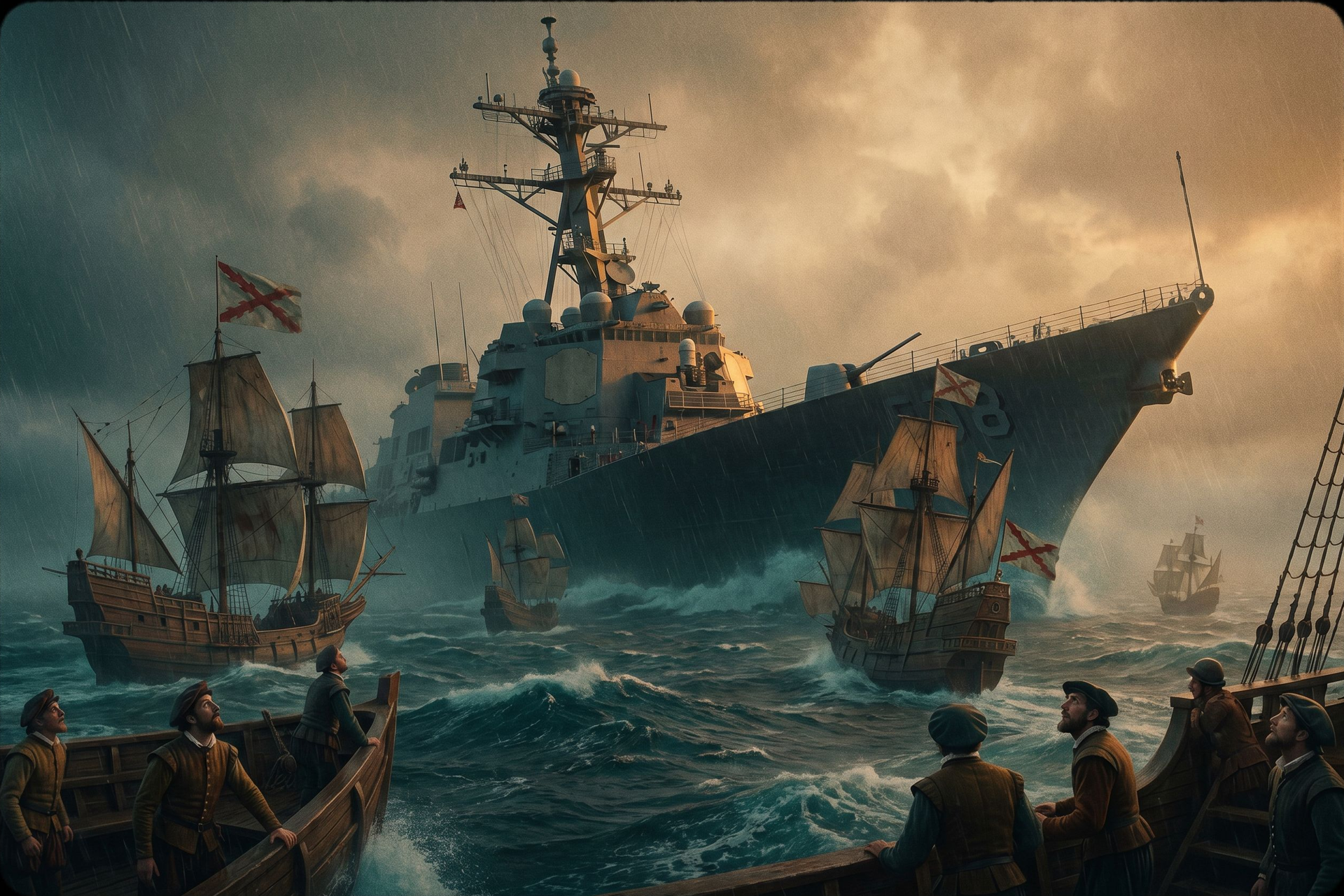
IMPOSSIBLE FABLES · AUG 1588 · THE ENGLISH CHANNEL
A modern destroyer meets the Spanish Armada
The English Channel, August 1588. Between the Armada and the English fleet, out of a rain squall, comes a hull of grey steel that belongs to no century either side has seen. No bridge of causes leads here. The atlas keeps it anyway.