FATEFUL CHOICES
MAY 1924 · MOSCOW
The Testament is read aloud
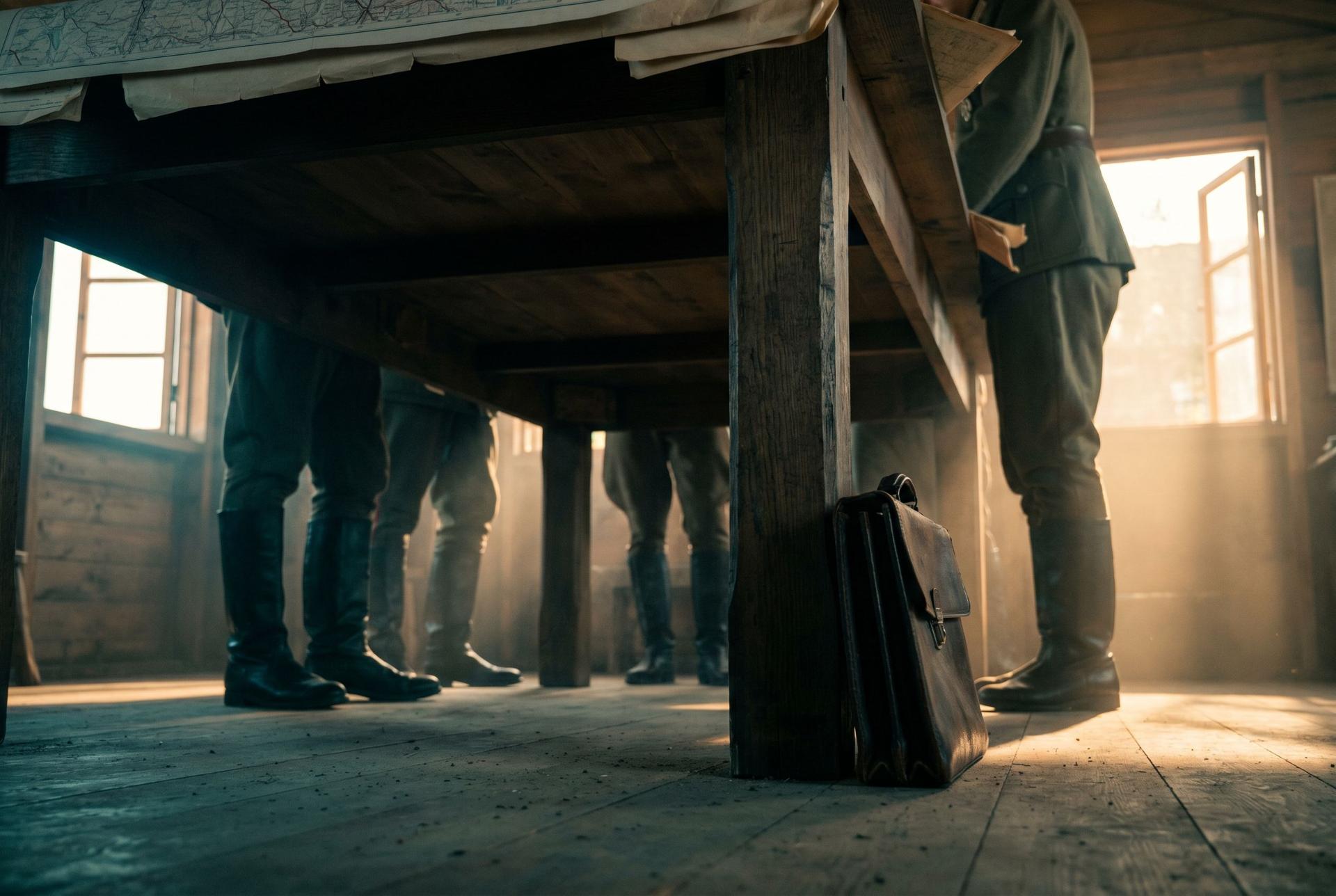
Moscow, May 1924. A sealed envelope from the dead Lenin asks the party to remove Stalin, and a steering committee is voting on whether the Congress will ever hear it. This is the timeline where the vote goes the other way.
You are reading the timeline that almost was · notes marked THE RECORD are real history
23 MAY 1924 · THE ROSTRUM
Moscow, May 1924. Lenin is four months dead, and his widow Krupskaya delivers to the party the notes he dictated in his last illness: portraits of the leadership, each with its flaw, ending in a postscript aimed at one man. Stalin is too rude, it says; the comrades should think about removing him as General Secretary. On 19 May the papers reach the steering committee of the Thirteenth Congress. By a vote of thirty to ten, over Krupskaya's objection, the committee decides the Congress will not hear the Testament in open session. It is whispered to delegations separately, without notes, with explanations of Lenin's illness. Stalin offers his resignation twice in the aftermath. Surrounded by rivals who each fear the others more than him, it is refused, unanimously. The rest is our century.
In the timeline recorded here, the committee vote runs nineteen to twenty-one, because eleven provincial delegates decide that a dead Lenin outranks a living argument. The Testament goes to the rostrum. On 23 May 1924 the Congress sits in a silence the stenographers mark twice while Kamenev, of all people, reads out the postscript in a voice that keeps slowing. The sentence lands in the hall like a dropped rifle. Stalin offers the resignation he has already drafted, expecting the sentence to work as it worked in the corridors. Spoken from the rostrum, in Lenin's own words, before twelve hundred delegates, it works the other way. The resignation is accepted by show of hands, and the count is not close.
Beat 1 of 8
The atlas keeps other pages near this one