FATEFUL CHOICES
Fateful Choices
Alternate histories that begin with a human being choosing otherwise: a general who stays, a captain who turns, a signature withheld. One decision moves, and the atlas follows the consequences down to today.
18 charted timelines in this galaxy
Fateful Choices
18A human being chooses otherwise, and history bends.
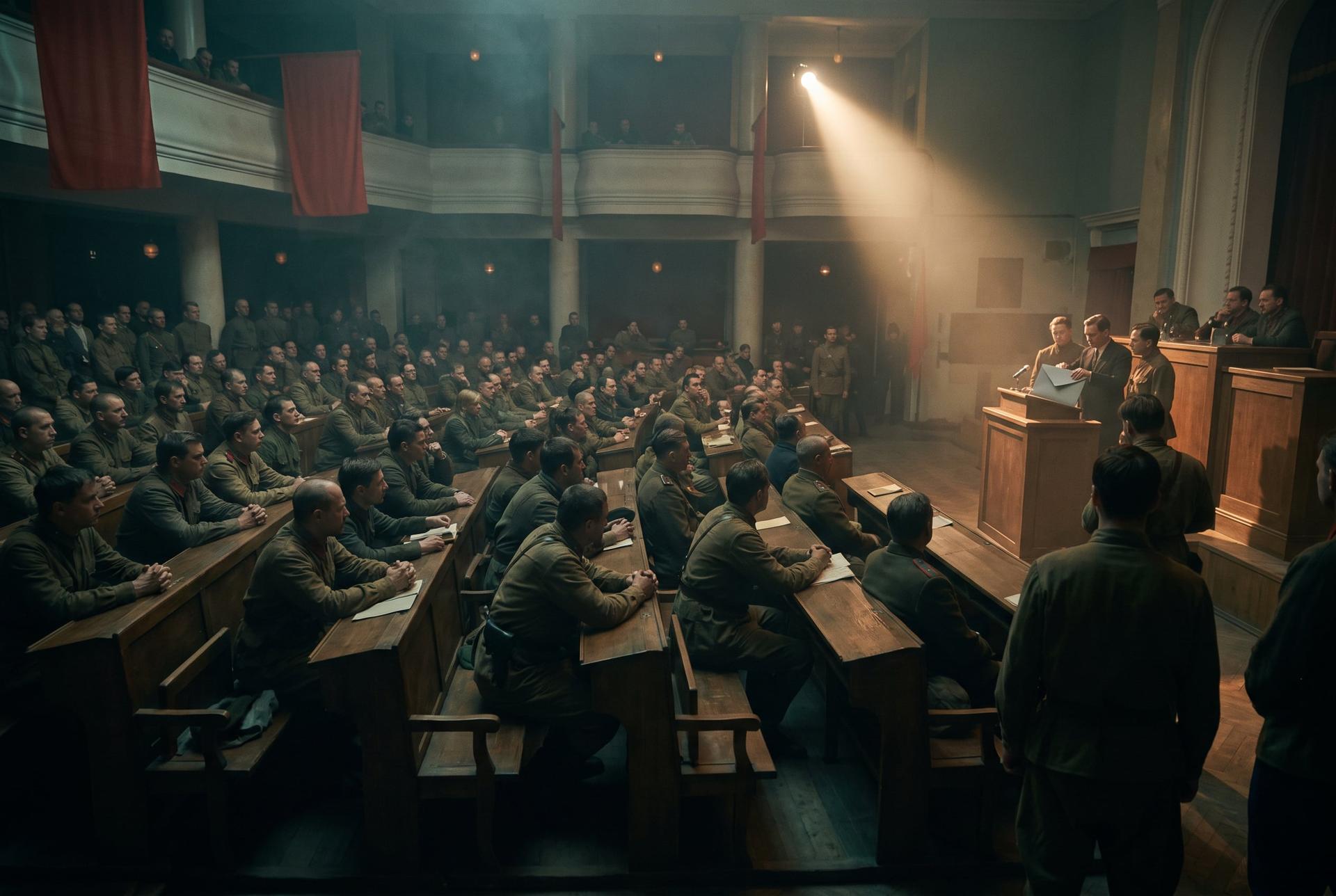
FATEFUL CHOICES · MAY 1924 · MOSCOW
The Testament is read aloud
Moscow, May 1924. A sealed envelope from the dead Lenin asks the party to remove Stalin, and a steering committee is voting on whether the Congress will ever hear it. This is the timeline where the vote goes the other way.
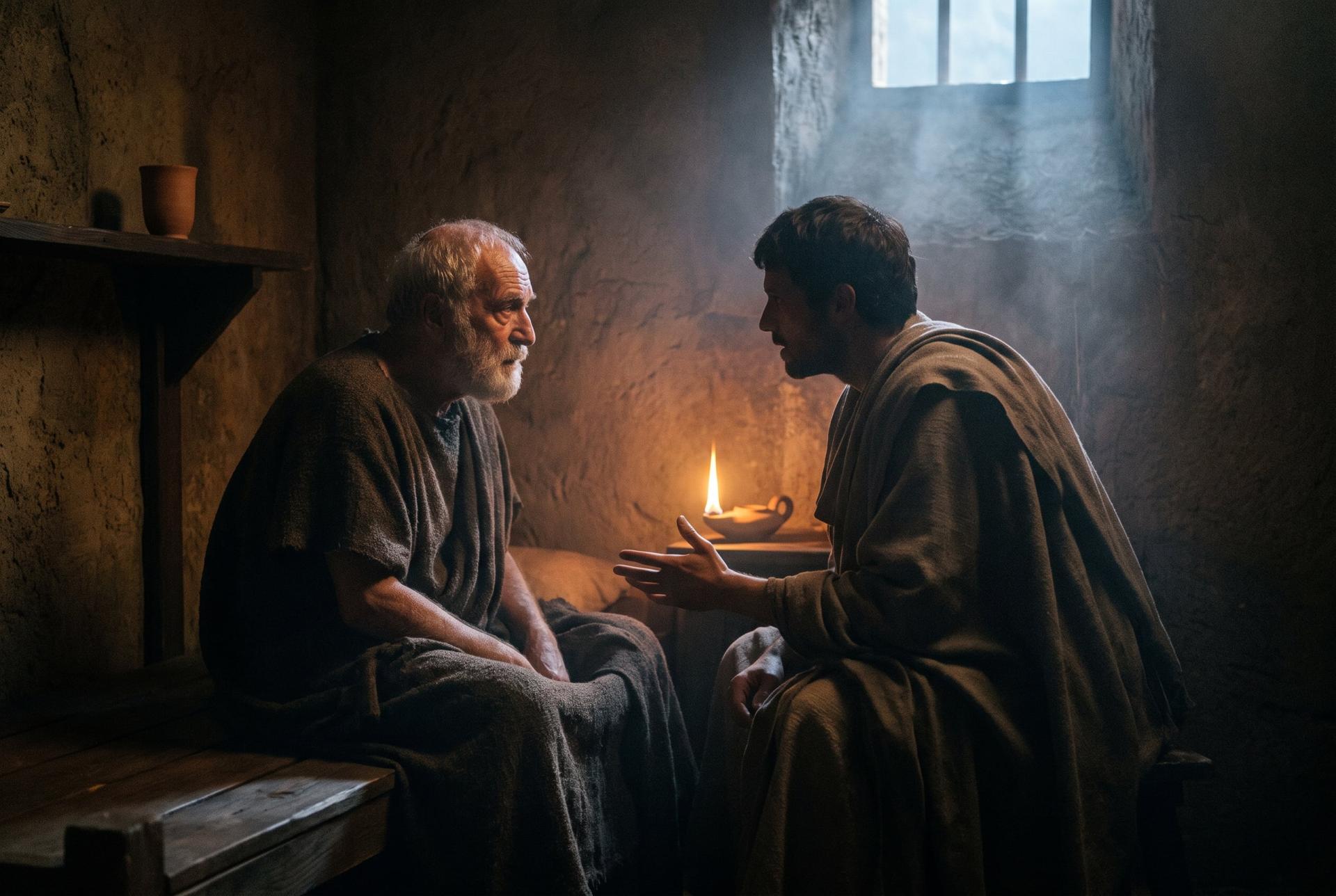
FATEFUL CHOICES · 399 BC · ATHENS
The cup passes by
Athens, 399 BC. In a cell by the agora, an old man's friends have bribed the guards and a boat waits for Thessaly. This is the timeline where Socrates says yes.

FATEFUL CHOICES · OCT 1803 · WASHINGTON
The Louisiana refusal
Washington, October 1803. The treaty doubling the United States lies before a Senate full of men who think buying it is unconstitutional, and the President half agrees with them. This is the timeline where the scruples win.
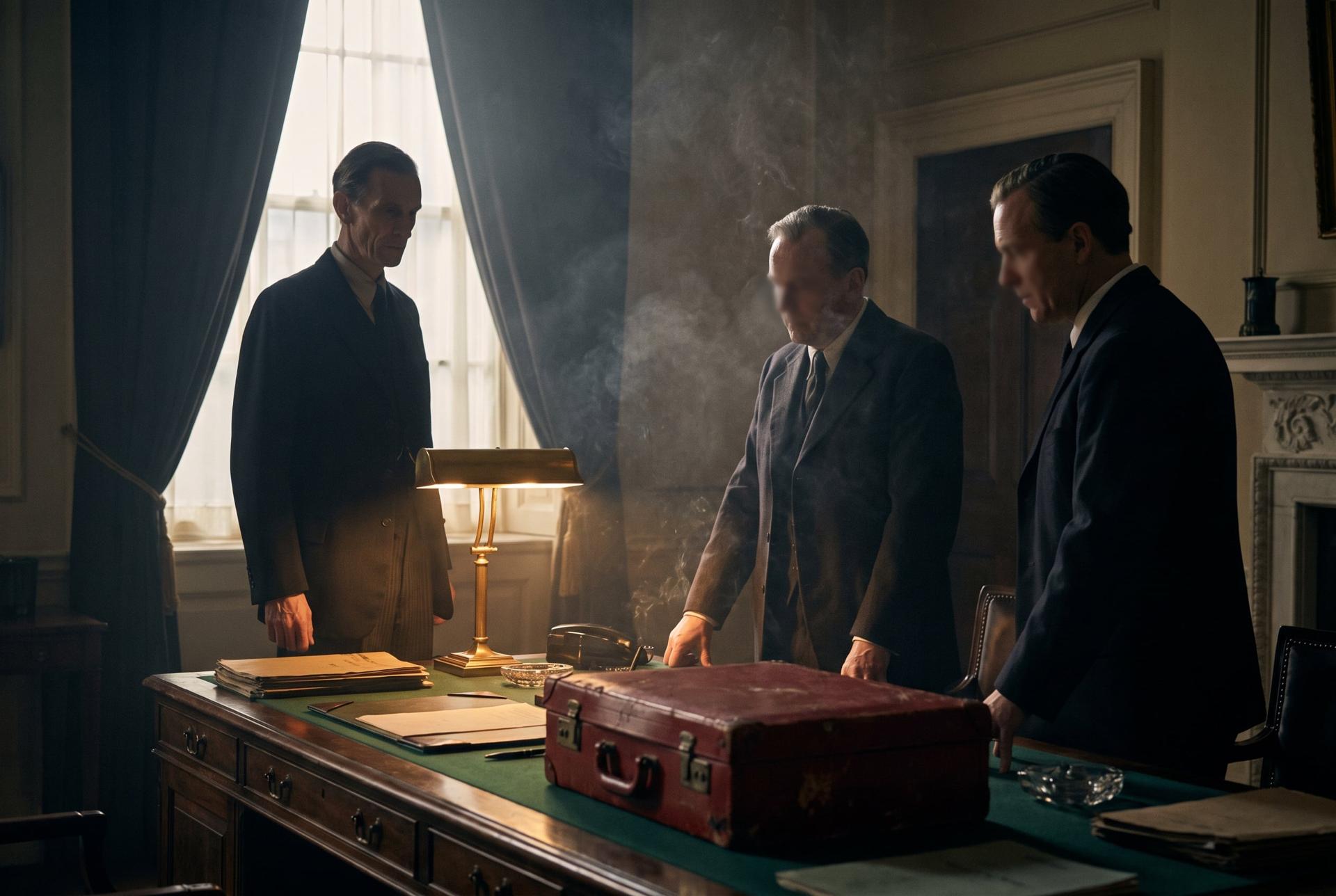
FATEFUL CHOICES · 9 MAY 1940 · DOWNING STREET
The quiet peace of 1940
London, 9 May 1940. Chamberlain is finished, and the premiership lies between two men in one room. This is the timeline where Lord Halifax does not stay silent.

FATEFUL CHOICES · SPRING 1812 · SAINT-CLOUD
The Grande Armée stays home
Saint-Cloud, spring 1812. An ambassador who knows Russia is begging Napoleon, seven hours at a stretch, not to cross the Niemen. This is the timeline where the Emperor listens.
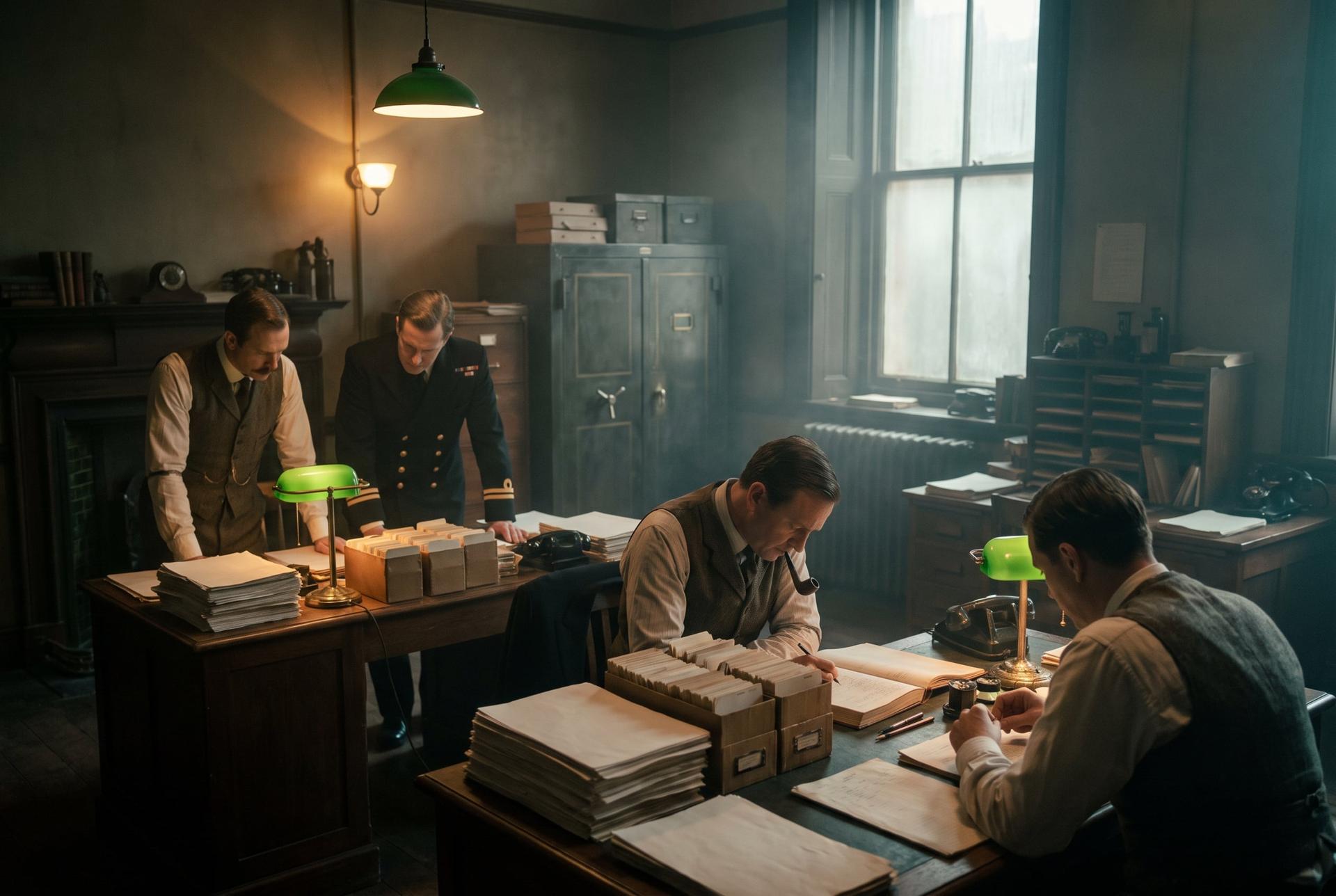
FATEFUL CHOICES · JAN 1917 · ROOM 40
America stays home
London, January 1917. In Room 40 of the Admiralty, a German telegram offering Mexico three American states is being decoded. This is the timeline where it never reaches the codebreakers' desk.

FATEFUL CHOICES · 1450 · MAINZ
The letters are never cast
Mainz, 1450. A goldsmith with a secret machine needs eight hundred guilders, and a merchant named Johann Fust is deciding whether to lend it. This is the timeline where Fust keeps his money.
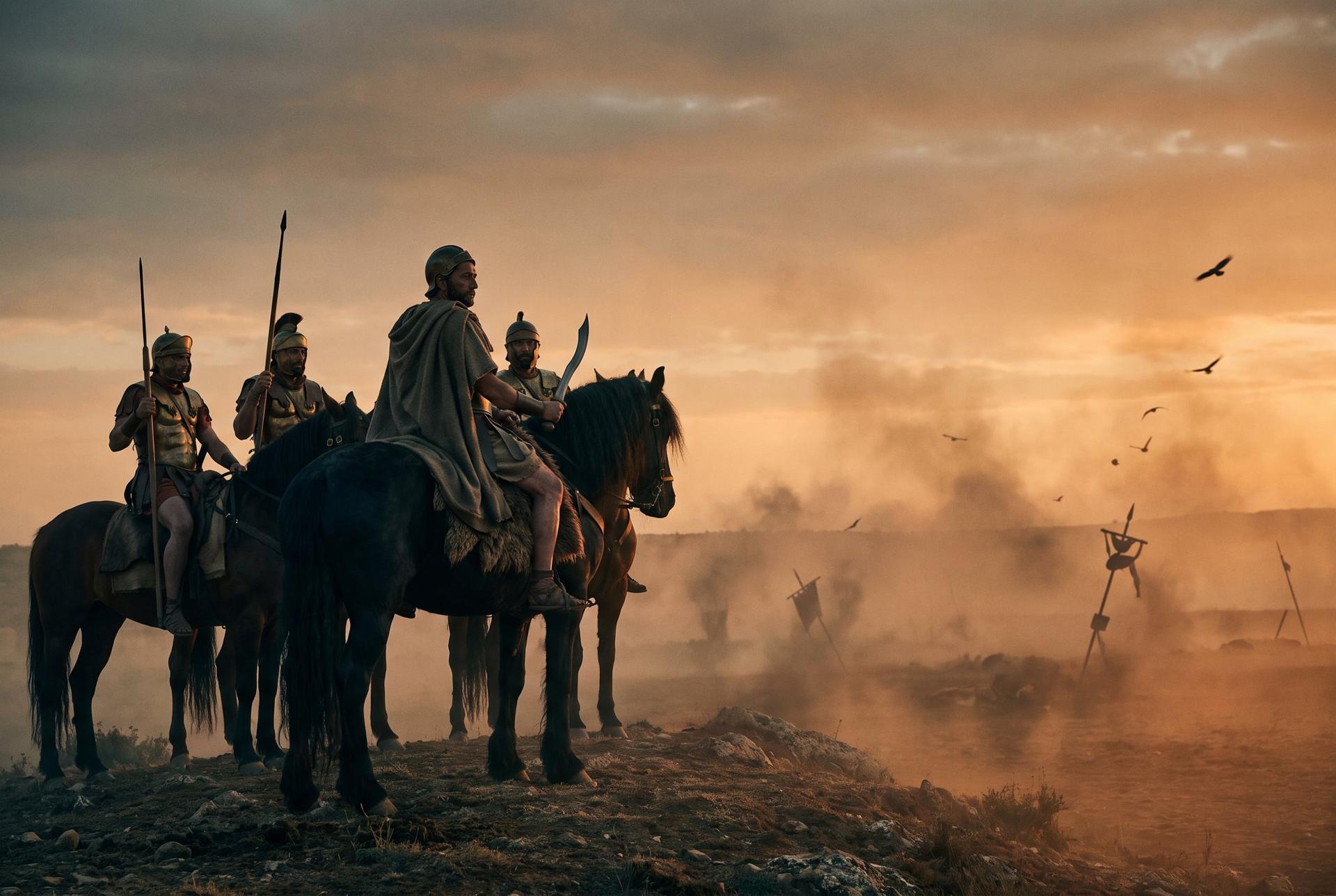
FATEFUL CHOICES · 216 BC · CANNAE
Hannibal at the gates
Cannae, the evening of 2 August 216 BC. Rome's largest army lies dead in a day, and a cavalry commander begs Hannibal to ride for the city itself. This is the timeline where Hannibal says yes.
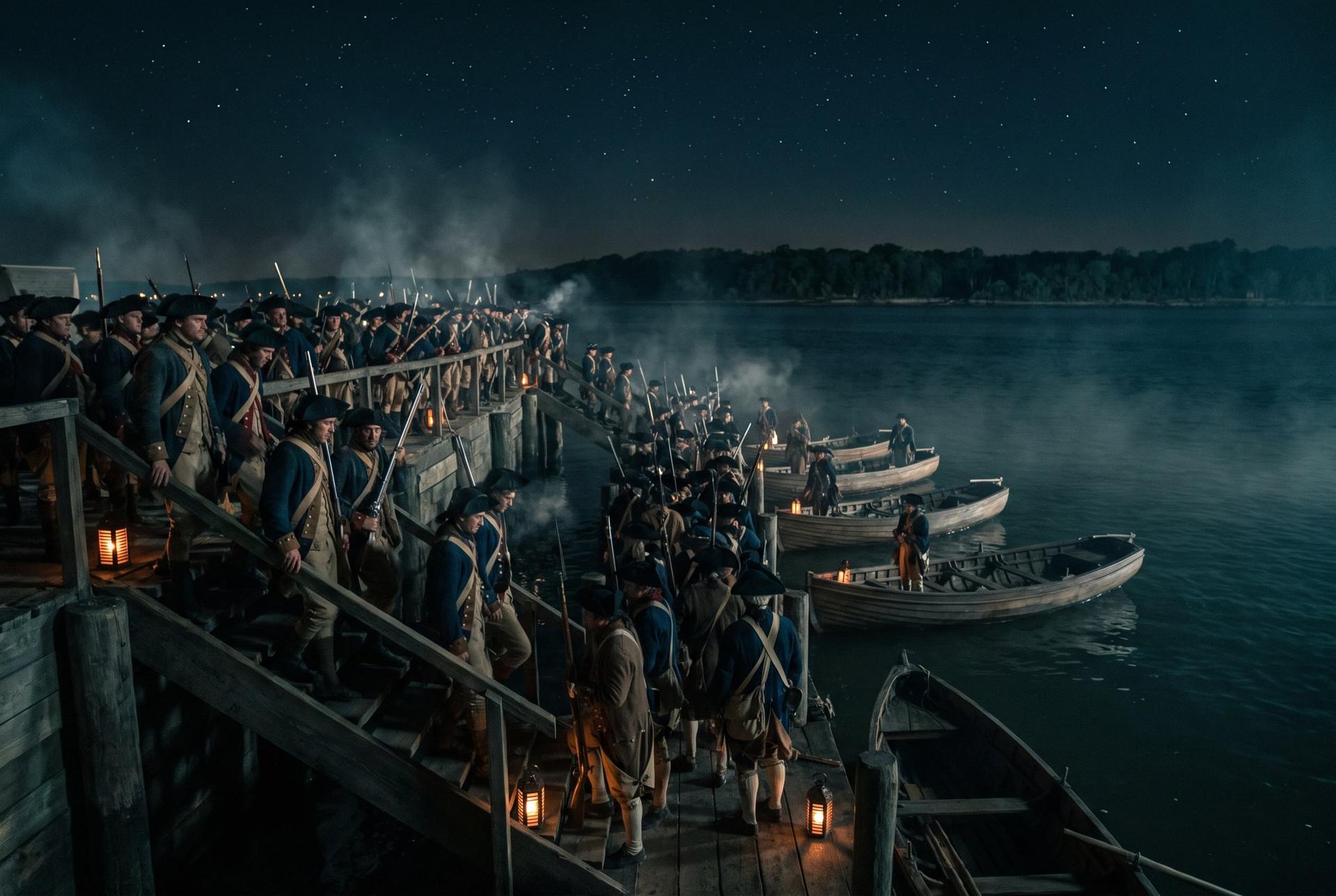
FATEFUL CHOICES · 29 AUG 1776 · BROOKLYN
The king keeps his colonies
Brooklyn, the last night of August 1776. Washington's beaten army waits on the wrong side of the East River for boats, and everything depends on the weather. This is the timeline where the fog never comes.
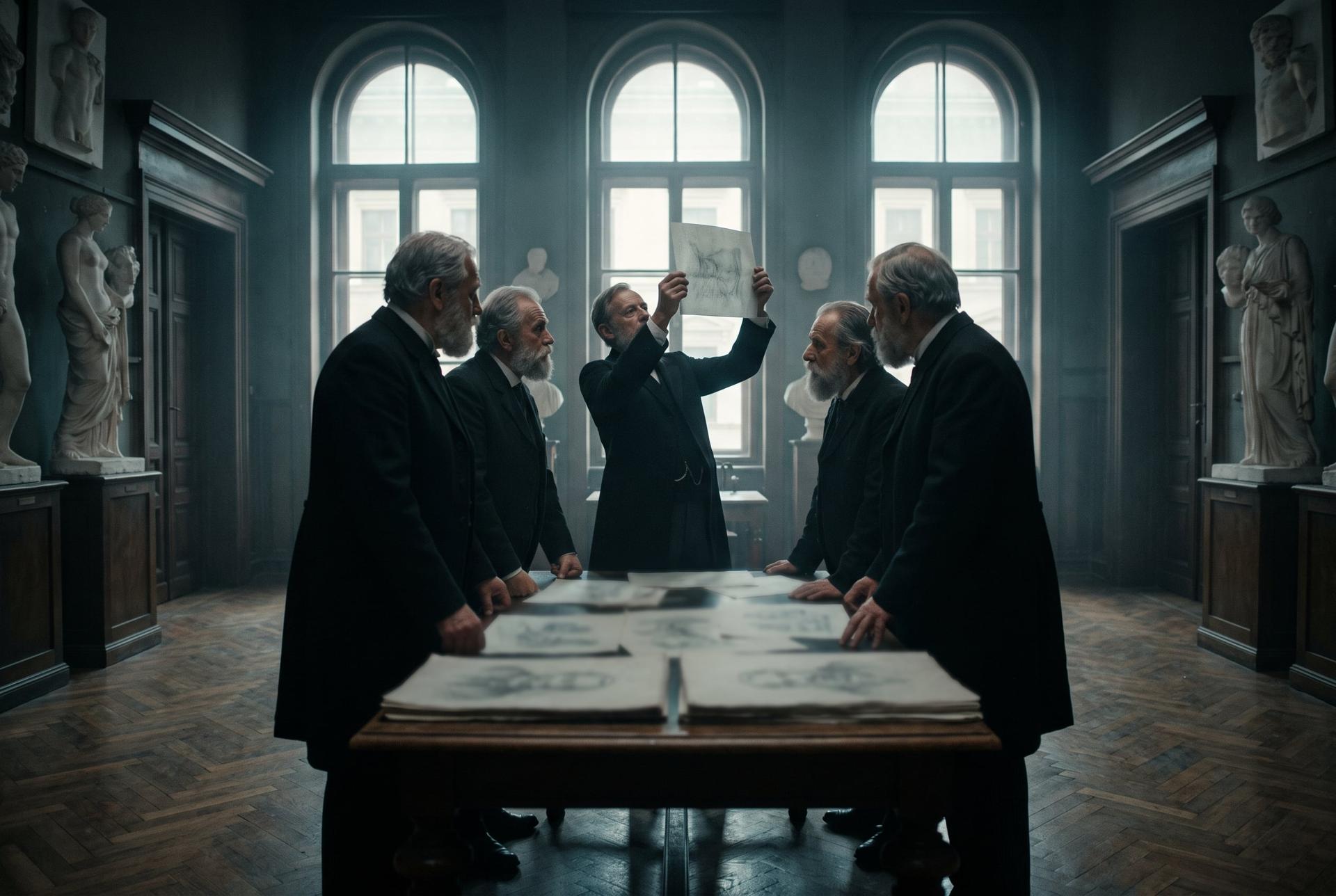
FATEFUL CHOICES · OCT 1907 · VIENNA
The academy says yes
Vienna, October 1907. The Academy of Fine Arts is grading its entrance drawings, and one Austrian applicant is about to be refused. This is the timeline where one juror argues, and the list gains a name.
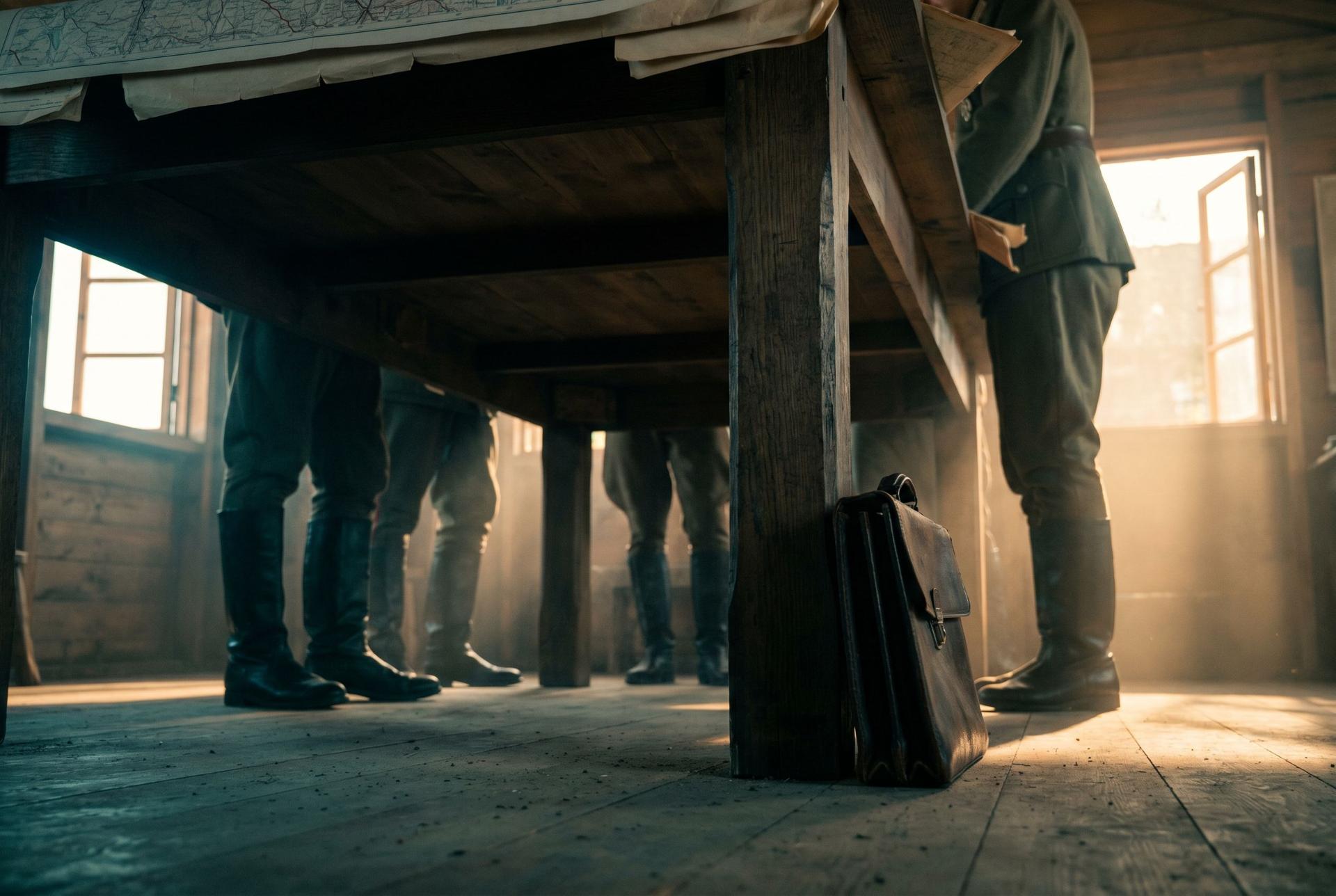
FATEFUL CHOICES · 20 JUL 1944 · WOLF'S LAIR, EAST PRUSSIA
The bomb under the map table
At 12:42 on 20 July 1944 a briefcase bomb exploded two metres from Hitler, and he lived, because an officer wanting a clearer view of the map had moved the case behind a heavy oak table leg. This is the timeline where nobody moves it.
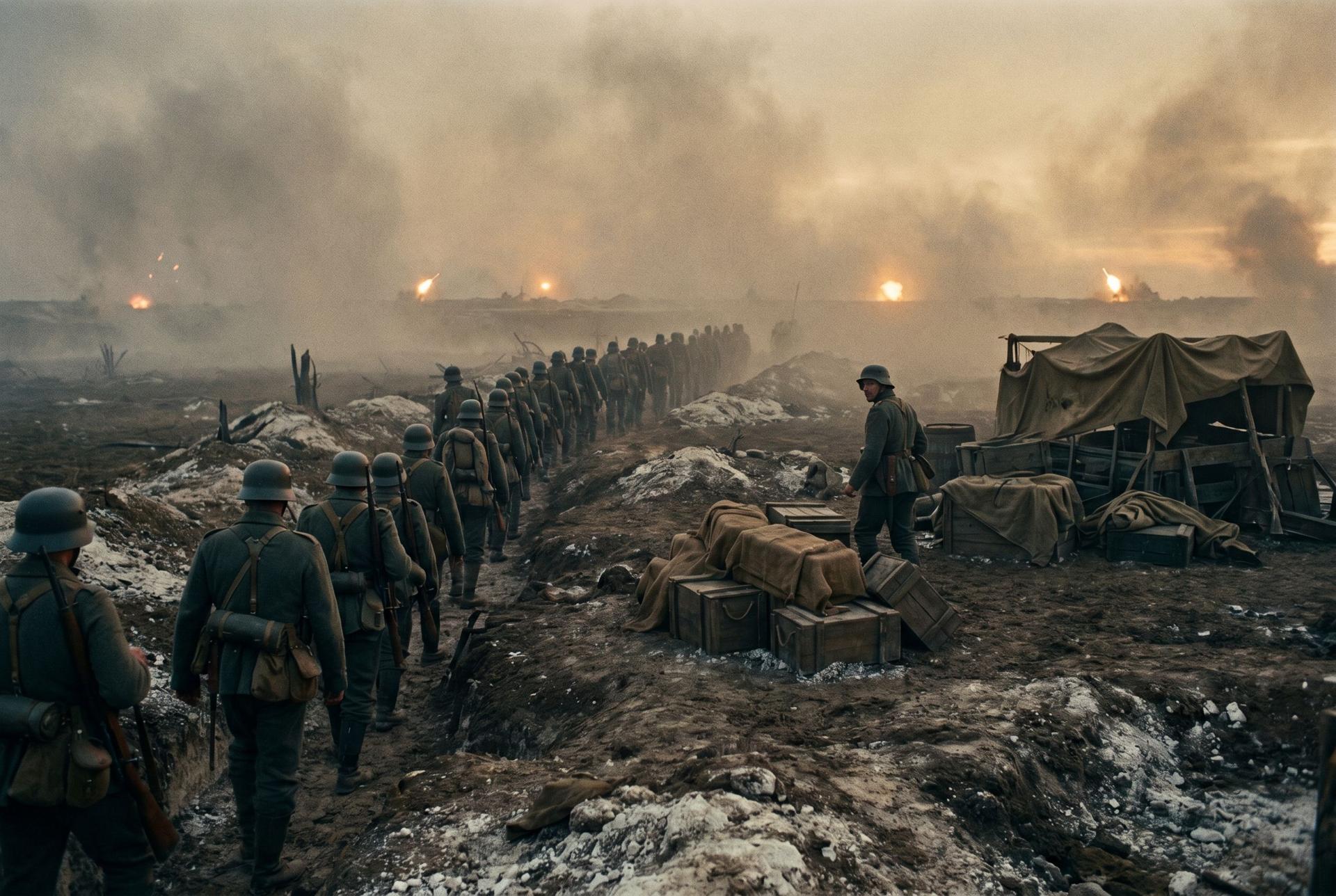
FATEFUL CHOICES · MAR 1918 · THE WESTERN FRONT
The Kaiser’s peace
On 21 March 1918 Ludendorff’s spring offensive tore a forty-mile hole in the British line and stalled short of Amiens, partly because his starving storm troopers stopped to feast in captured British supply dumps. This is the timeline where the spearheads eat marching and take the rail knot of the Western Front.
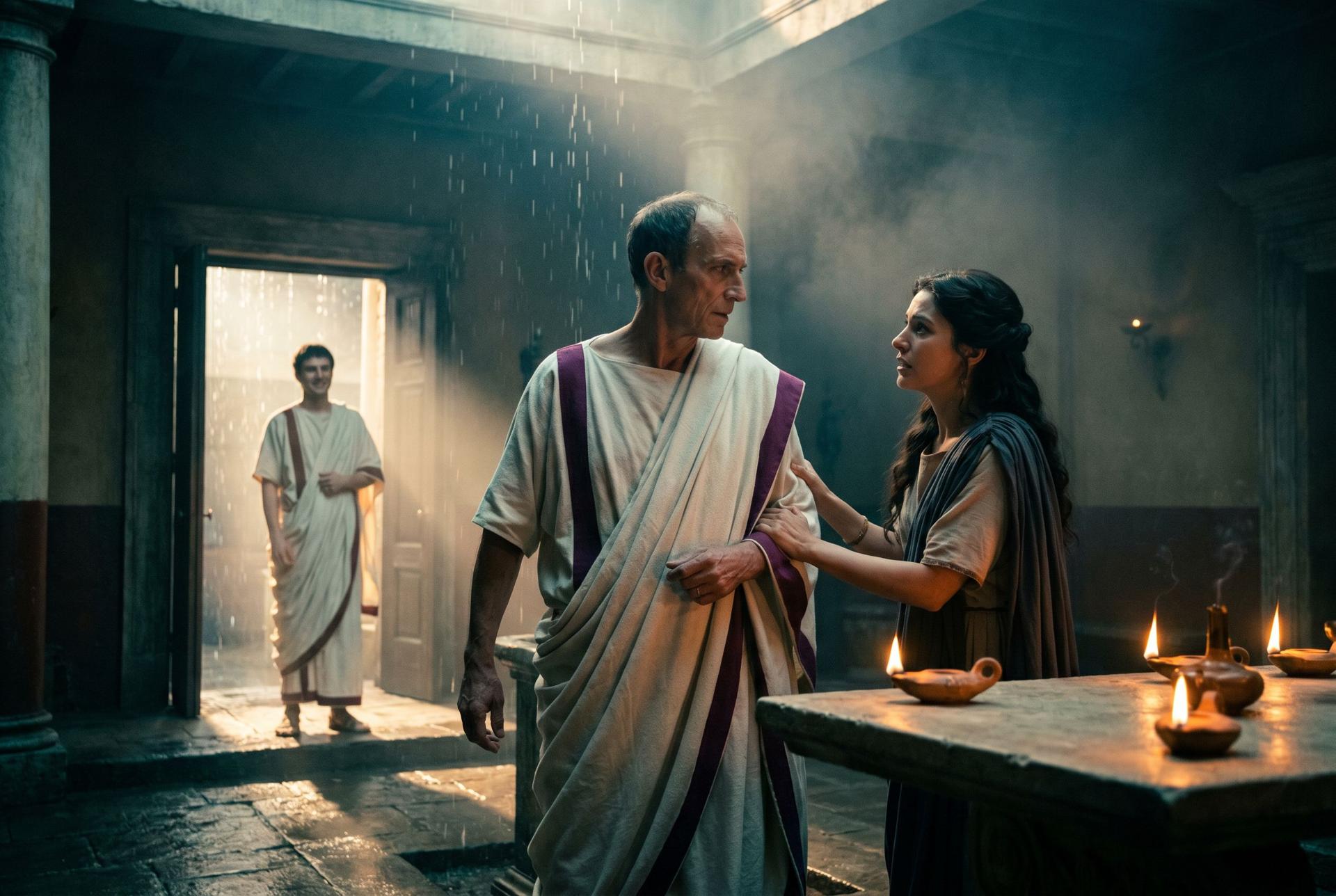
FATEFUL CHOICES · 15 MAR 44 BC · ROME
Caesar stays home
On the morning of the Ides of March, Caesar nearly did not go: Calpurnia had dreamed him dead and he ordered the Senate adjourned, until a conspirator came to his house and talked him out the door. This is the timeline where the door stays shut.
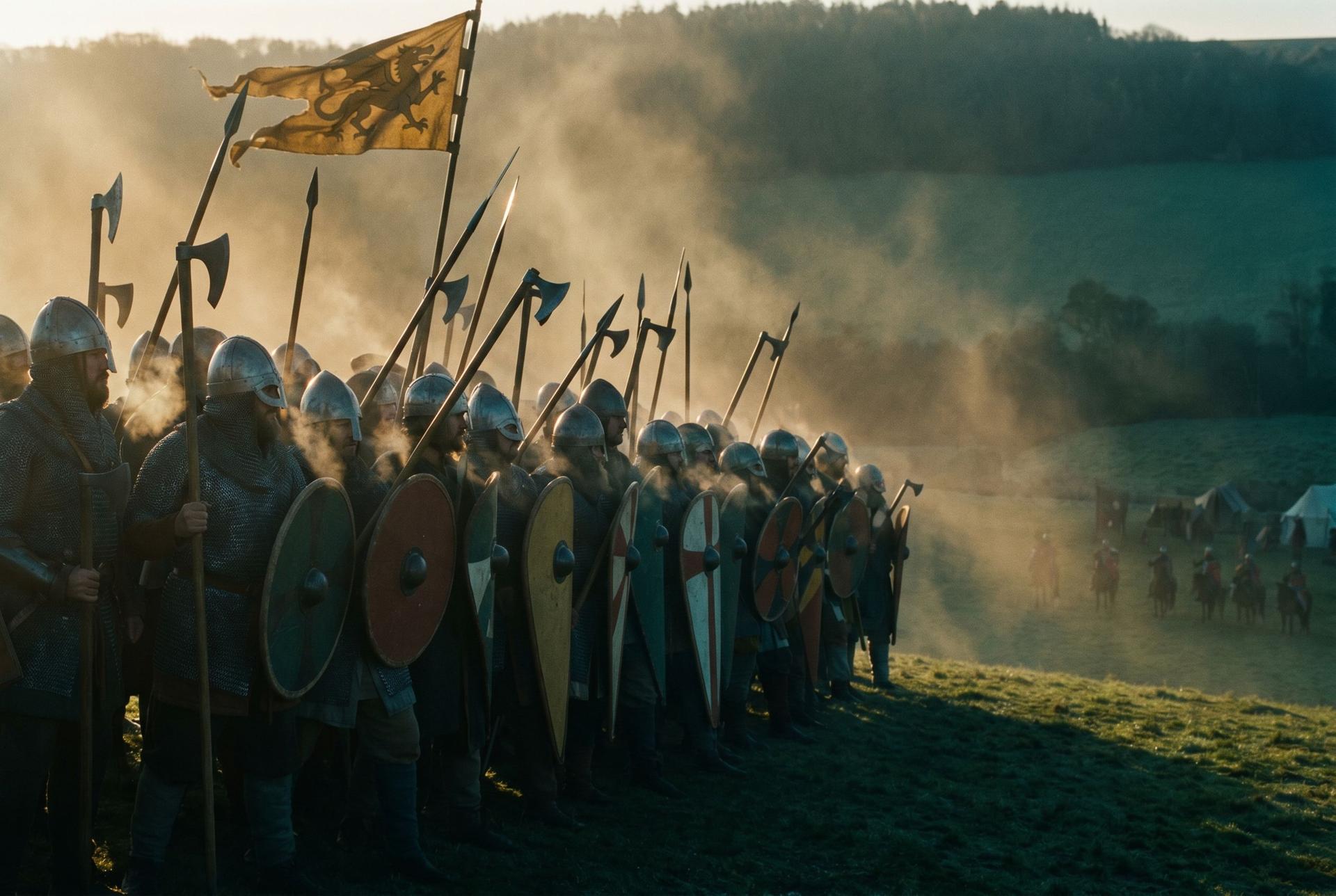
FATEFUL CHOICES · 14 OCT 1066 · SENLAC HILL, SUSSEX
Harold holds the hill
On 14 October 1066 the English shield wall held a Sussex ridge from nine in the morning until dusk, and lost England in the last hour by chasing a retreat that was not real. This is the timeline where the wall does not move.
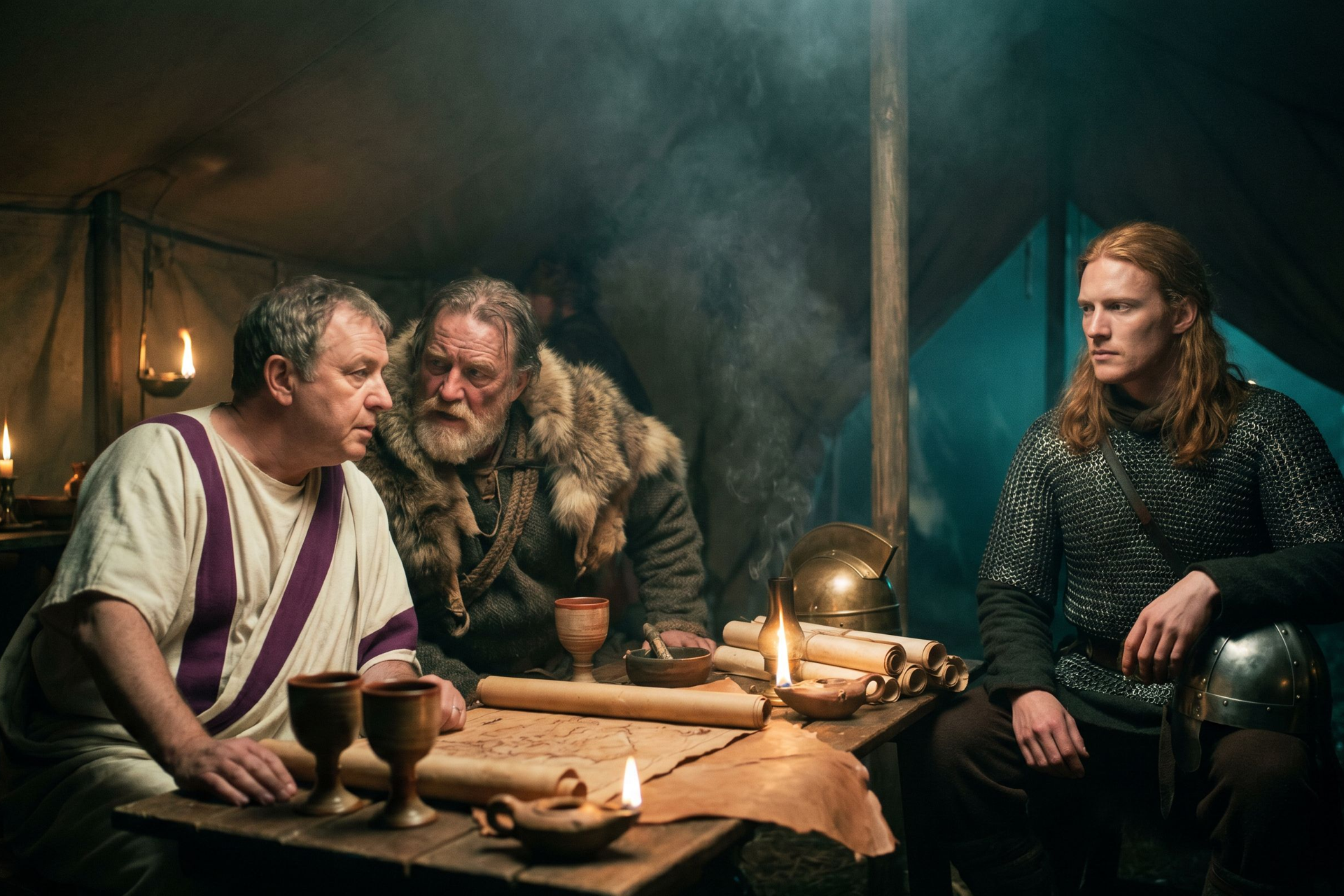
FATEFUL CHOICES · SEP, AD 9 · GERMANIA
Varus reads the warning
September, AD 9. Three Roman legions are about to march into the Teutoburg Forest, guided by a trusted German officer named Arminius who has secretly raised all Germania against them. The night before, at dinner, a loyal chieftain warns the governor to arrest his guide. In our timeline Varus laughed it off as a family feud. This is the timeline where he listens.
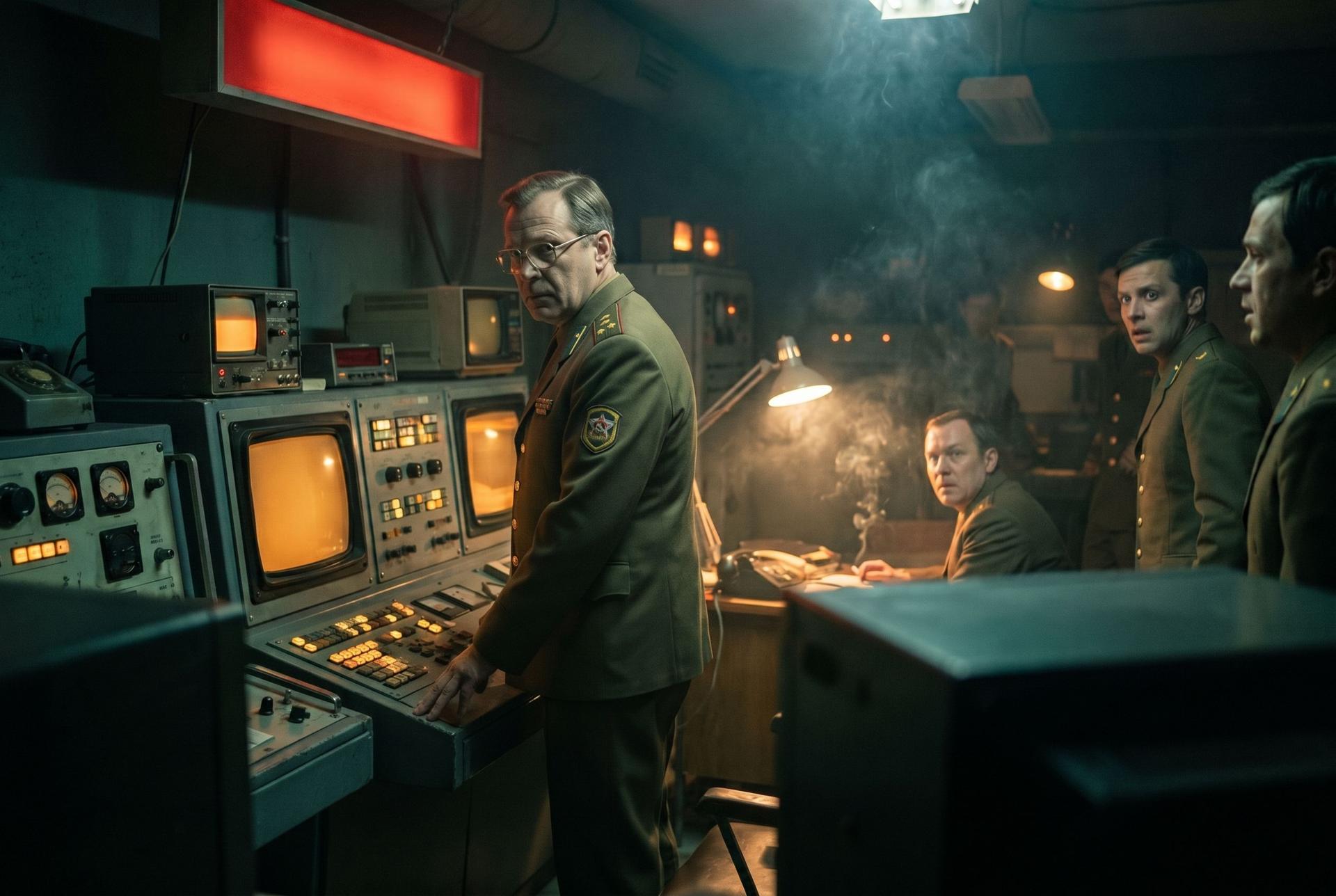
FATEFUL CHOICES · 26 SEP 1983 · SERPUKHOV-15, USSR
False alarm, 1983
A quarter past midnight, 26 September 1983. In a bunker south of Moscow, a screen says five American missiles are on their way, and duty officer Stanislav Petrov has minutes to decide what to tell the Kremlin. In our timeline he called it a malfunction. This is the timeline where he follows protocol.

FATEFUL CHOICES · 28 JUN 1914 · SARAJEVO
A wrong turn, corrected, at Sarajevo
28 June 1914. A bomb has already missed the archduke once this morning. His route changes; in our timeline, nobody tells the driver, the car stalls two paces from Gavrilo Princip, and the century catches fire. This is the timeline where someone says one sentence in time.
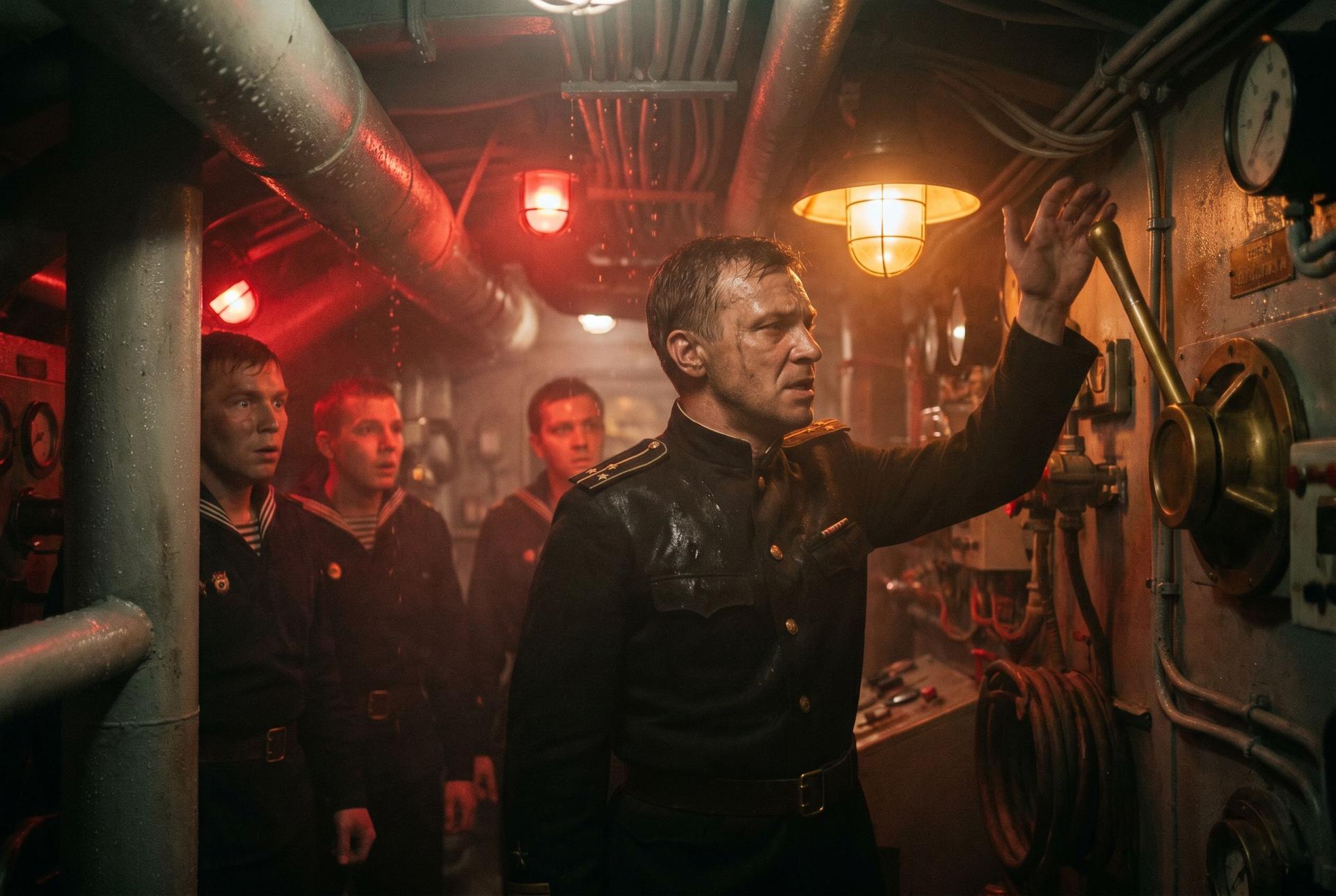
FATEFUL CHOICES · 27 OCT 1962 · THE SARGASSO SEA
The man who said no
27 October 1962, the deepest hour of the Cuban Missile Crisis. Aboard the Soviet submarine B-59, firing the nuclear torpedo takes three officers. Two have said yes. This is the timeline where the third says yes as well.