WHAT NEVER FELL
What Never Fell
What-if timelines where the thing that fell in our world never falls: empires that endure, walls that stand, lines that hold. The atlas charts what such a world becomes.
15 charted timelines in this galaxy
What Never Fell
15What fell in our timeline, doesn’t.

WHAT NEVER FELL · 9 OCT 1911 · HANKOU
The last Qing summer
Hankou, 9 October 1911. In a safe house in the Russian concession, a revolutionary is packing explosives beside the membership lists of every plotter in the New Army. This is the timeline where the fuse stays dry until evening.
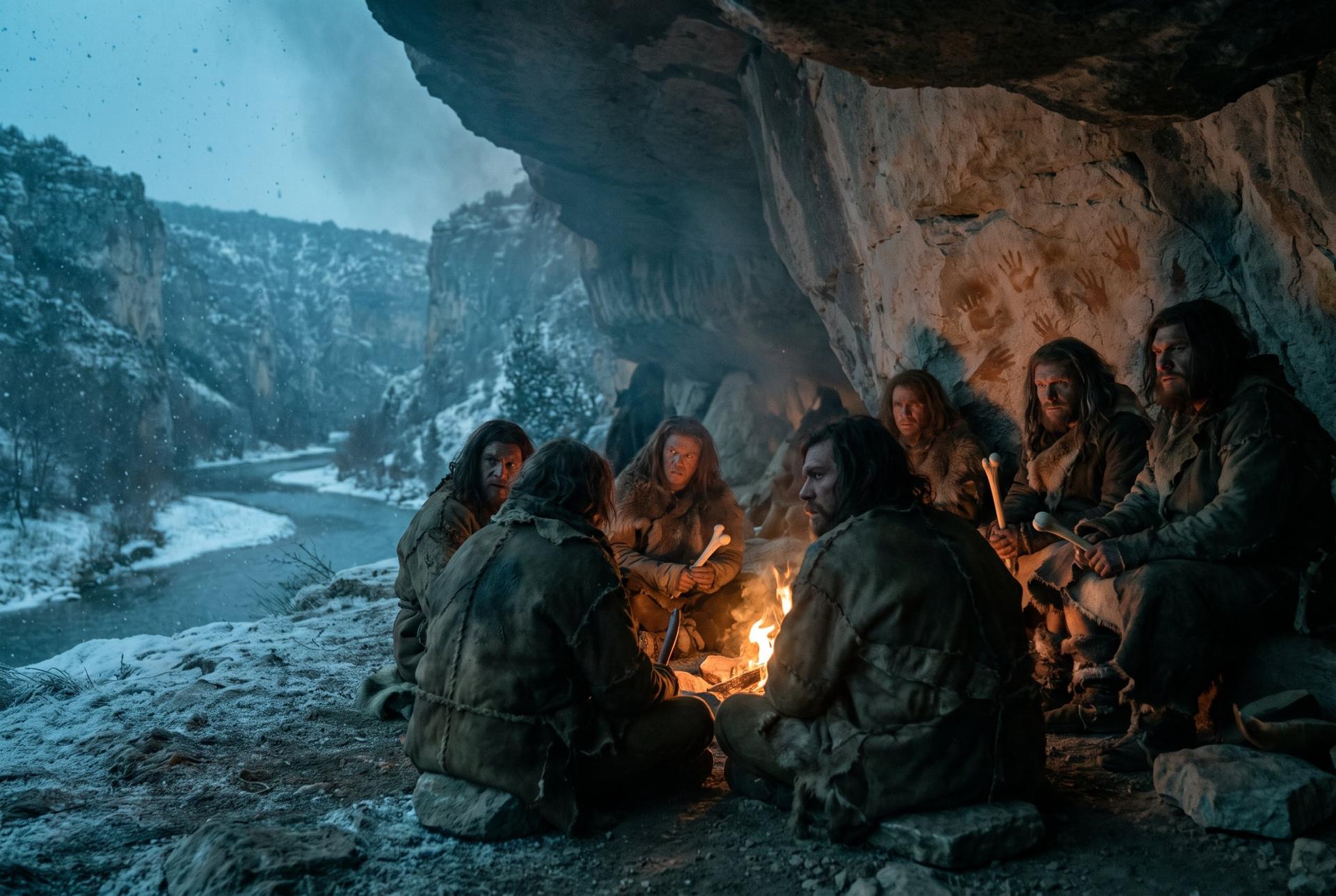
WHAT NEVER FELL · 40,000 BP · IBERIA
The other people endure
Iberia, forty thousand years ago. The last bands of the other human kind are wintering in the river gorges, and the cold is deciding. This is the timeline where the winters relent one lifetime sooner.
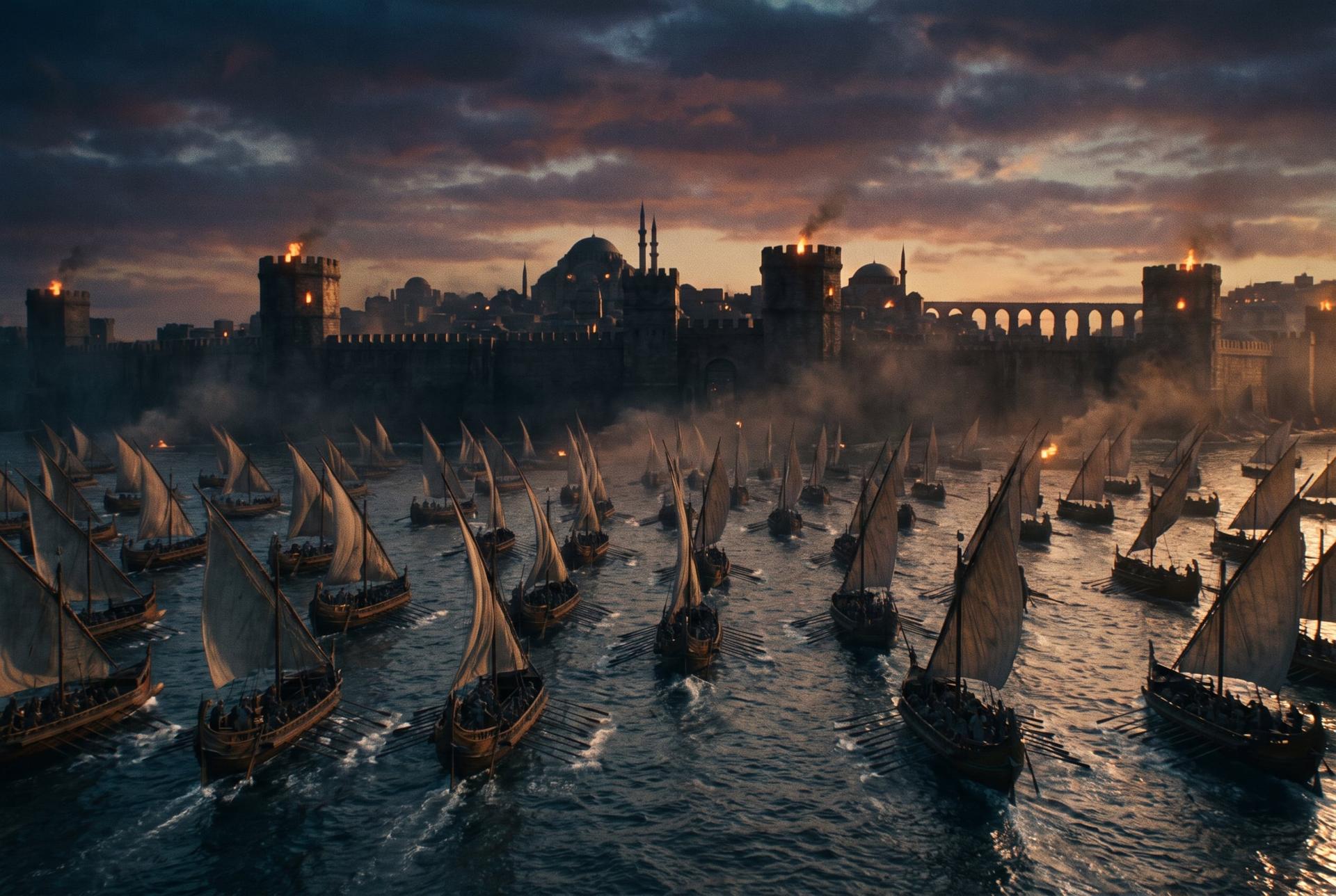
WHAT NEVER FELL · 717 · CONSTANTINOPLE
Constantinople, 717
The Golden Horn, autumn 717. Eighty thousand besiegers ring the city, and its defense hangs on a secret liquid fire and a hard winter. This is the timeline where the fire's makers are not inside the walls.
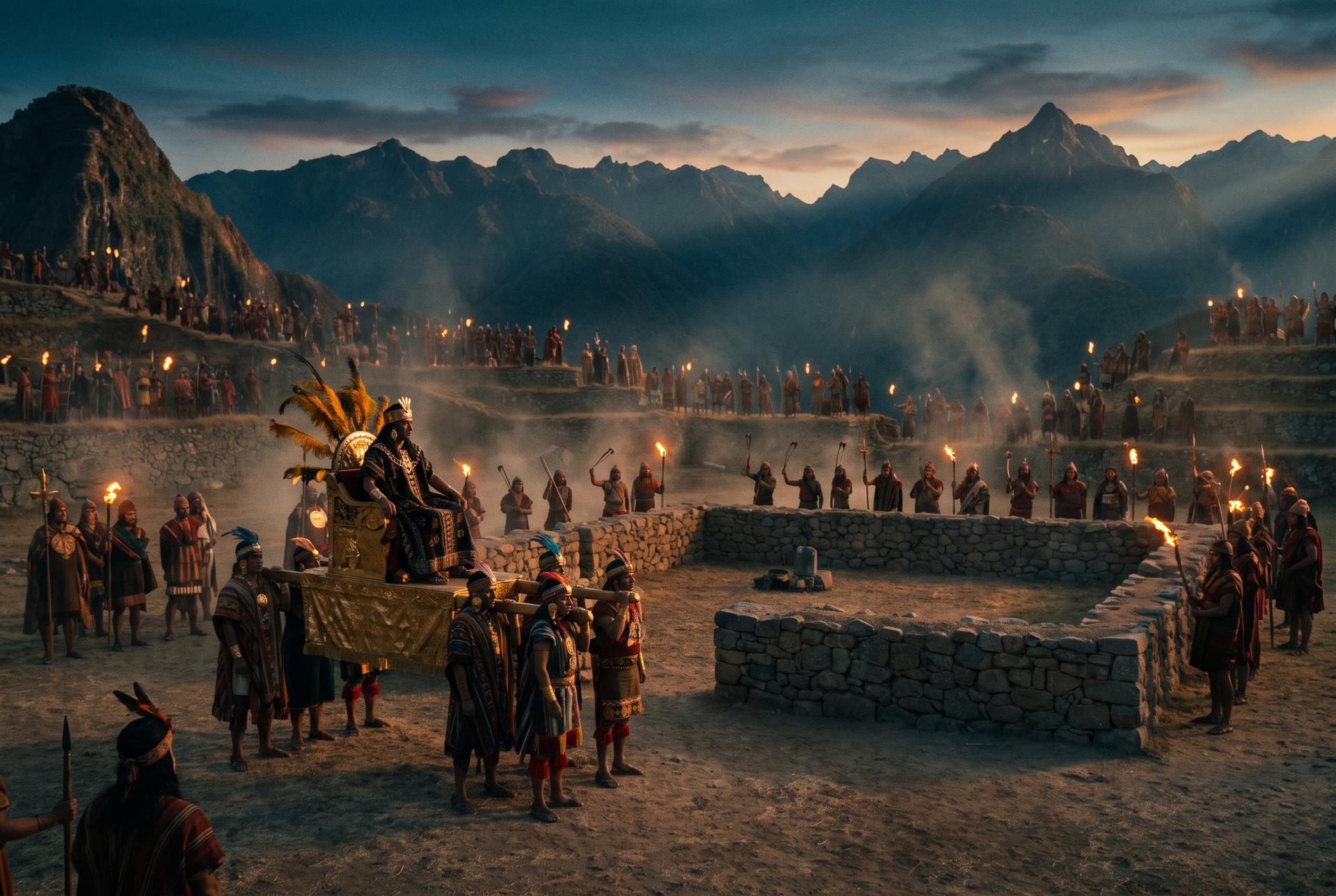
WHAT NEVER FELL · 16 NOV 1532 · CAJAMARCA
Cajamarca refuses the ambush
The Andes, 16 November 1532. An emperor with eighty thousand soldiers is about to enter a small square, unarmed, to meet one hundred and sixty-eight strangers. This is the timeline where his scouts finish their count.
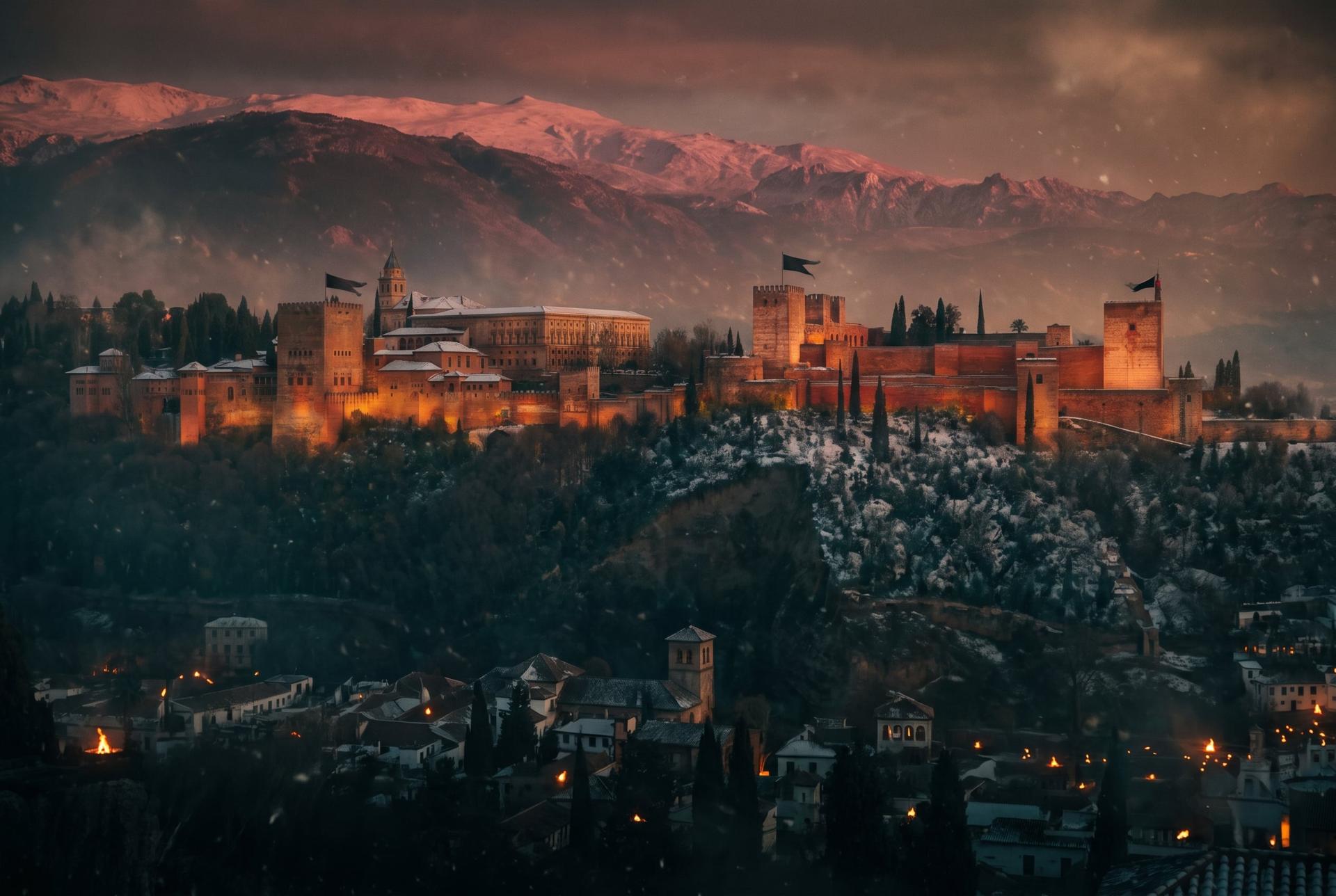
WHAT NEVER FELL · WINTER 1491 · GRANADA
Al-Andalus endures
Granada, winter 1491. The last Muslim state in Iberia is starving behind its walls while its princes feud. This is the timeline where the feud ends, the corsairs come, and the siege breaks.
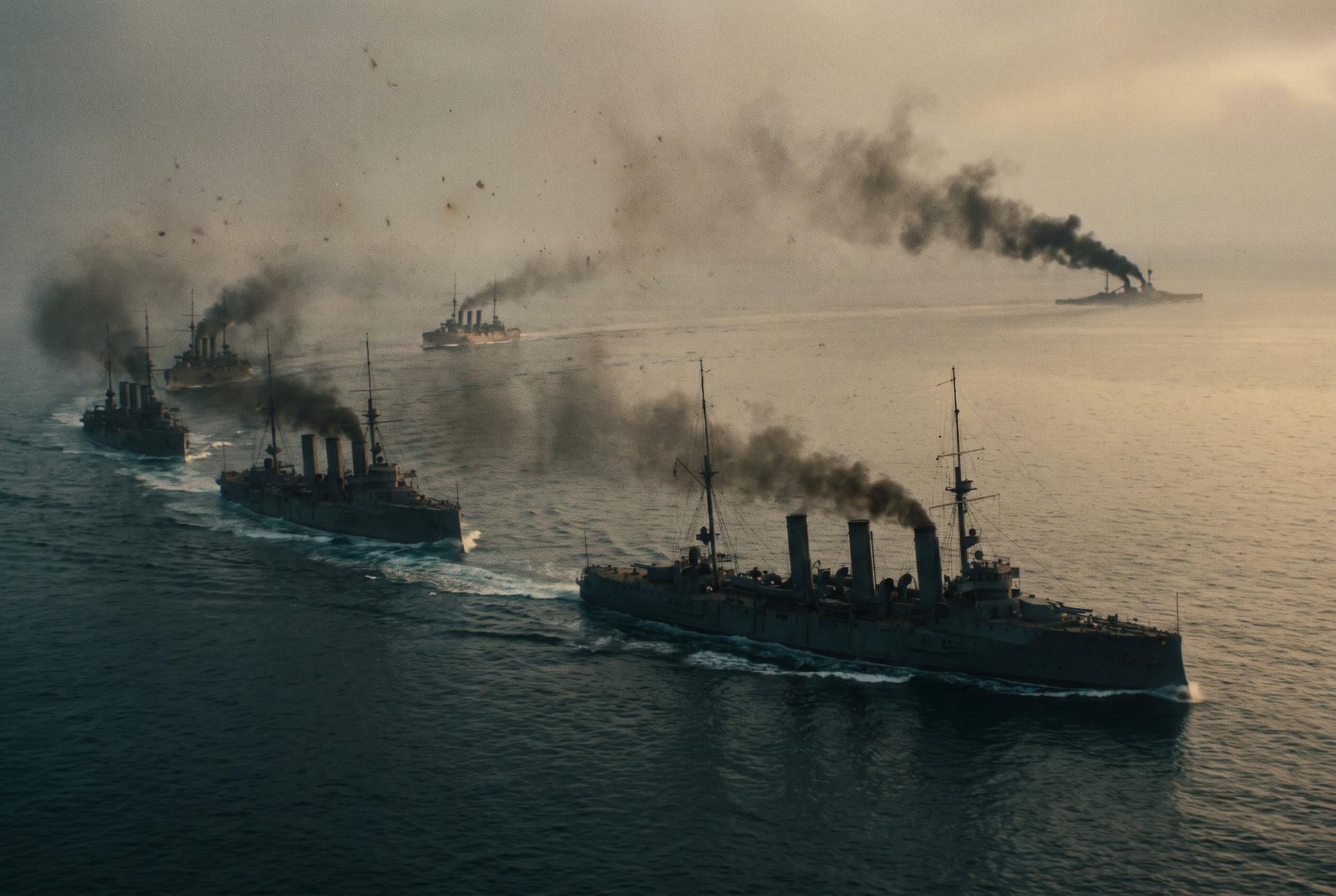
WHAT NEVER FELL · 7 AUG 1914 · THE IONIAN SEA
The peace of the steppes
The Ionian Sea, 7 August 1914. Two German warships are running for Constantinople with a war in their wake, and a British admiral is deciding whether to fight them. This is the timeline where he turns to engage.
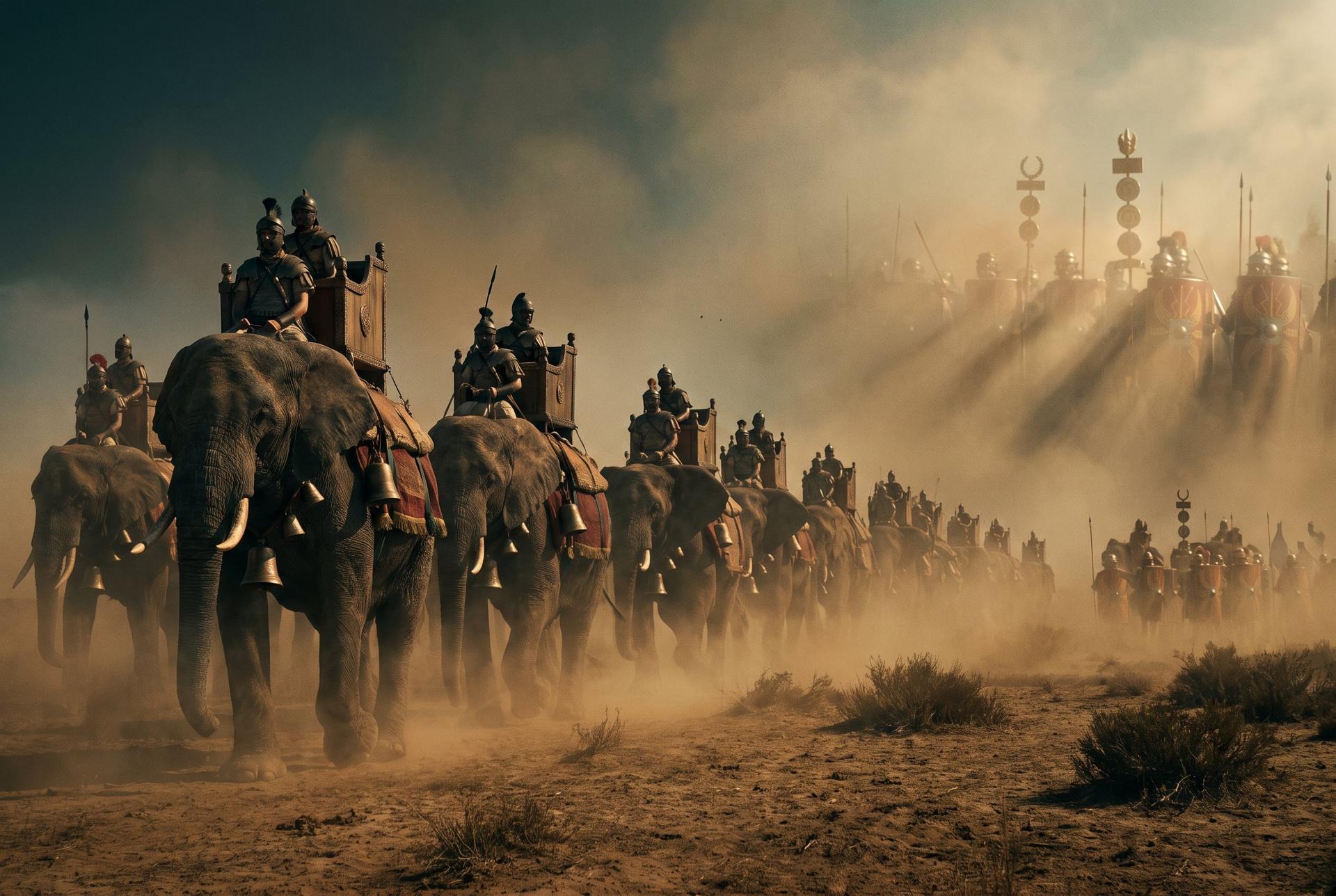
WHAT NEVER FELL · 202 BC · ZAMA
Carthage must stand
Zama, 202 BC. Eighty war elephants are about to charge into cleverly opened Roman lanes and be wasted. This is the timeline where the dust hides the trick, and the charge goes home.
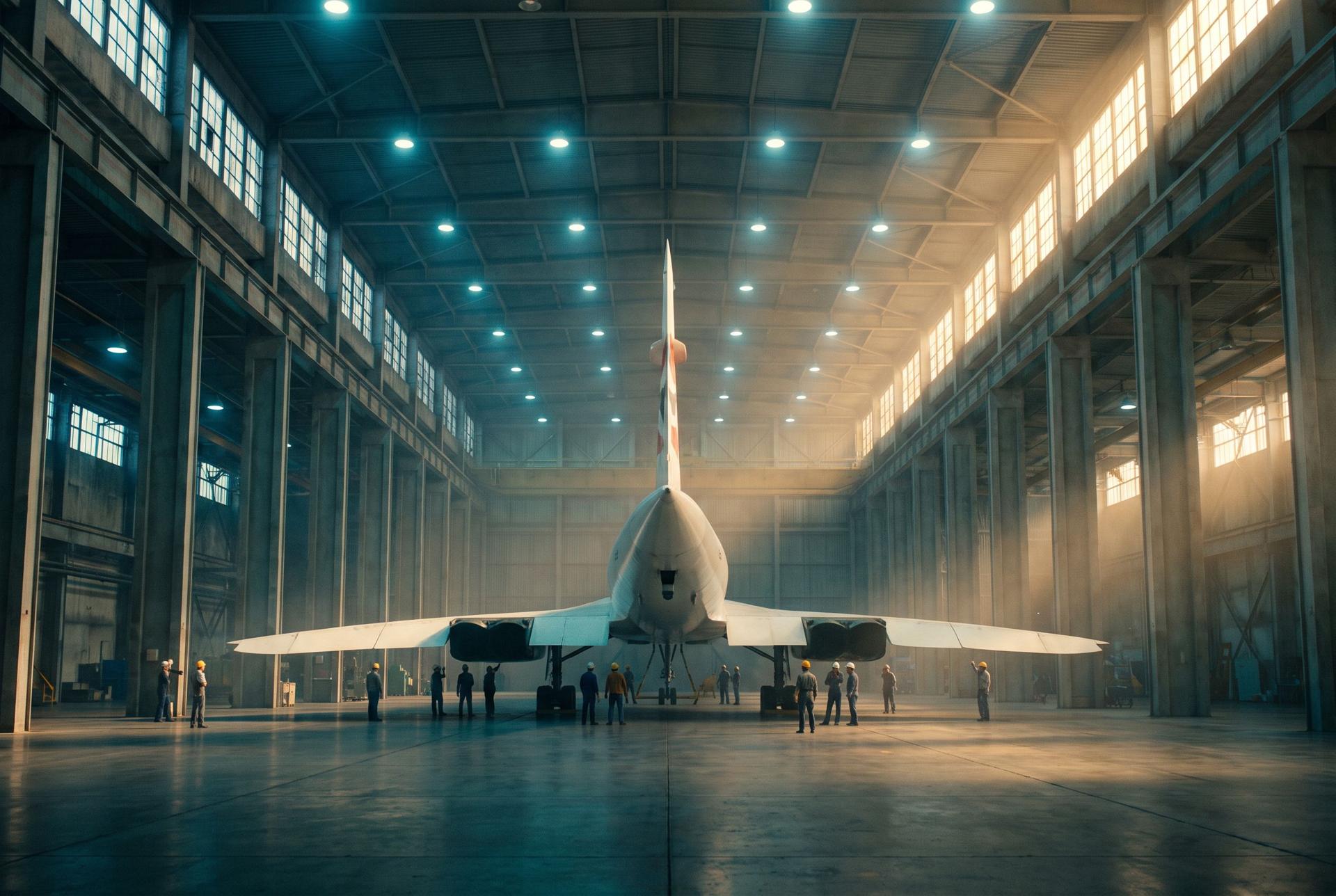
WHAT NEVER FELL · 24 MAR 1971 · WASHINGTON
The sky that kept its thunder
In March 1971 the United States Senate voted, 51 to 46, to cancel the Boeing 2707 and abandon supersonic flight. This is the timeline where three senators chose otherwise, the American delta flew, and the world learned to cross an ocean before lunch.
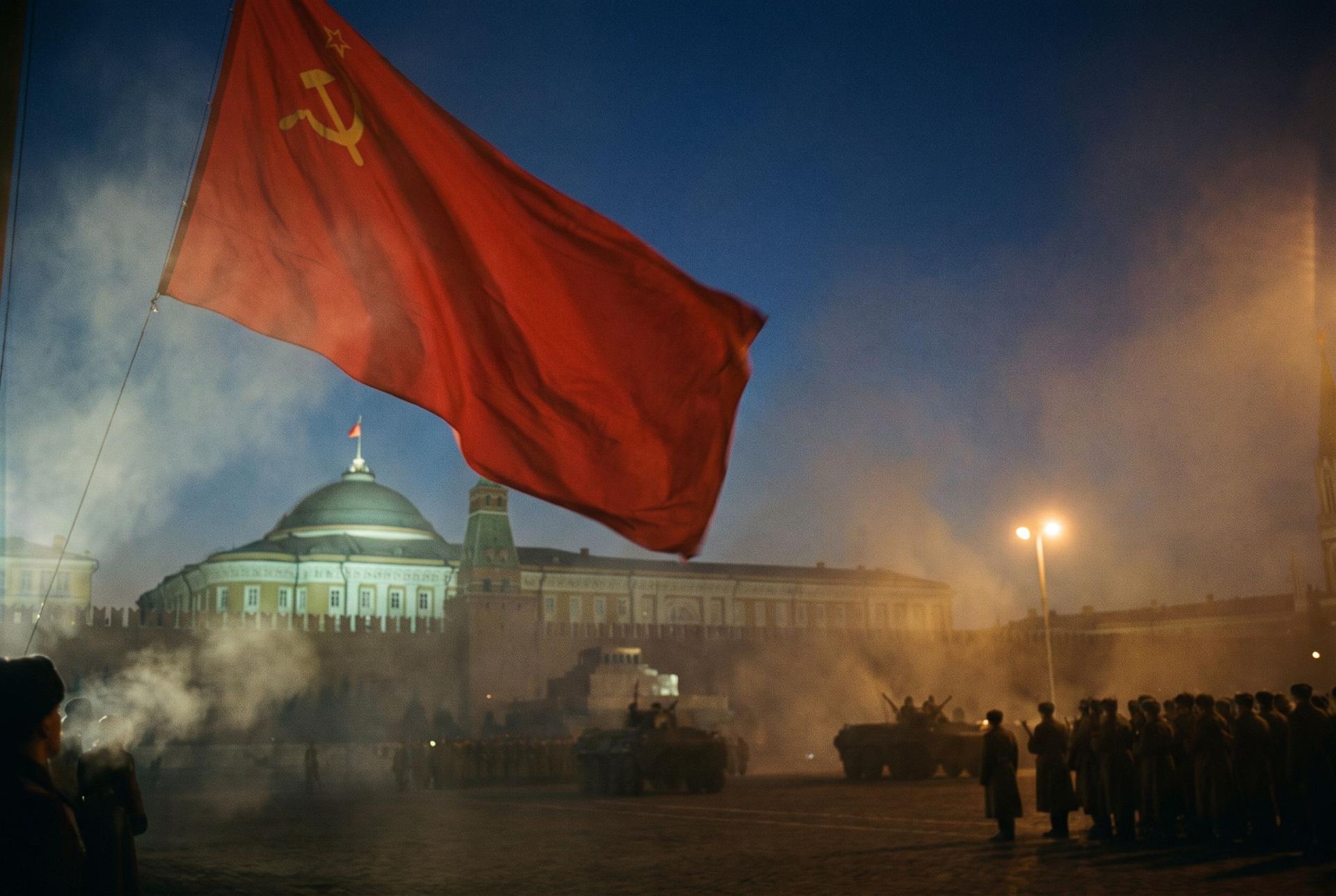
WHAT NEVER FELL · 19 AUG 1991 · MOSCOW
The hands that did not shake
August 1991, the last summer of the Soviet Union. Eight men seize power to stop the country from dissolving, and in our timeline their nerve fails within three days. This is the timeline where it holds.
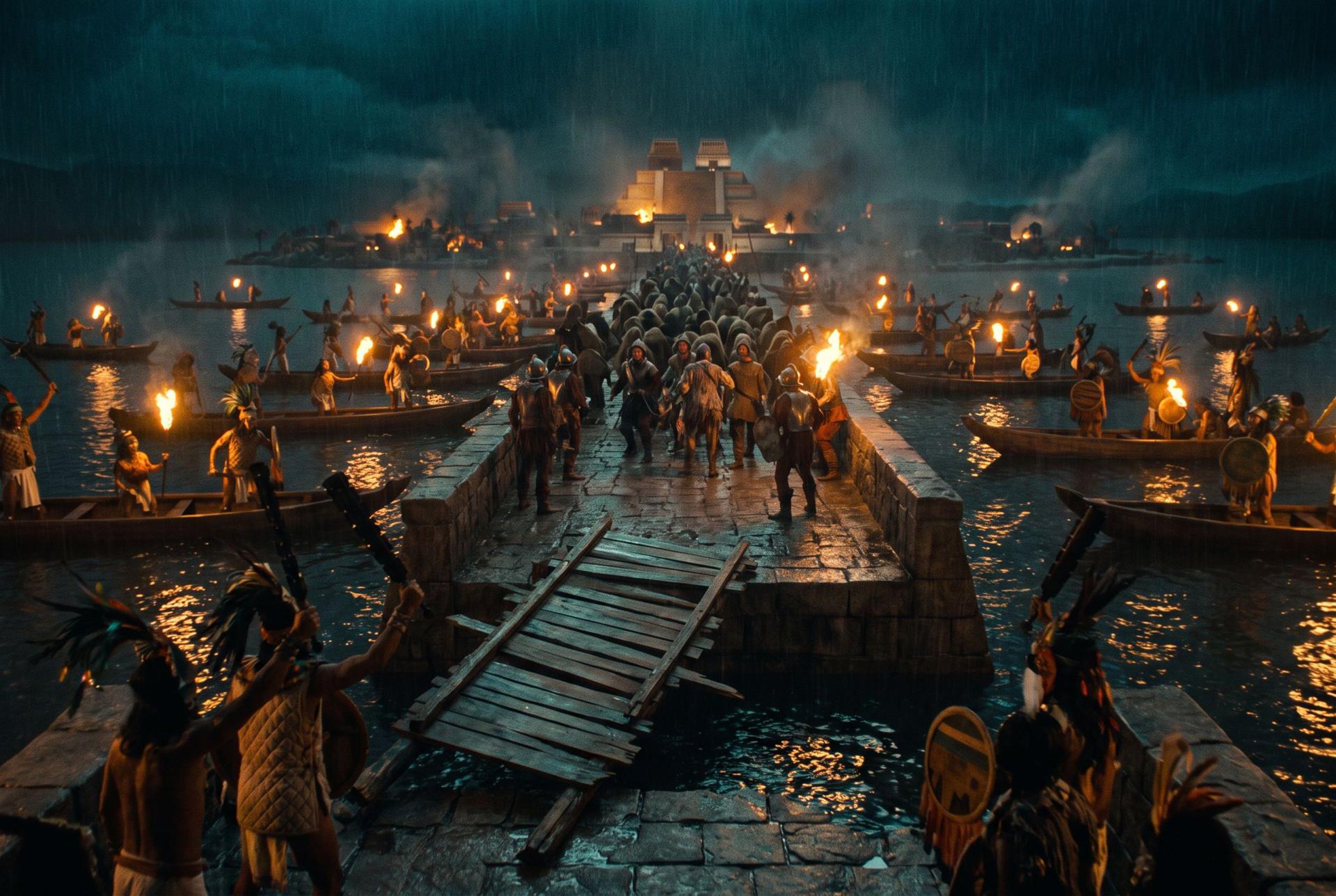
WHAT NEVER FELL · 1520 · TENOCHTITLAN
The lake city holds
The night of 30 June 1520: Hernan Cortes and his army are fleeing Tenochtitlan across a causeway over the lake, a portable bridge their only way past the gaps. In our timeline enough of them clawed across the dead to escape. This is the timeline where the causeway keeps them, and the city on the lake does not fall.
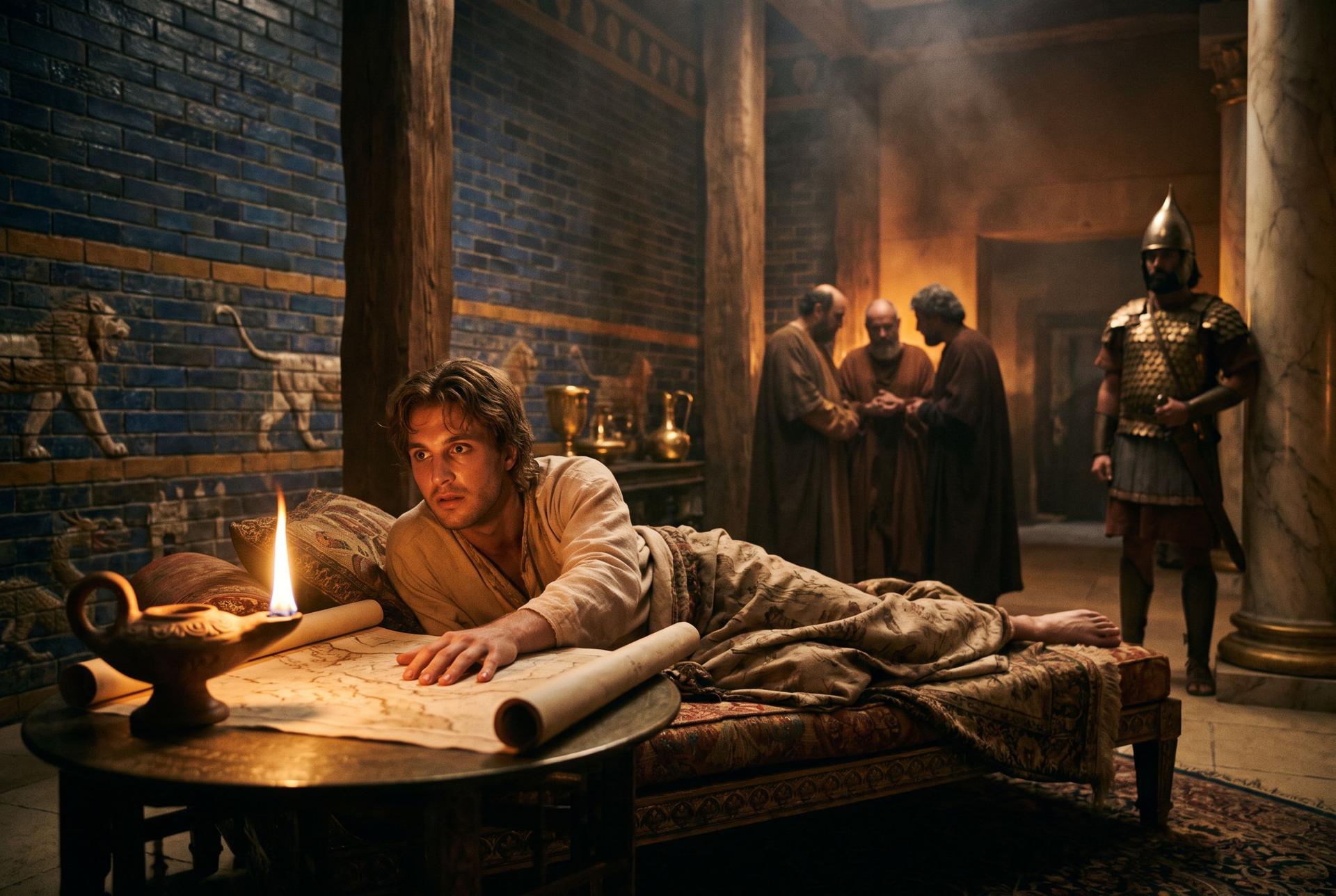
WHAT NEVER FELL · 323 BC · BABYLON
The fever breaks
For ten days in the summer of 323 BC, a fever holds Alexander the Great in Babylon, and a fleet waits to carry him past the last blank edge of the map. This is the timeline where, on the tenth night, the fever breaks and the king wakes.

WHAT NEVER FELL · MAR 1917 · PETROGRAD
The tsar keeps his throne
In March 1917 a week of bread riots and a garrison mutiny ended three centuries of Romanov rule; the Duma’s president wired the tsar that the last hour had struck, and the tsar called it nonsense and dissolved the Duma instead. This is the timeline where he signs the other paper.
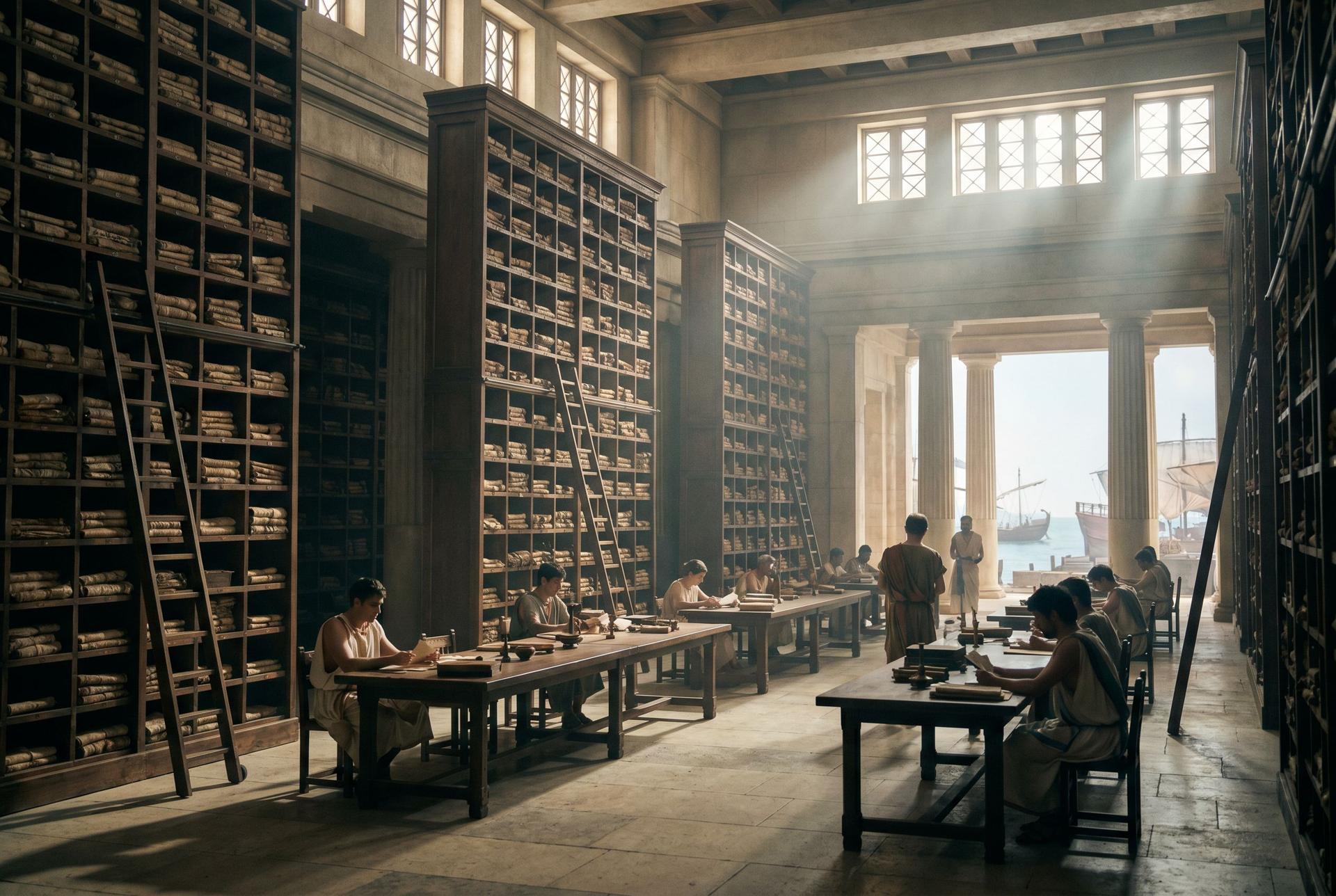
WHAT NEVER FELL · 48 BC ONWARD · ALEXANDRIA
The Library of Alexandria never burns
The ancient world kept its entire memory in one building in one city, and history spent seven centuries misplacing it. This is the timeline where one librarian read the warning in Caesar’s dockfire, and made forgetting impossible.
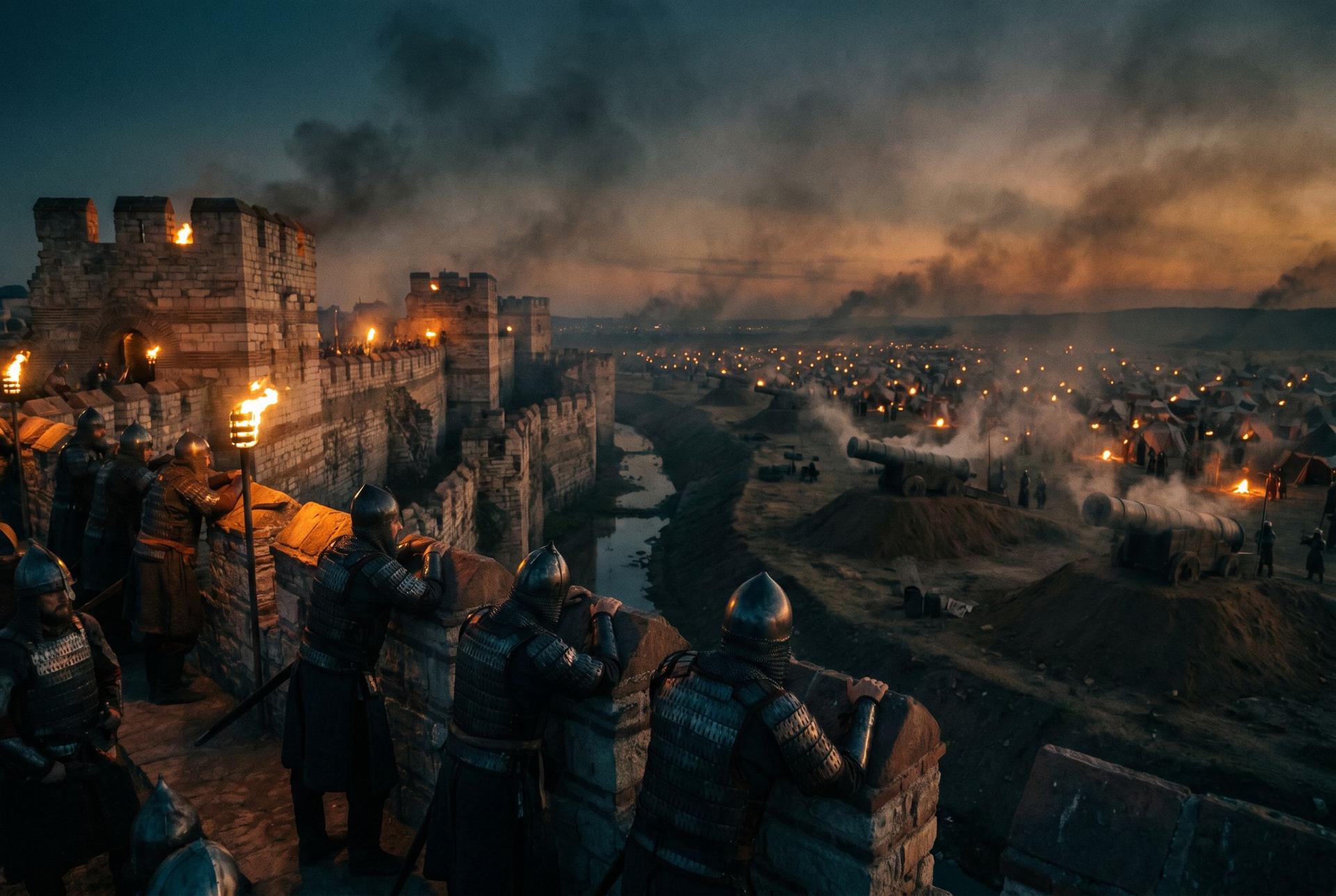
WHAT NEVER FELL · 29 MAY 1453 · THE THEODOSIAN WALLS
Constantinople holds in 1453
The fifty-third day of the siege. The great bombard has opened the wall, the last emperor stands in the breach, and the defense turns on one Genoese captain staying on his feet. In our timeline a shot found him at the worst hour. This is the timeline where it missed.
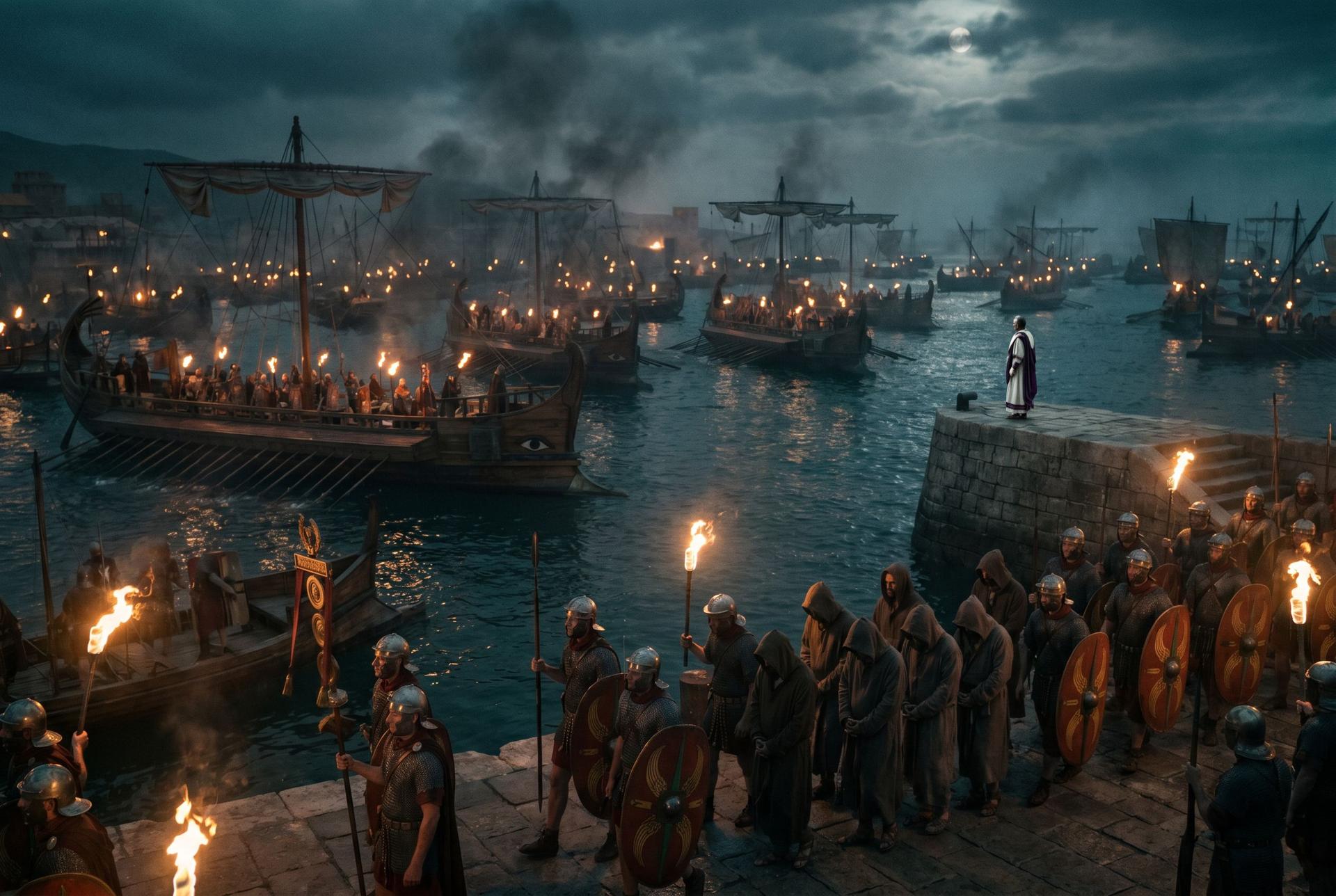
WHAT NEVER FELL · AD 460 · CARTAGENA, HISPANIA
Rome never falls
Cartagena, AD 460. Three hundred Roman warships lie at anchor, built to take Africa back from the Vandals and save the West. In our timeline, traitors let the Vandals burn that fleet, and within sixteen years there was no Western Rome to save. This is the timeline where the traitors were caught the night before.