VOYAGES BEYOND
Voyages Beyond
Journeys that went further than they did: fleets that crossed, expeditions that survived, sails on horizons our timeline never saw. Where a longer voyage leads by today.
10 charted timelines in this galaxy
Voyages Beyond
10A journey goes further than it did.
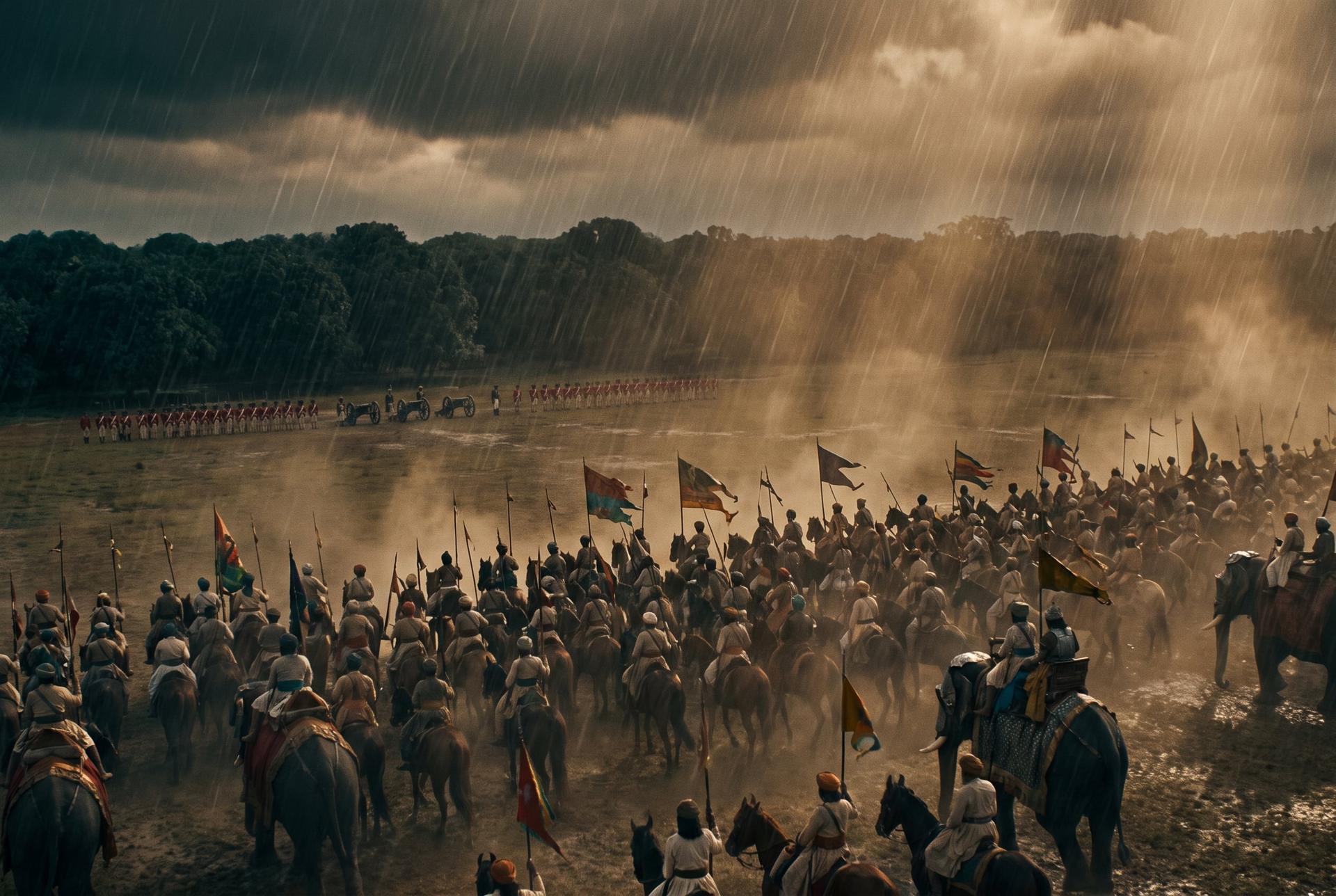
VOYAGES BEYOND · 23 JUN 1757 · PLASSEY
Plassey stays loyal
Bengal, 23 June 1757. Half the Nawab's army is standing still under a bought general, waiting out the battle that will hand India to a trading company. This is the timeline where the general keeps his faith.
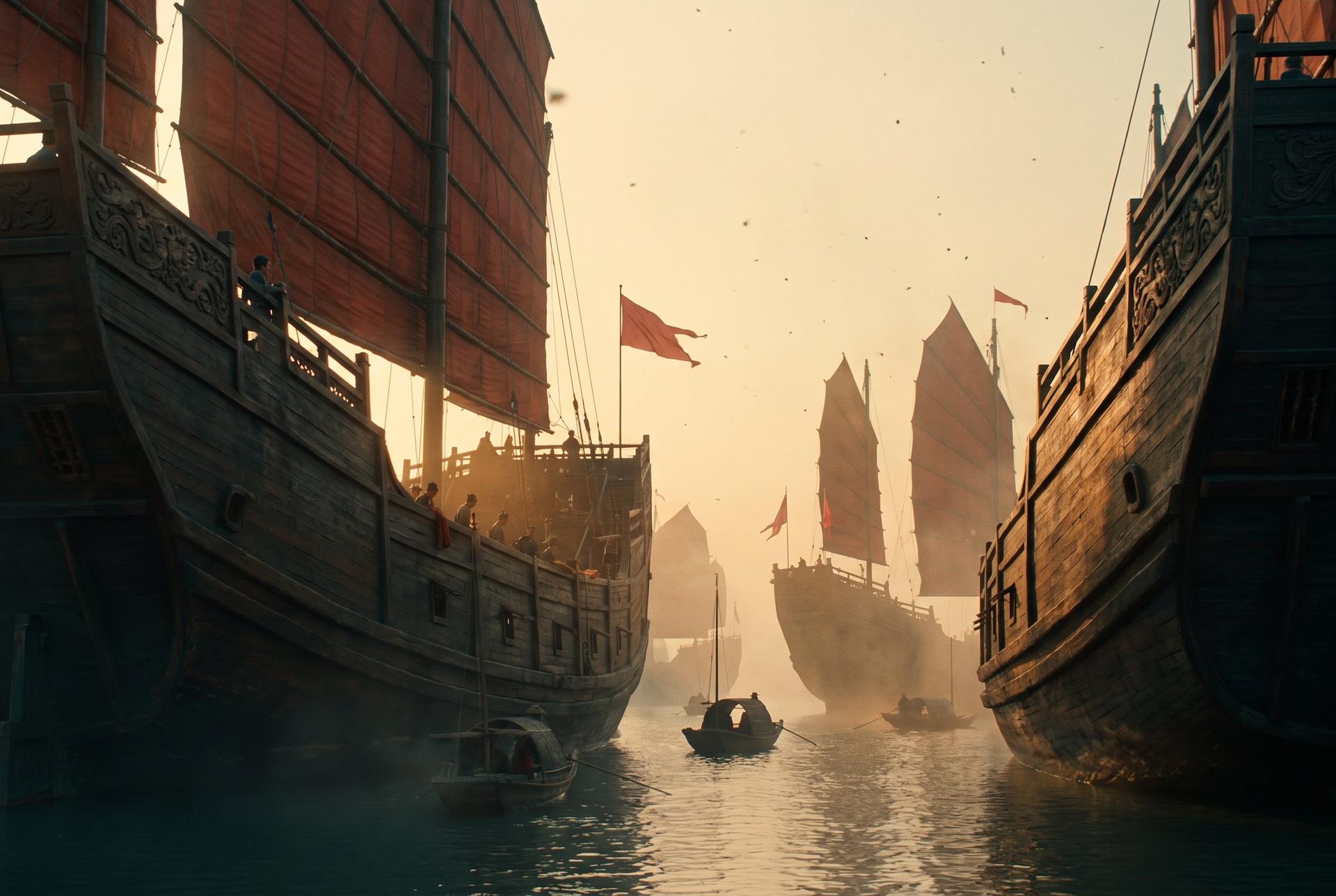
VOYAGES BEYOND · 1436 · BEIJING
The treasure fleet sails on
Beijing, 1436. A boy emperor's ministers are drafting the edict that will end China's ocean voyages forever. This is the timeline where the edict is never issued, and the great fleet keeps the sea.

VOYAGES BEYOND · 1968 · THE SEA OF TRANQUILITY
The Chief Designer lives
14 January 1966, a Moscow operating theatre. The anonymous genius the Soviets call only the Chief Designer is bleeding to death under a surgeon's hands. This is the timeline where the bleeding stops.
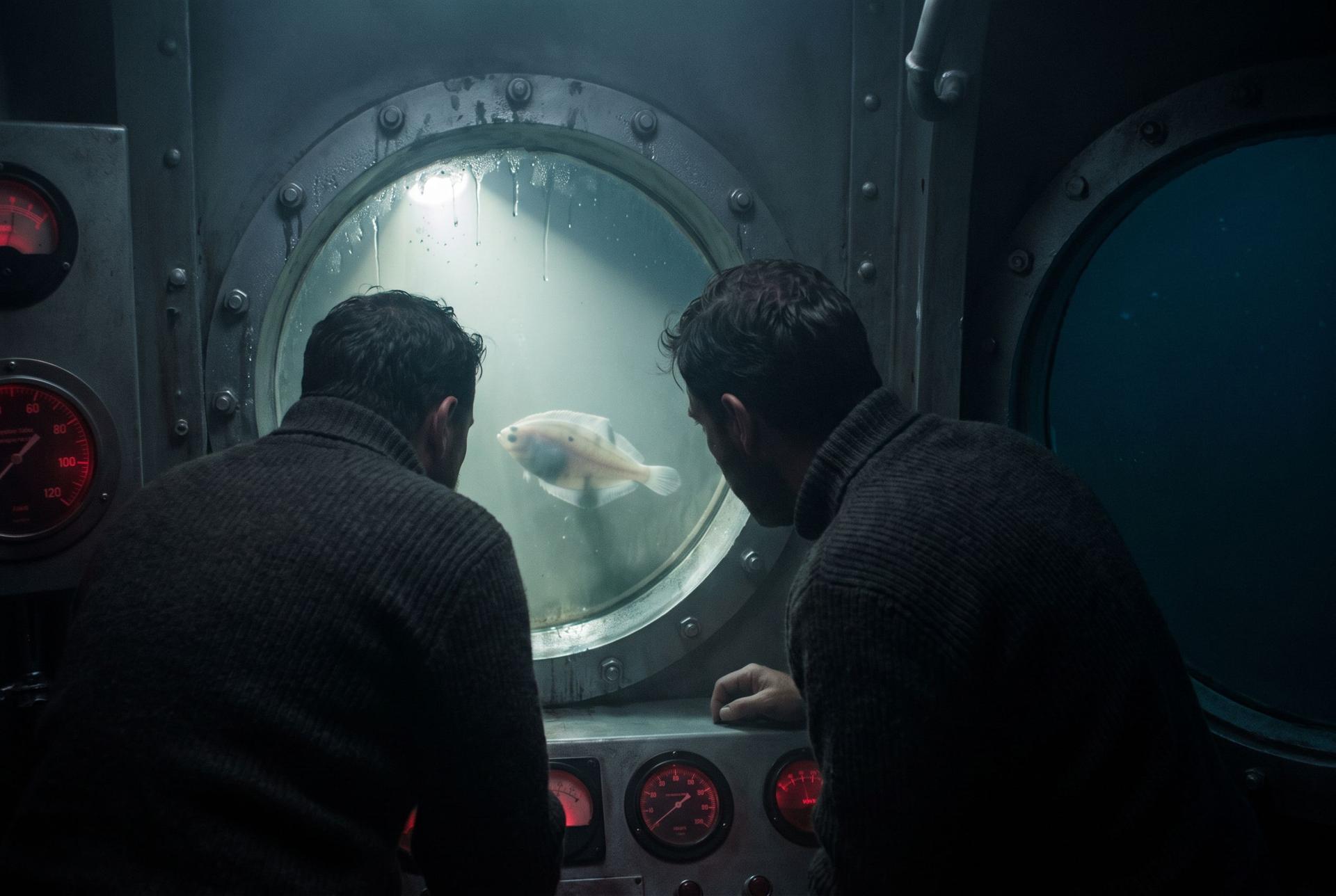
VOYAGES BEYOND · 23 JAN 1960 · THE CHALLENGER DEEP
The lamp at the bottom of the world
On 23 January 1960 two men in a steel sphere reached the deepest point on Earth, and then the age turned its back on the sea and reached for the Moon instead. This is the timeline where the century chose to go down.
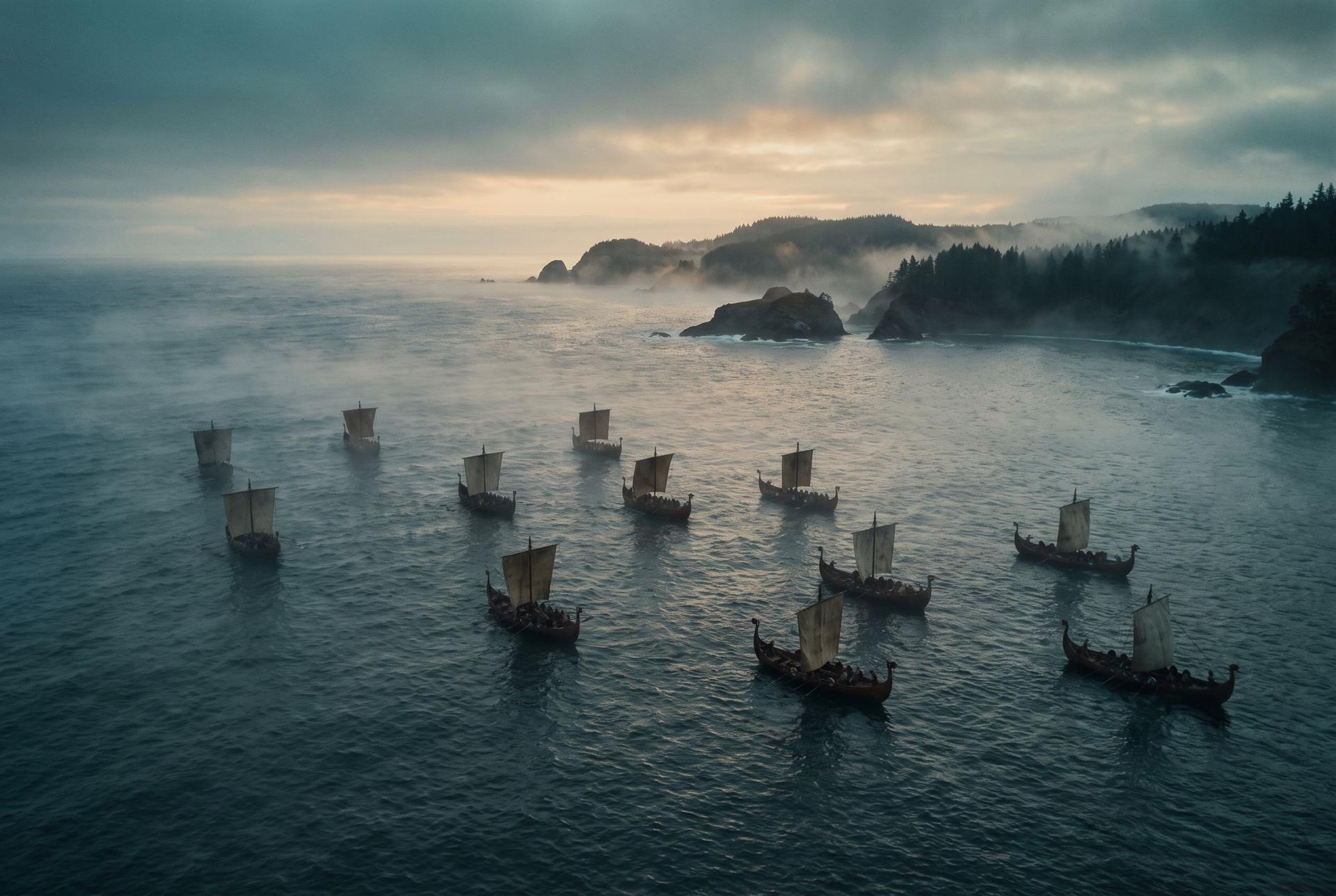
VOYAGES BEYOND · 1021 · VINLAND
The second fleet sails with families
Around the year 1000, Norse ships from Greenland reached a coast they called Vinland, the wine land, then gave it up after a few blood-soaked winters and the long distance home. In our timeline the camp at L'Anse aux Meadows lasted only a handful of years. This is the timeline where a larger second fleet arrives with families, livestock, and the patience to stay.
VOYAGES BEYOND · 1915 · THE WEDDELL SEA
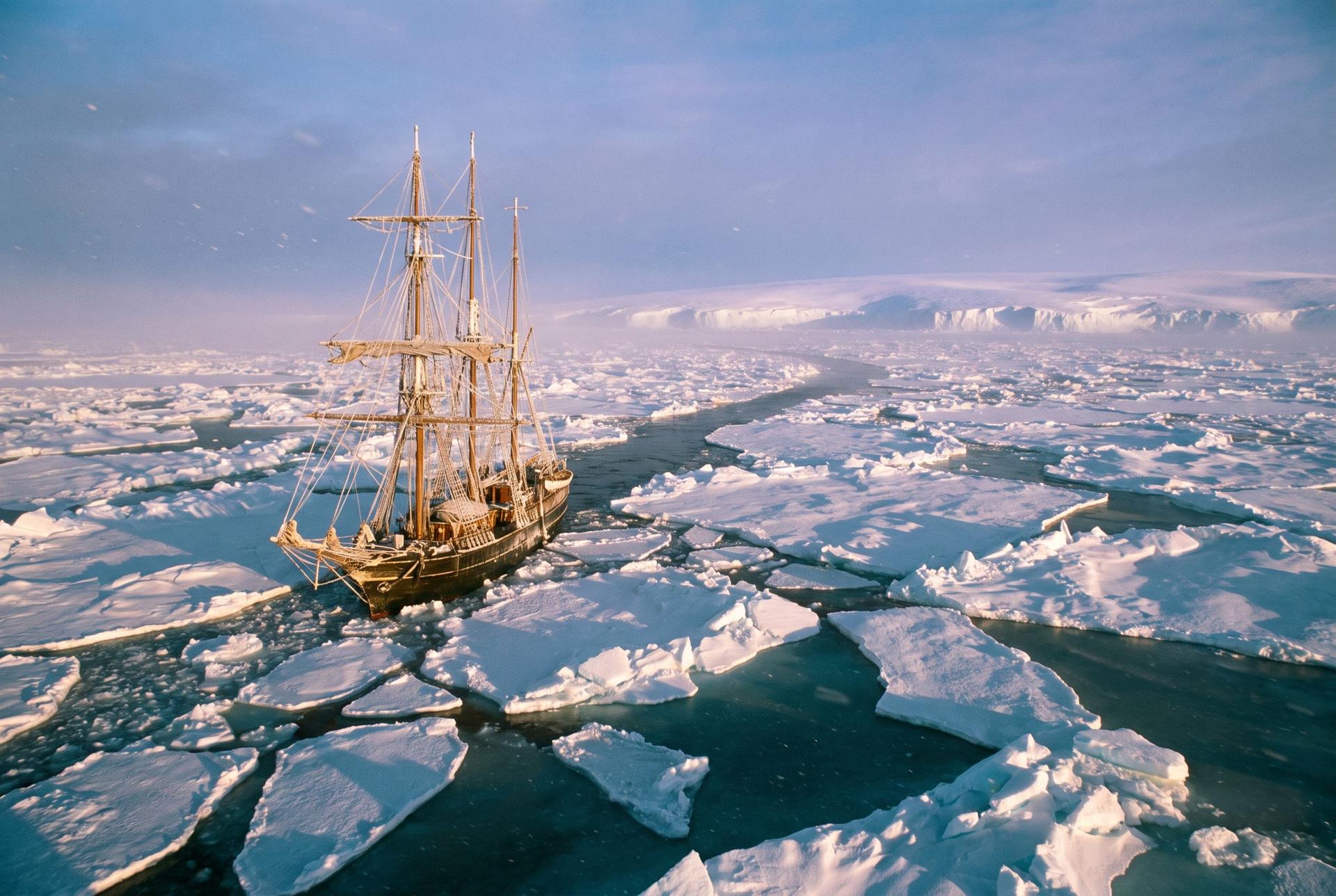
The Endurance holds
January 1915, the Weddell Sea. Ernest Shackleton's Endurance lies a day's sail from Vahsel Bay, where the first crossing of Antarctica is to begin, when the pack ice closes to crush her. This is the timeline where a lead opens instead, and the ship goes through.
VOYAGES BEYOND · C. 1200 · THE PACIFIC COAST
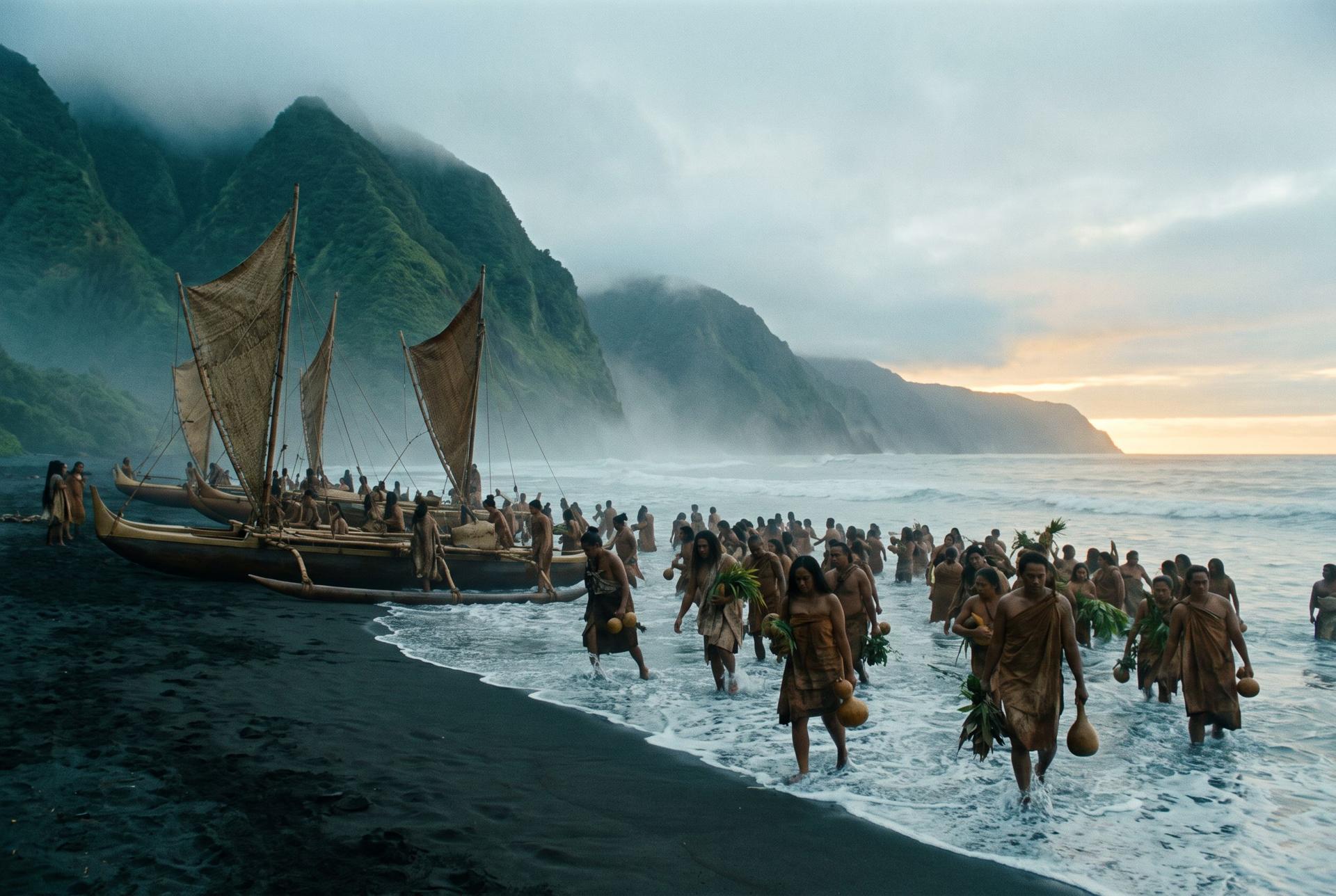
The canoes make landfall
Around 1200 a Polynesian voyaging fleet, having crossed the largest ocean on Earth by star and swell, does not turn for home but settles the American Pacific coast and keeps the searoad open in both directions.
VOYAGES BEYOND · 1492 · THE OCEAN SEA
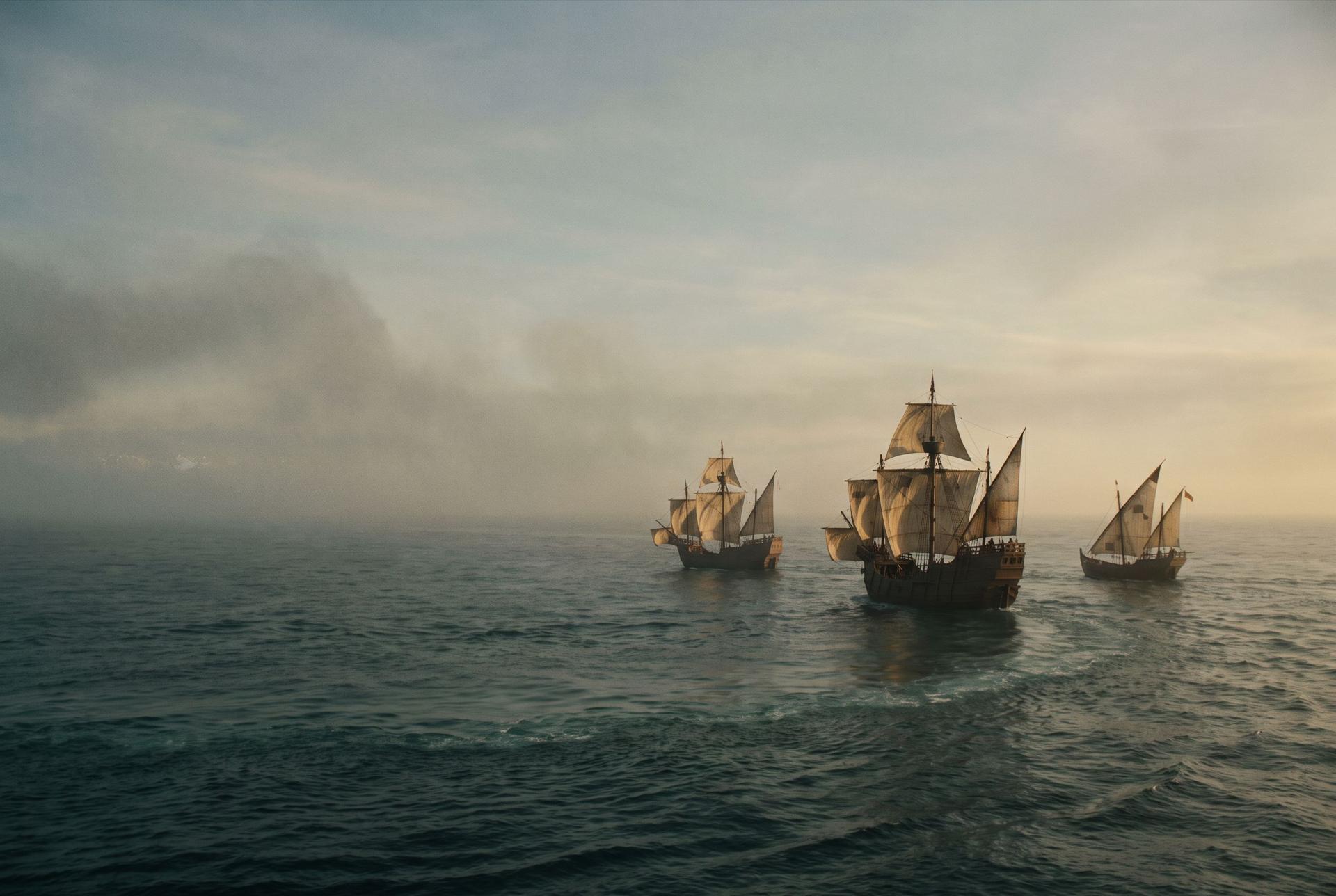
The caravels come about
October 1492, weeks past any landfall Columbus had promised, his crews near mutiny in the middle of the Ocean Sea. He had agreed to turn back if no land appeared within two or three days. This is the timeline where the deadline passed empty, and the caravels came about for Spain.

VOYAGES BEYOND · 11 SEP 1683 · VIENNA
The sultan takes Vienna
By 11 September 1683 the Ottoman mines had opened Vienna’s walls and the city had days to live; the relief army crested the hills that same morning, one march from too late. This is the timeline where the bridges at Tulln cost one more day.
VOYAGES BEYOND · 1421 · THE UNKNOWN OCEAN
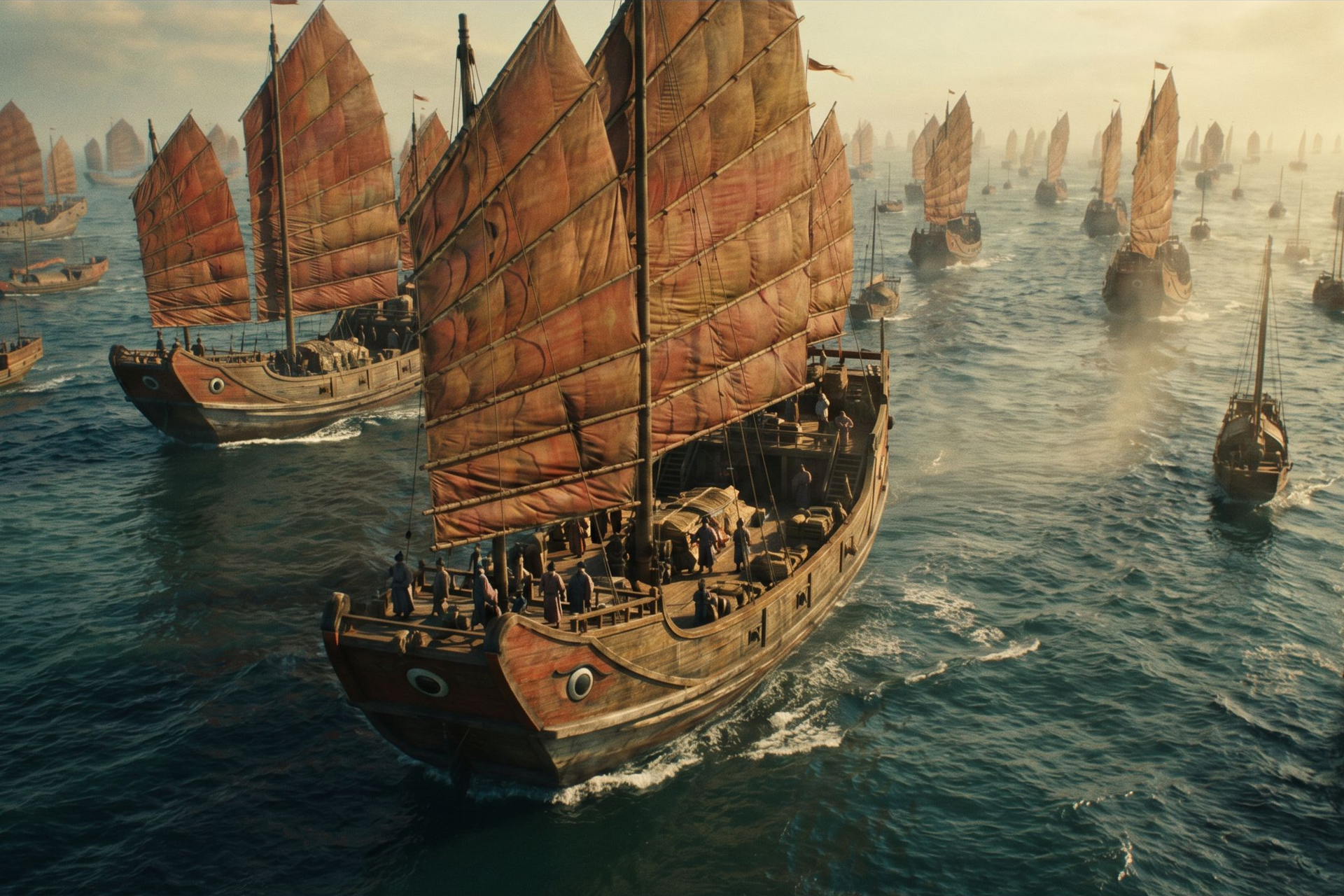
Zheng He's treasure fleet reaches the Americas
The sixth voyage, 1421. The greatest fleet on Earth stands off the coast of Africa, done with the known world, and its admiral must decide whether the ocean has another side. In our timeline the fleet turned for home, and China burned its ships within a generation. This is the timeline where it sailed on east.