FORCES OF NATURE
Forces of Nature
What-ifs of nature unleashed or withheld: the asteroid that misses, the eruption evacuated, the superstorm that hits. The planet bends, and history bends with it.
8 charted timelines in this galaxy
Forces of Nature
8Nature bends: the mountain, the storm, the stone from space.

FORCES OF NATURE · 23 JUL 2012 · EARTH
Nine days early
In July 2012 the Sun threw off the most violent storm of the space age, a Carrington-class cloud that crossed Earth's orbit and found the planet nine days gone from the spot. This is the timeline where it came nine days early, and a wired civilization was standing in its path.

FORCES OF NATURE · 15 FEB 2013 · CHELYABINSK
The stone the sun hid
15 February 2013, a Friday morning over the southern Urals. In our timeline a twenty-meter stone burst twenty-three kilometers above Chelyabinsk, and its worst wound was broken glass, filmed on a thousand dashboards. This is the timeline where the stone was three times as wide, and came in low over the city.
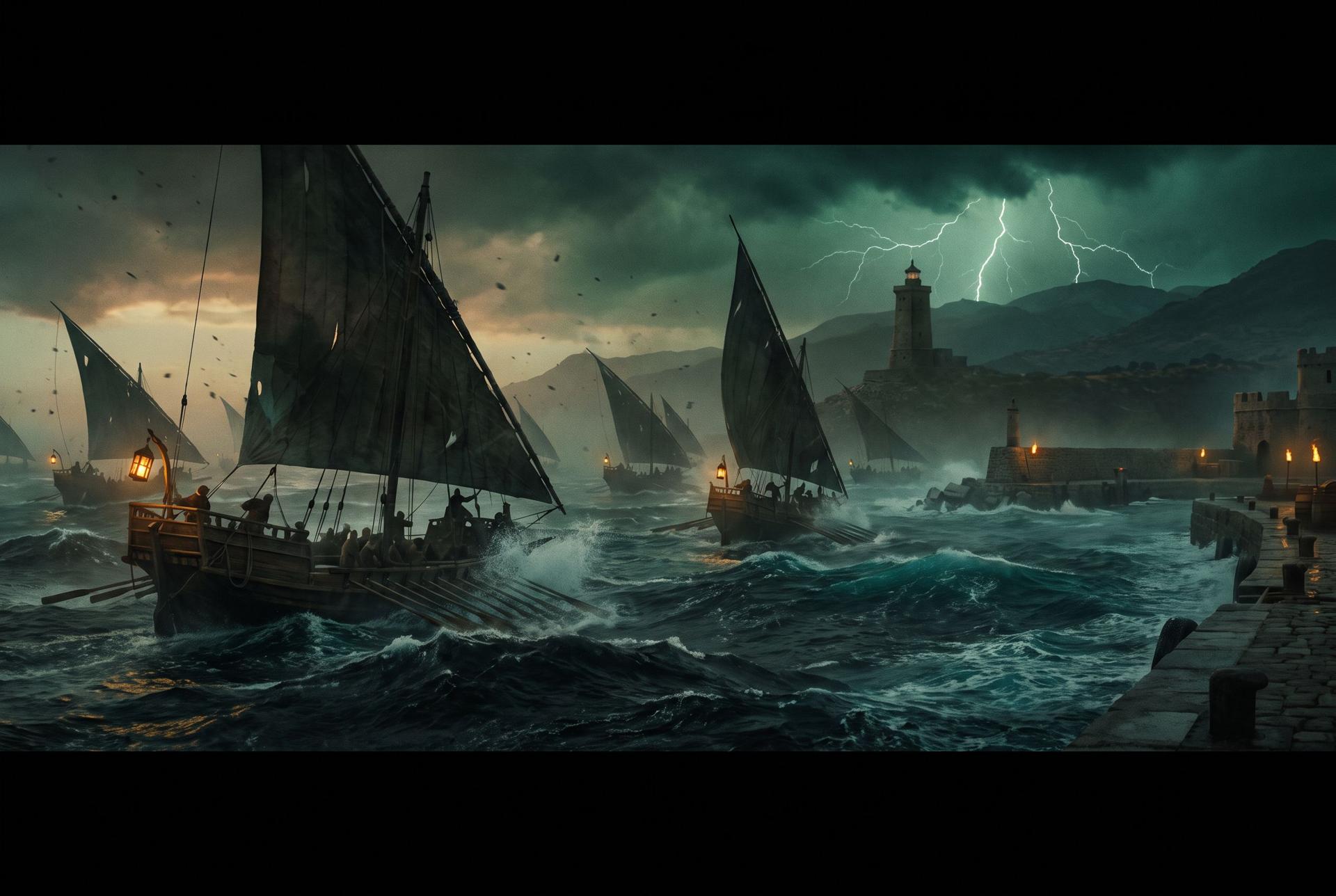
FORCES OF NATURE · 1347 · MESSINA
The galleys never dock
In October 1347, twelve Genoese galleys carry the Black Death west toward the harbor of Messina, the first door by which the plague enters Europe. This is the timeline where an autumn storm takes the ships before they can dock.
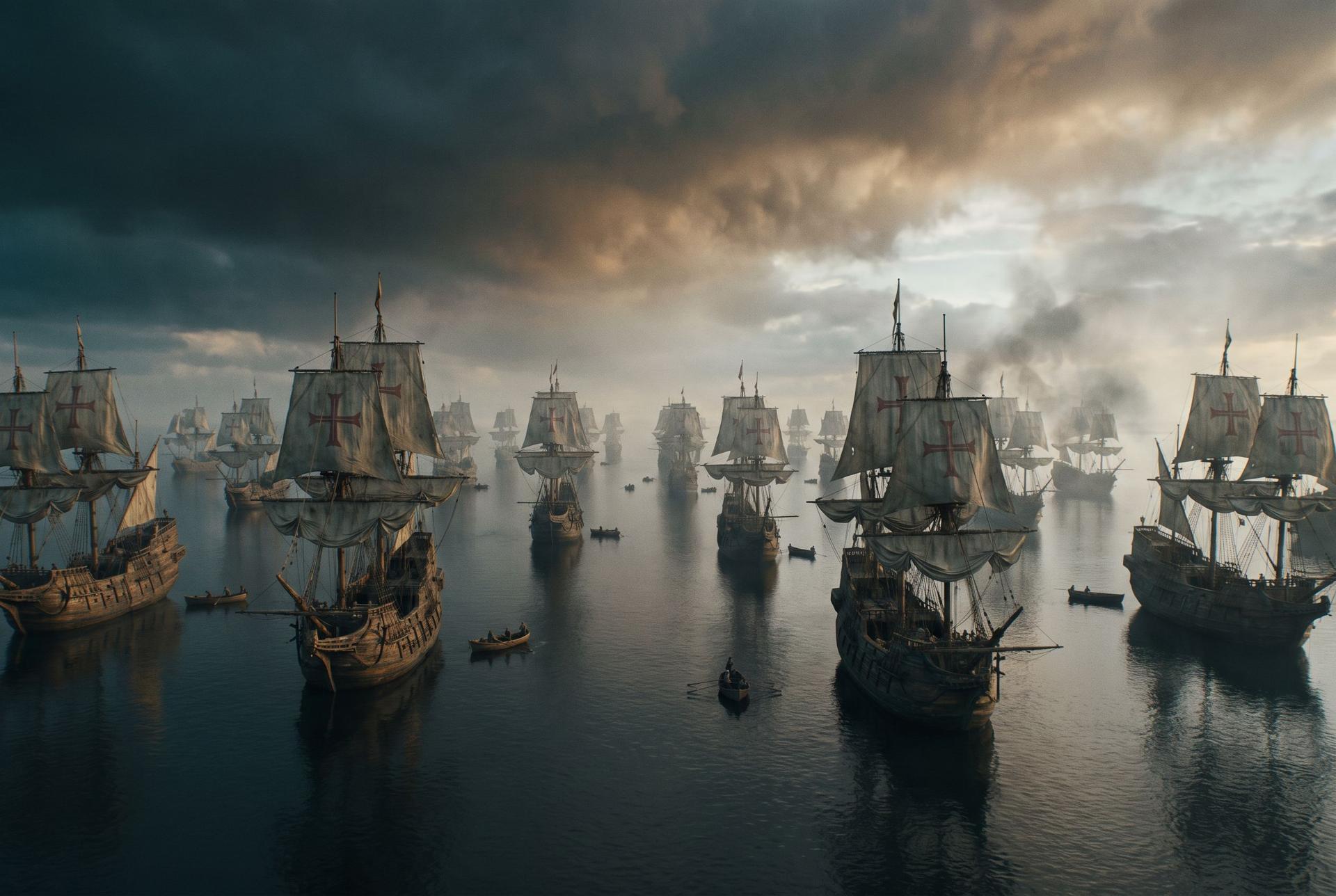
FORCES OF NATURE · 1588 · THE ENGLISH CHANNEL
The Protestant wind never blows
August 1588. The Spanish Armada, mauled off Gravelines and saved from the Flemish shoals, is about to be driven north into the storms England will thank God for and name the Protestant wind. This is the timeline where the wind lies down instead, and a flat calm settles over the barges of Parma's waiting army.
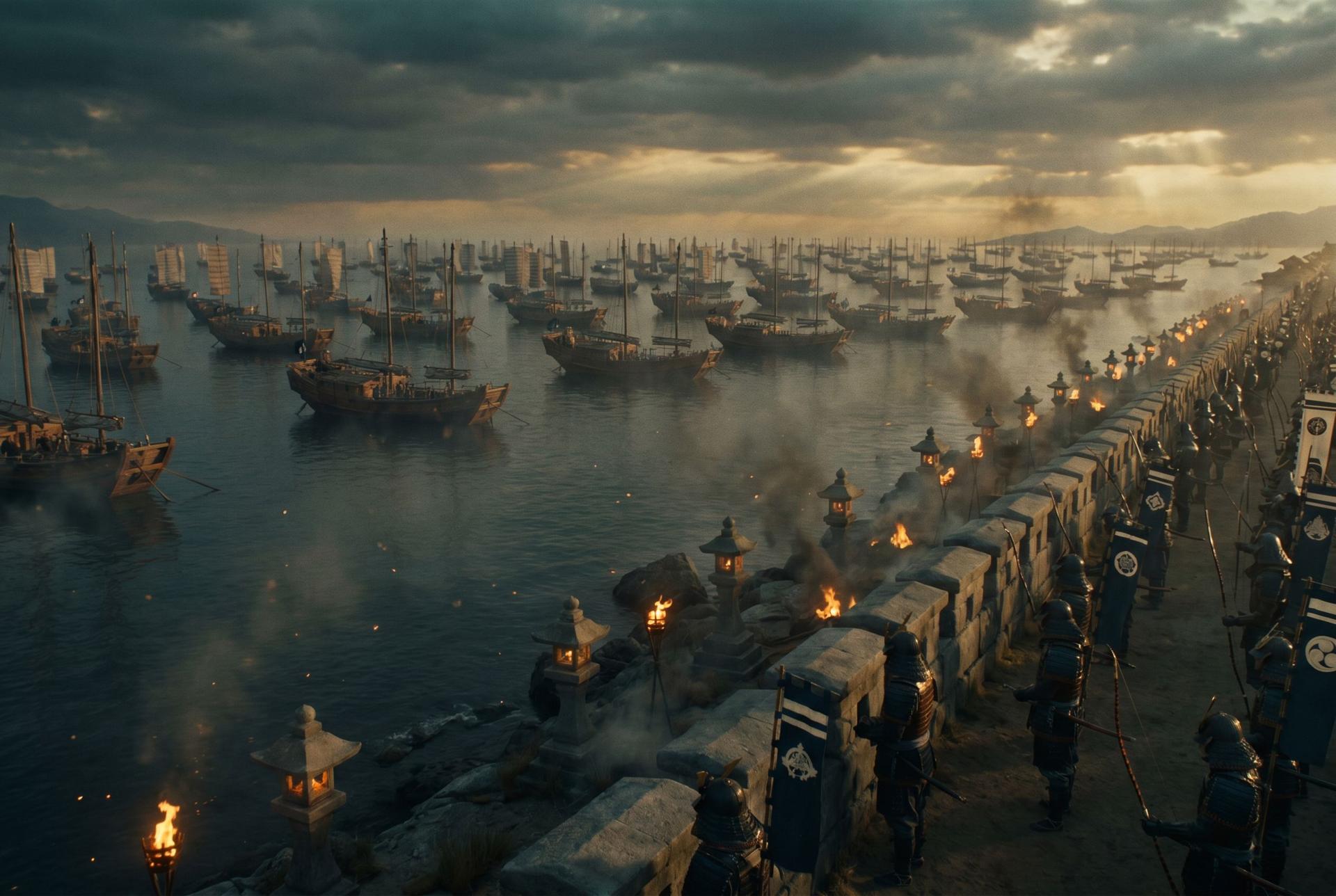
FORCES OF NATURE · AUG 1281 · HAKATA BAY, KYUSHU
The kamikaze never blows
In August 1281 the largest invasion fleet the world had yet built lay off the Japanese coast, held at the beach by a stone wall, until a typhoon destroyed it and was named the divine wind. This is the timeline where the storm passes north.
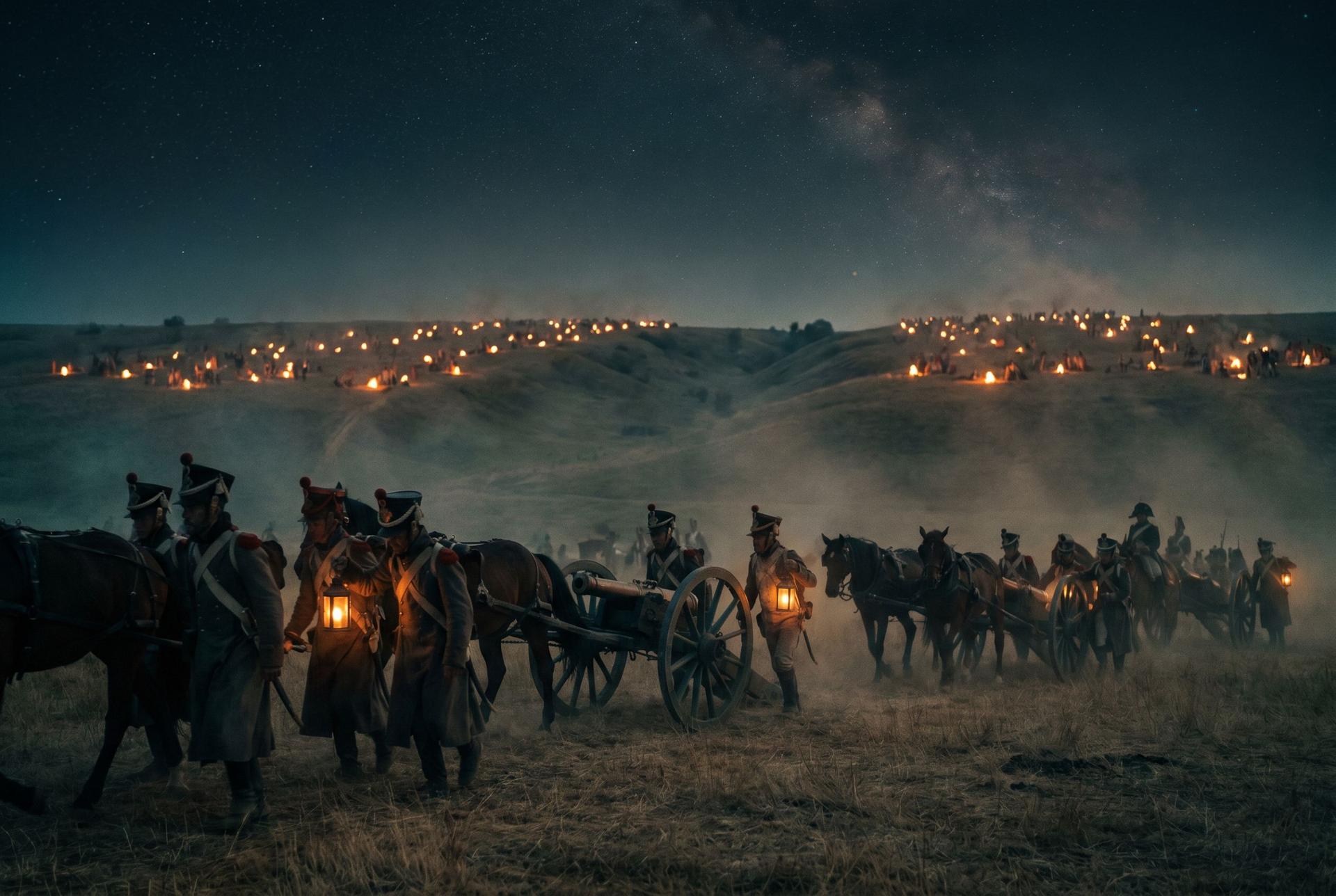
FORCES OF NATURE · 18 JUN 1815 · WATERLOO, BELGIUM
The dry morning at Waterloo
On the night of 17 June 1815 a thunderstorm drowned the fields of Belgium, and Napoleon spent the next morning waiting for the ground to dry while his last battle shrank from a day to an afternoon. In our timeline the Prussians arrived before he was finished. This is the timeline where the storm slides east and the guns open at first light.
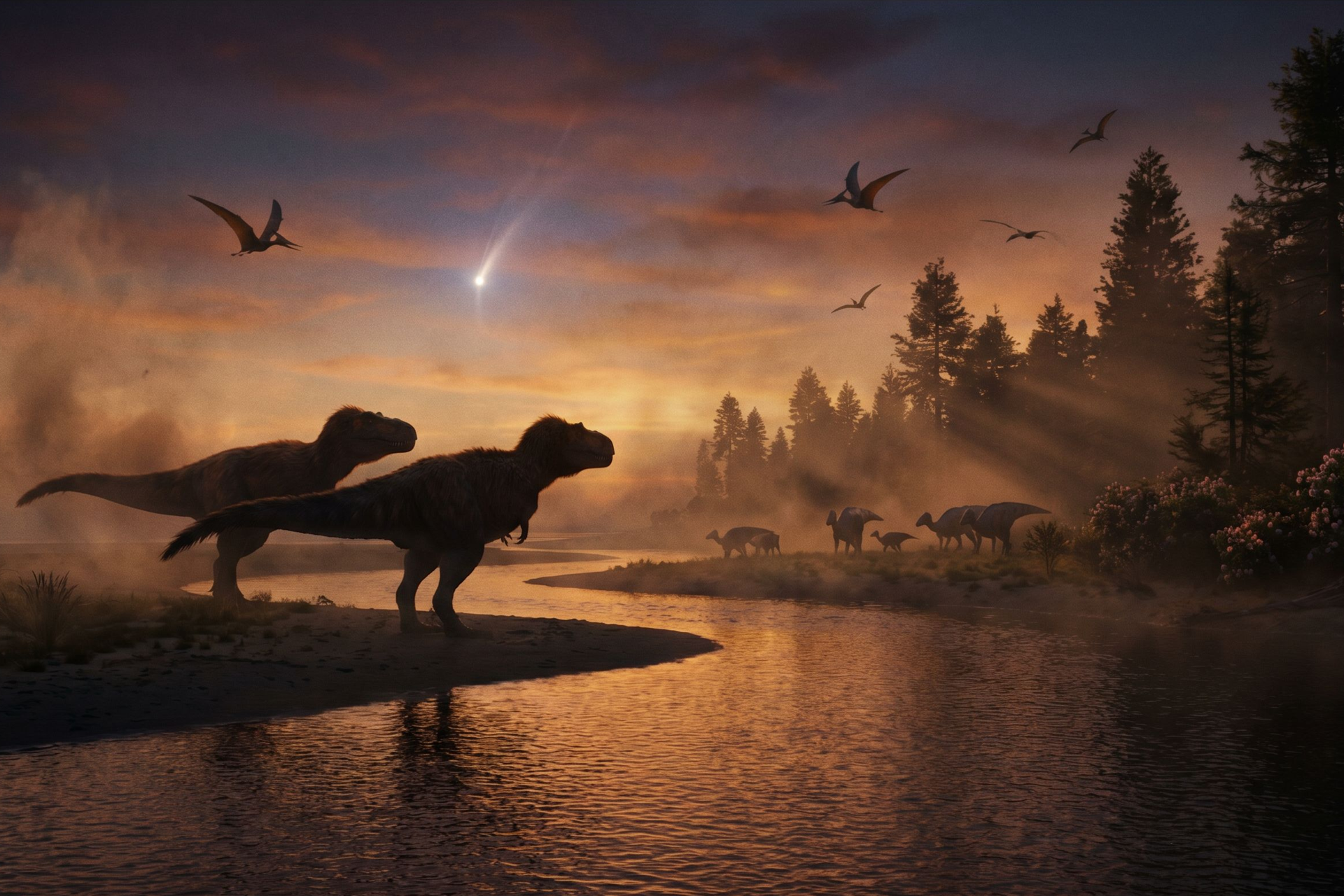
FORCES OF NATURE · 66,000,000 YEARS AGO · THE PROTO-GULF OF MEXICO
The asteroid misses by an hour
Sixty-six million years ago, a rock ten kilometres wide crossed Earth’s orbit at the exact wrong moment, and the age of giants ended in an afternoon. This is the timeline where it crossed one hour early — and the age of giants never ended at all.
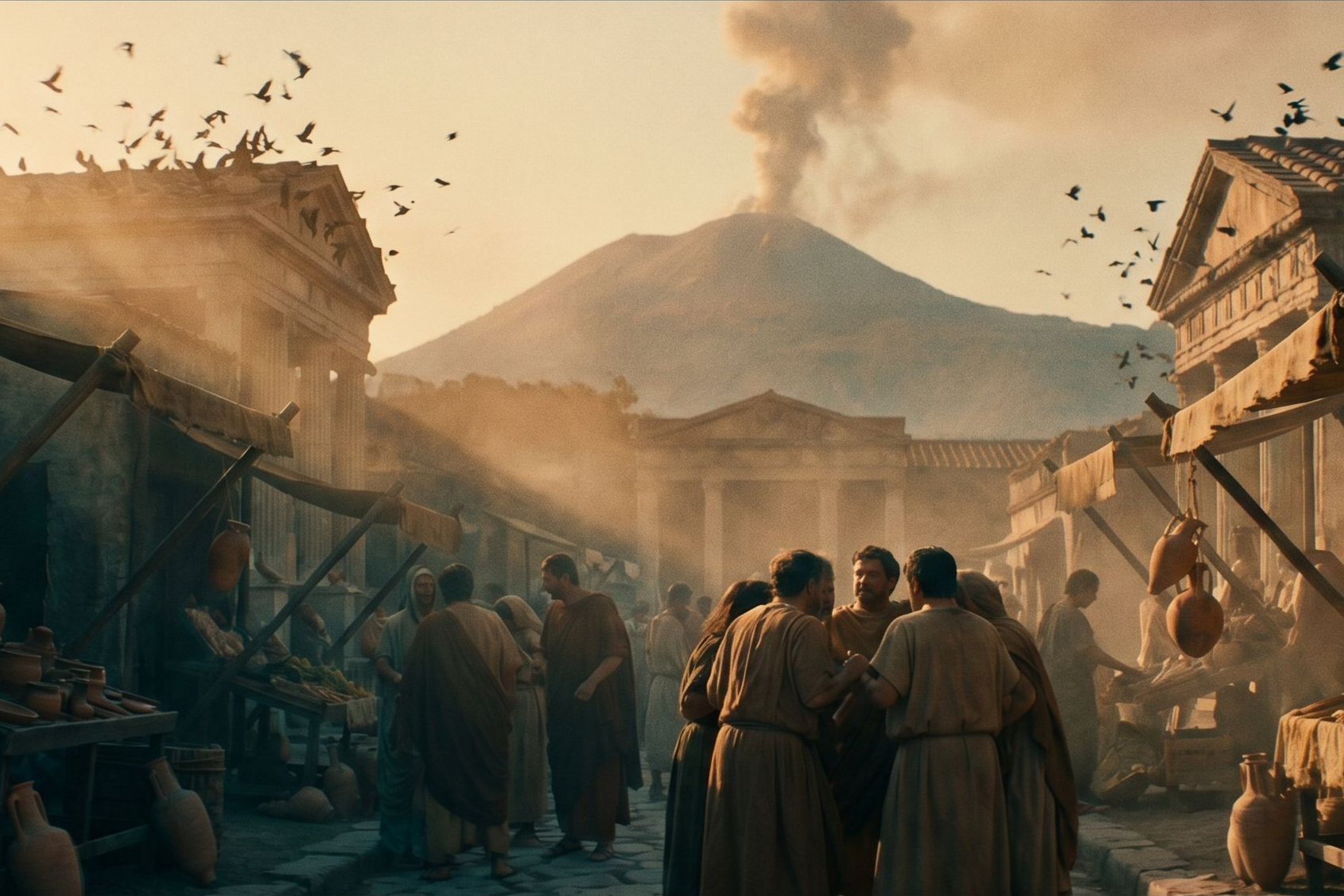
FORCES OF NATURE · AD 79 · THE BAY OF NAPLES
Pompeii is evacuated before Vesuvius
AD 79. For days the wells have been failing and the ground has been shivering, and Pompeii has learned to ignore both. In our timeline the town was still full when the sky came down. This is the timeline where somebody read the warnings out loud.