WHAT NEVER FELL
717 · CONSTANTINOPLE
Constantinople, 717
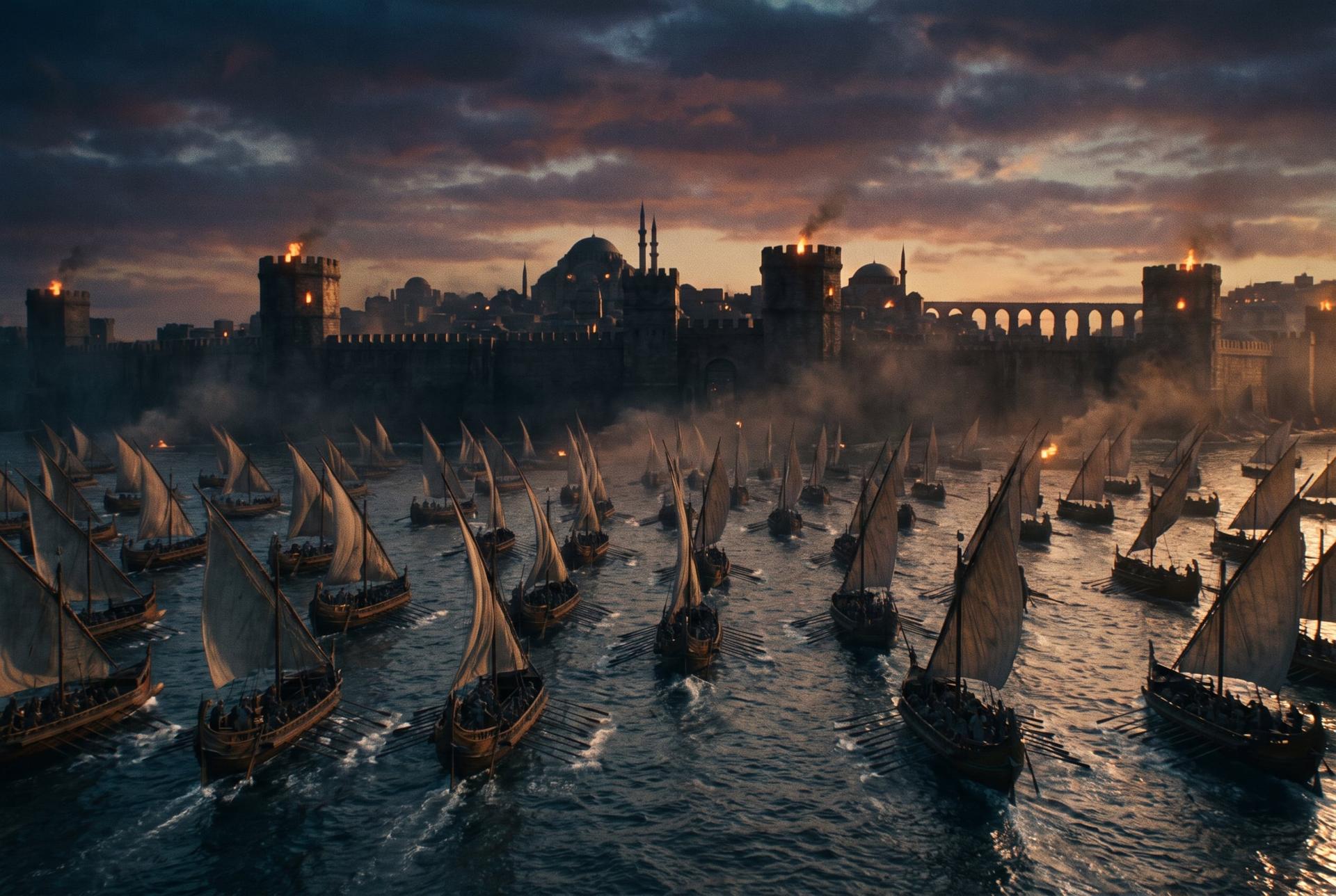
The Golden Horn, autumn 717. Eighty thousand besiegers ring the city, and its defense hangs on a secret liquid fire and a hard winter. This is the timeline where the fire's makers are not inside the walls.
You are reading the timeline that almost was · notes marked THE RECORD are real history
717 · THE MISSING WALL
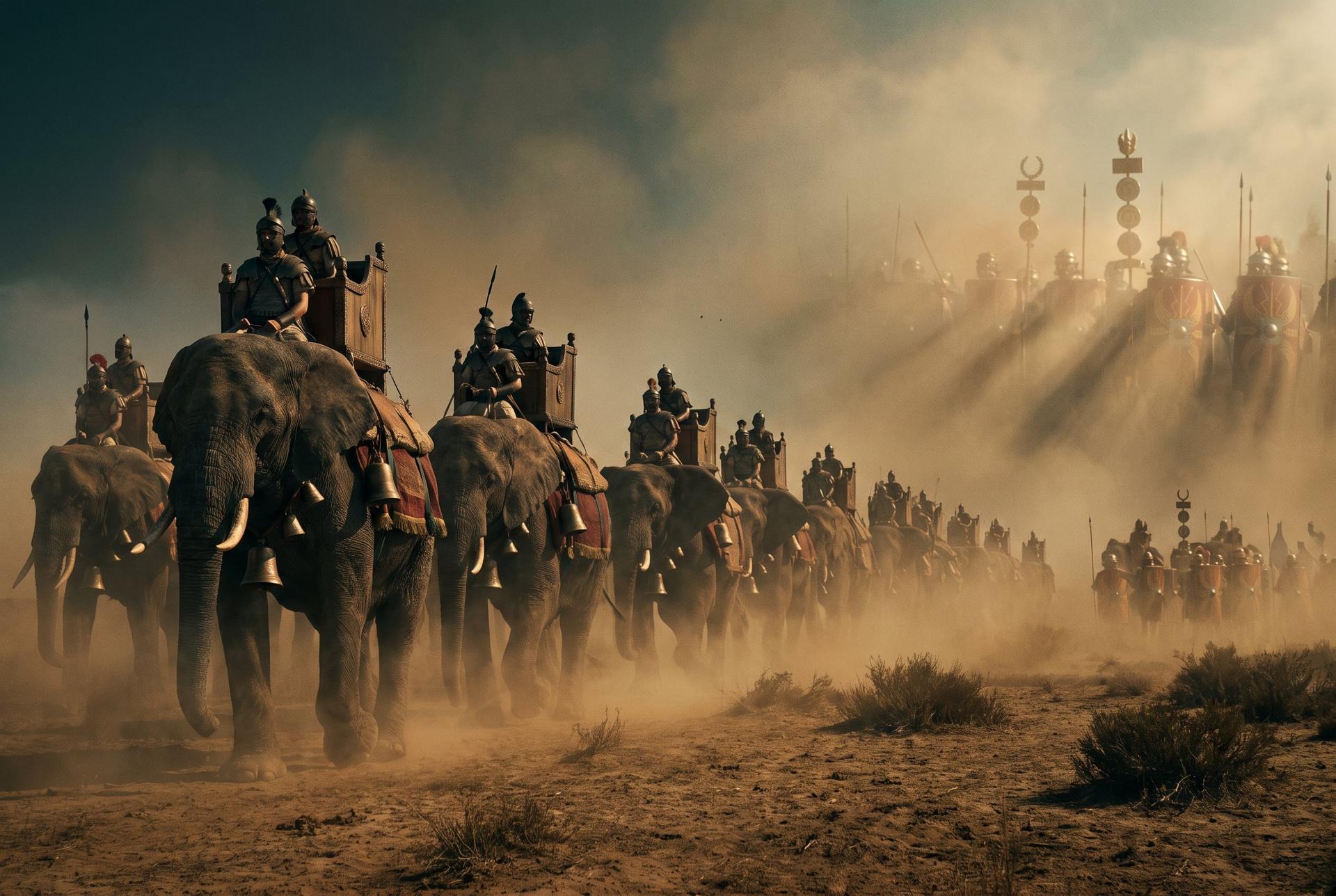
Constantinople, August 717. The Umayyad caliphate, master of everything from Spain to the Indus, sends its full strength against the city that bars its road into Europe: some eighty thousand men under Maslama and a fleet counted in the hundreds of hulls. The new emperor, Leo III, has three defenses. The land walls, which have never fallen. A secret weapon, the liquid fire that burns on water, projected from bronze siphons by a guild whose recipe is a state secret. And weather. In our timeline all three hold: the fire wrecks the fleet at the Golden Horn's mouth, a freak winter buries the siege camp in a hundred days of snow, Bulgar allies maul the survivors, and the greatest siege of the age collapses. Historians rank it above Tours among the hinges of Europe.
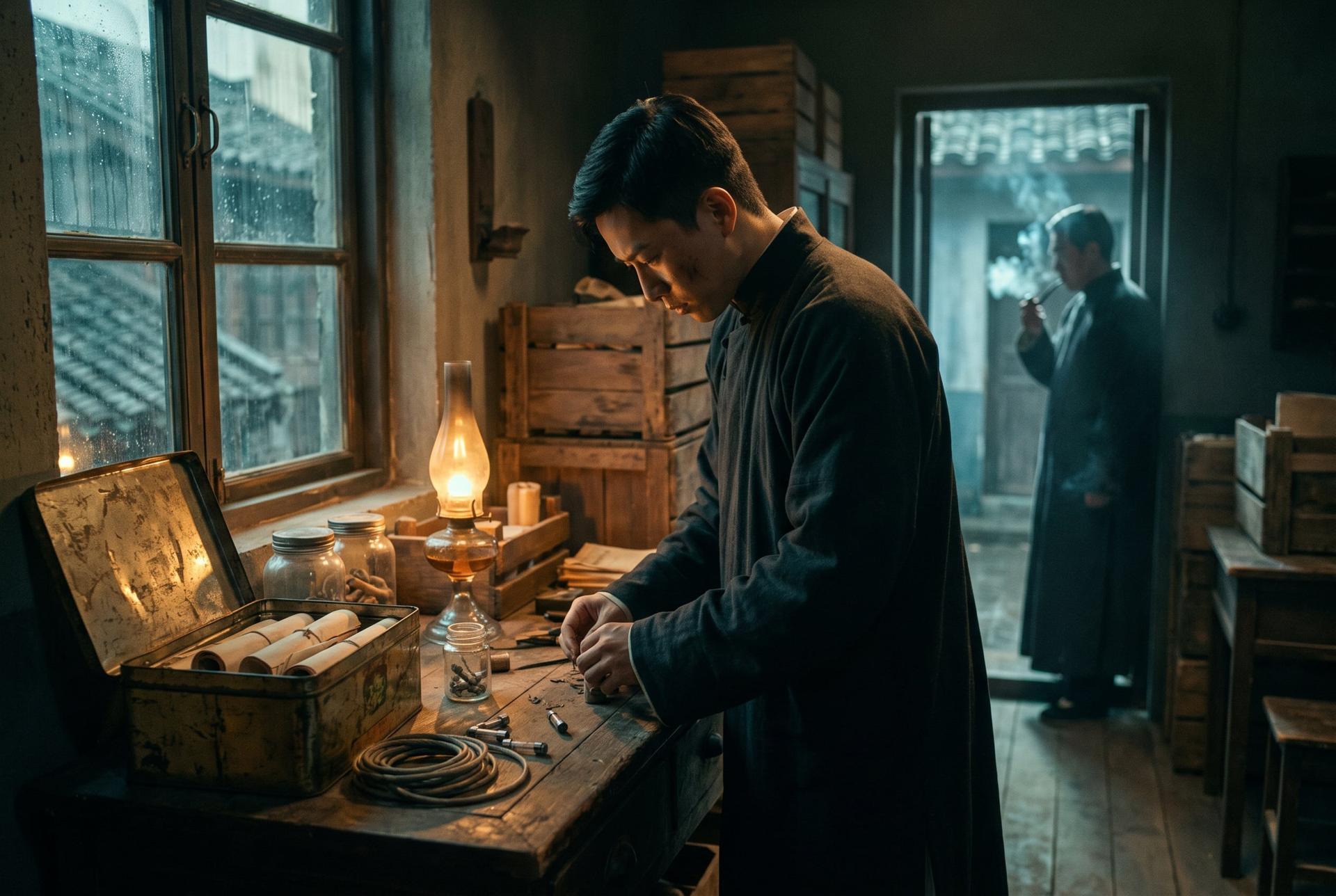
In the timeline recorded here, the city's third wall is missing before the first ship arrives. The fire guild is a family trade, and in the plague summer of 716 the family is in Nicomedia, where the sickness is. The masters die with the recipe half-taught; the apprentices who reach the capital can make the liquid sputter, not storm. When the Arab fleet feels its way toward the Horn that September, Leo springs his ambush anyway, and the siphons cough smoke and shame. The chain holds the Horn a season longer. But a blockade unbroken by fire is arithmetic, and the arithmetic now runs for the eighty thousand outside. The hard winter comes on schedule and starves both camps alike.
Beat 1 of 8
The atlas keeps other pages near this one