WHAT NEVER FELL
40,000 BP · IBERIA
The other people endure
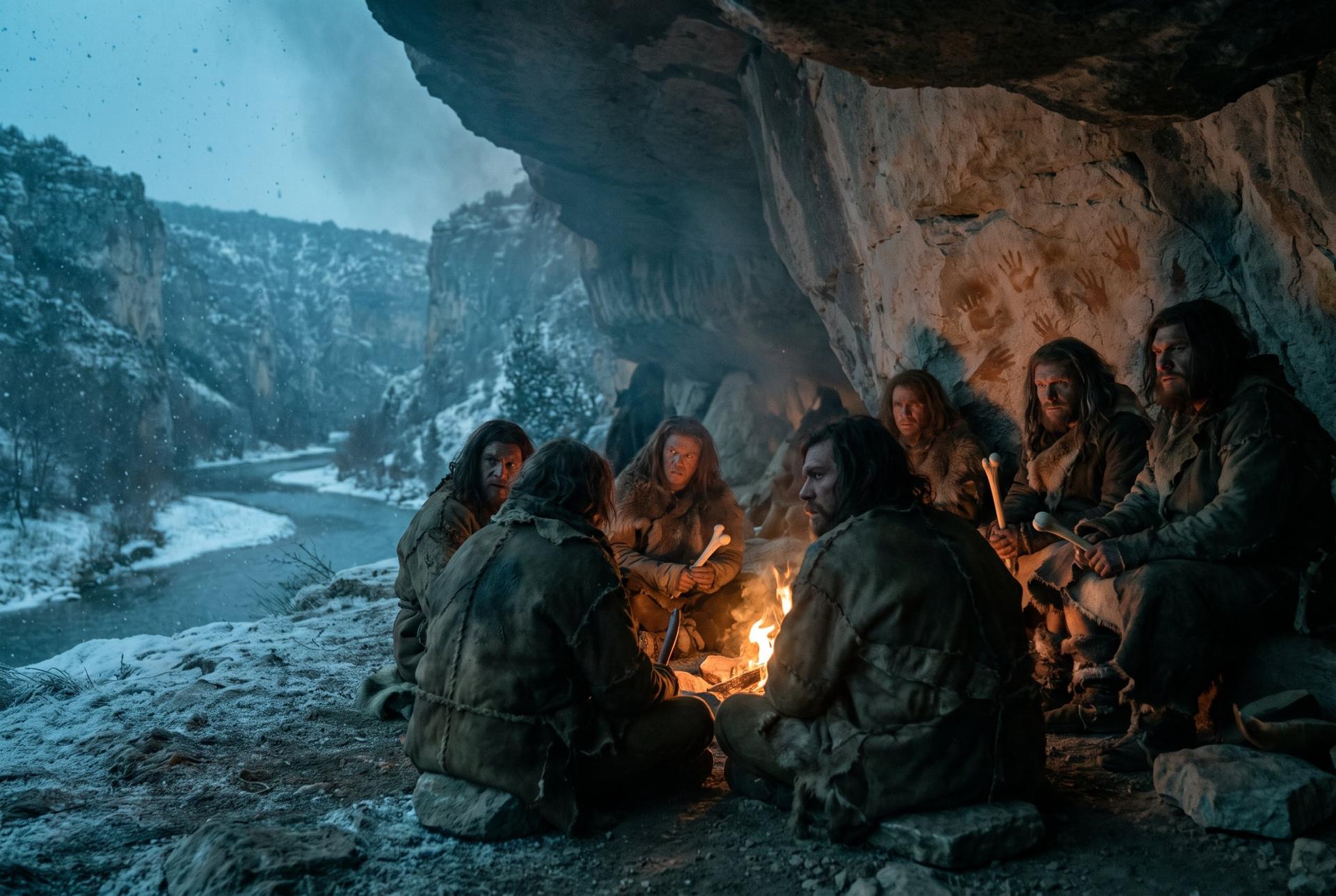
Iberia, forty thousand years ago. The last bands of the other human kind are wintering in the river gorges, and the cold is deciding. This is the timeline where the winters relent one lifetime sooner.
You are reading the timeline that almost was · notes marked THE RECORD are real history
40,000 BP · THE KIND WINTERS
Forty thousand years ago, Europe held two human kinds. The Neanderthals had endured its ice ages for three hundred thousand years: heavy-browed, strong, big-brained, makers of tools and fire, buriers of their dead. Then the newcomers arrived out of Africa, and the climate began to lurch between warm and killing cold in swings a single lifetime could feel. The Neanderthal bands, always few, thinned toward the peninsulas. By around forty thousand years ago the last of them were gone, their kind surviving only as a few percent in the blood of nearly everyone alive outside Africa. Why they vanished, and we did not, is one of the oldest open questions our timeline owns.
In the timeline recorded here, the dice of weather fall one throw kinder. The killing swing that our record shows at the boundary arrives a lifetime late and a shade weaker. It is nothing anyone sees. It is two mild winters in ten instead of one, a river that keeps its fish, a hearth in a gorge that does not go out. The bands in the Iberian refuges come through with their children alive, and meet the newcomers not as ghosts but as neighbors. The ember is carried on. The atlas marks the hinge no chronicle can: the century in which nothing happened, twice.
Beat 1 of 8
The atlas keeps other pages near this one