WHAT NEVER FELL
WINTER 1491 · GRANADA
Al-Andalus endures
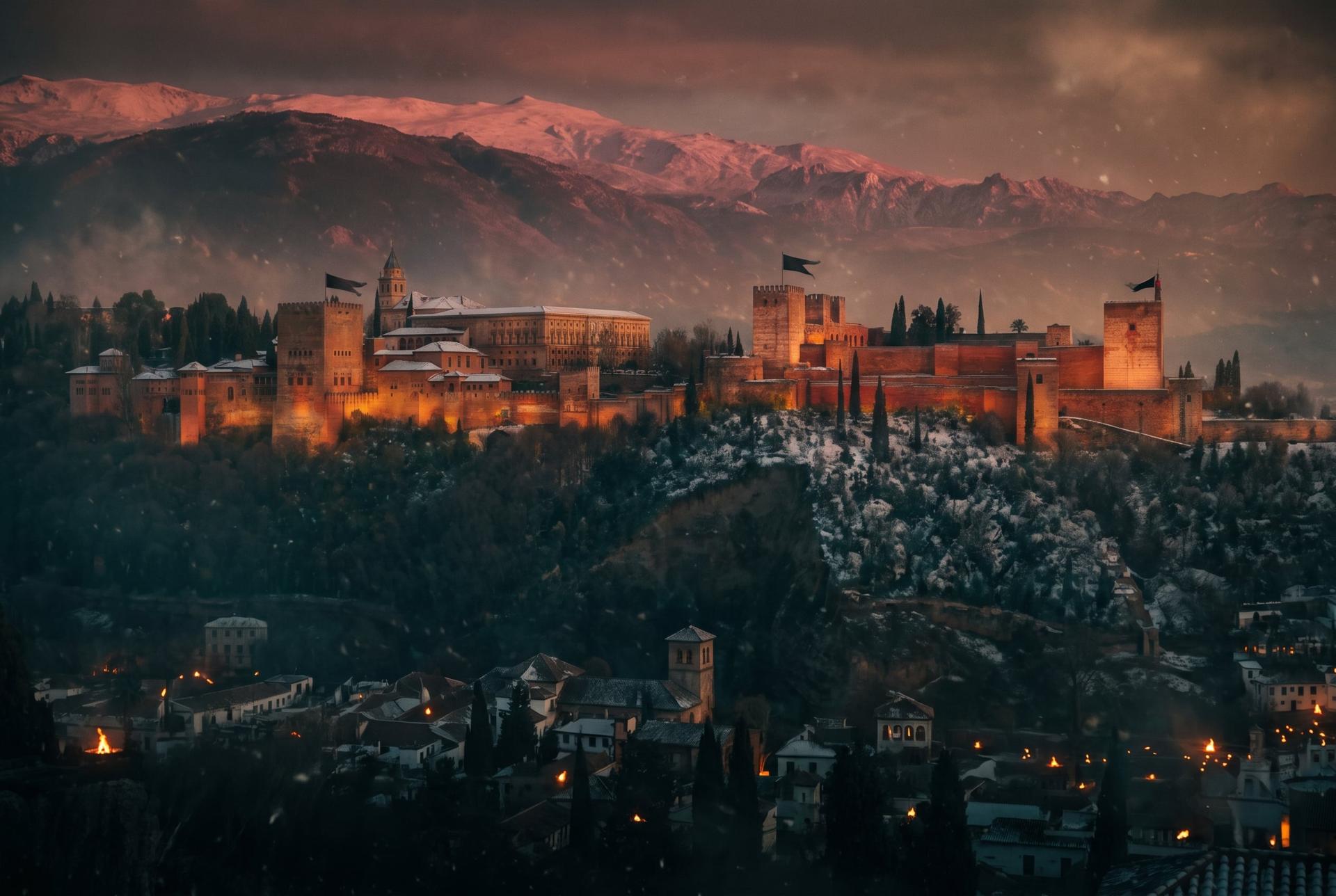
Granada, winter 1491. The last Muslim state in Iberia is starving behind its walls while its princes feud. This is the timeline where the feud ends, the corsairs come, and the siege breaks.
You are reading the timeline that almost was · notes marked THE RECORD are real history
1491 · THE SIEGE BREAKS
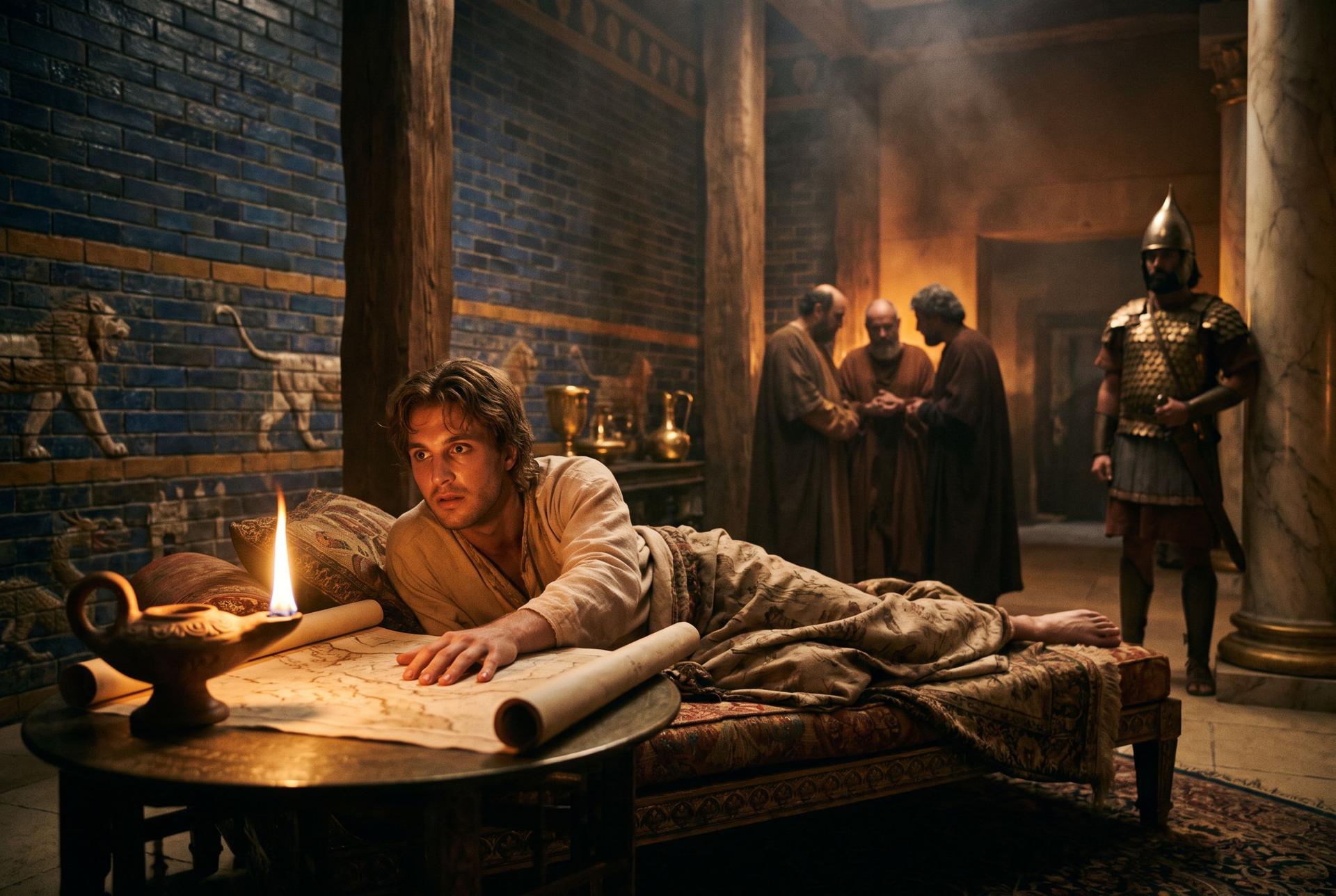
Granada, 1491. The emirate is the last of al-Andalus, seven centuries of Muslim Iberia reduced to one mountain kingdom, and it is dying of two things at once: the siege of Ferdinand and Isabella outside the walls, and the feud between Boabdil and his own kin within them. The Catholic Monarchs have built a whole siege town, Santa Fe, to say they will never leave. Ottoman corsairs under Kemal Reis have raided Spanish coasts in Granada's name, but no relief force comes. On 25 November 1491 the exhausted city signs terms; on 2 January 1492 Boabdil hands over the keys. Watching the ceremony, by his own account, is a Genoese sailor named Columbus, whose ocean scheme the victorious queen will fund within weeks, in the glow of the crusade completed.
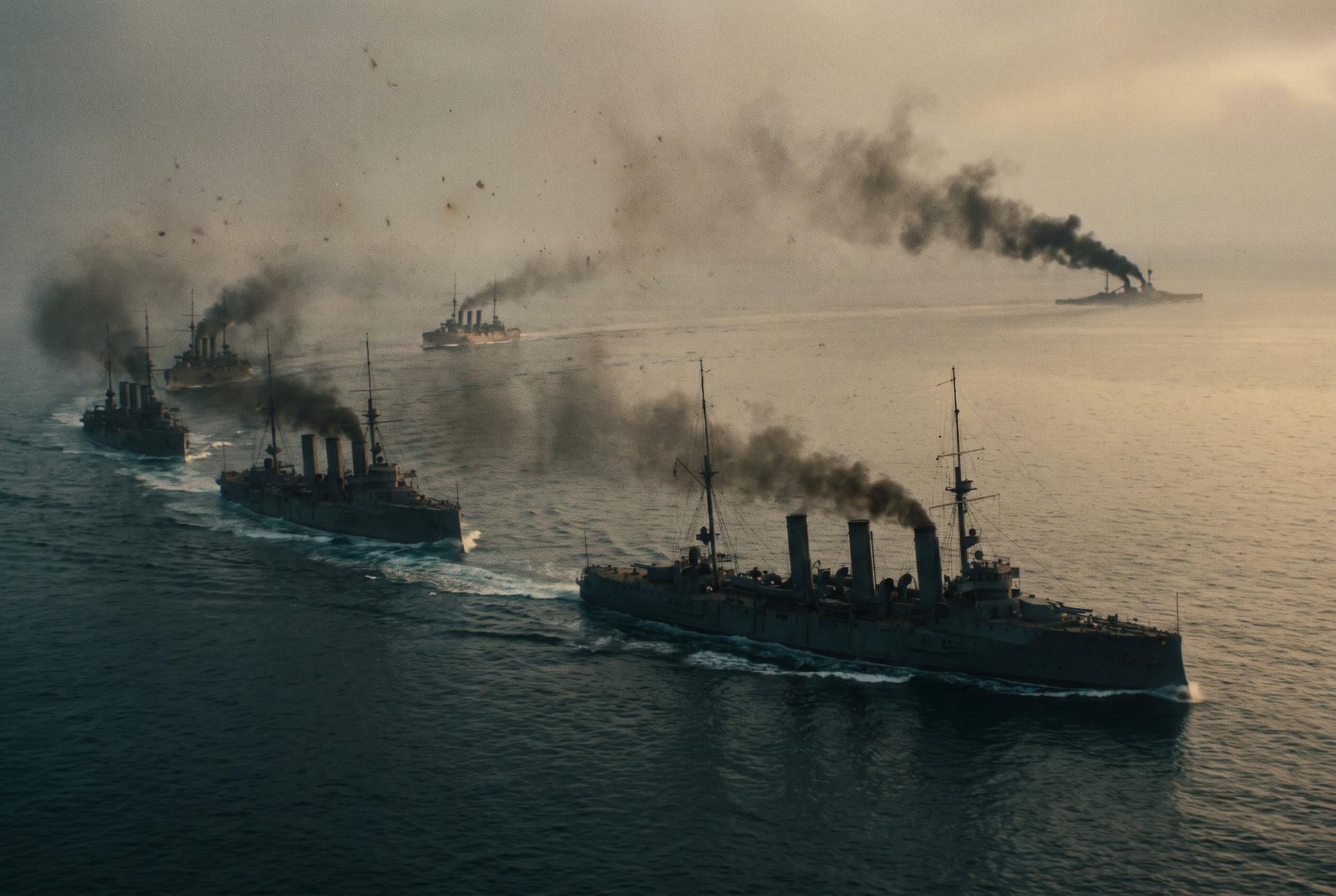
In the timeline recorded here, the pomegranate does not fall, because the hands pulling it apart finally join. In the spring of 1491 Boabdil's implacable uncle dies of plague, and the family peace that our timeline never saw is sealed over his grave. A united Granada holds through the summer. Then the sea decides it: in September, Kemal Reis returns, not raiding now but convoying, forty sails out of Algiers with grain, powder and janissary volunteers, and the coastal blockade cracks. In October the fire that gutted the besiegers' camp in our July spreads a day faster than the rebuilding can answer. Isabella's credit is spent; her army winters badly; and in the wet January that follows, the siege of Granada is not renewed. The keys stay where they are.
Beat 1 of 8
The atlas keeps other pages near this one