DISCOVERIES & INVENTIONS
30 APR 1993 · GENEVA
The web stays in the lab
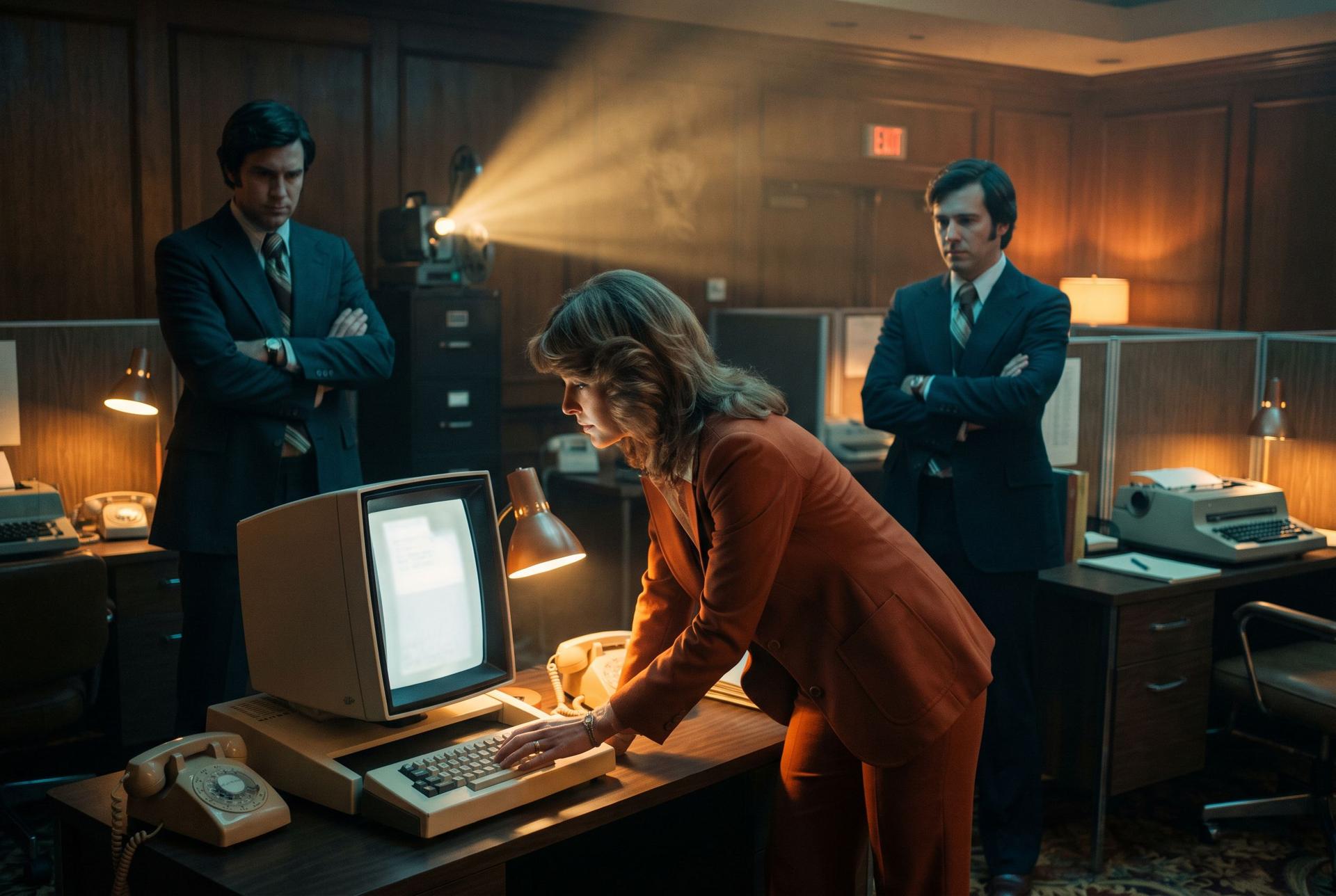
Geneva, 30 April 1993. A one-page declaration waits on a desk at CERN, releasing the World Wide Web to everyone, forever, for nothing. This is the timeline where it is never signed.
You are reading the timeline that almost was · notes marked THE RECORD are real history
30 APR 1993 · GENEVA
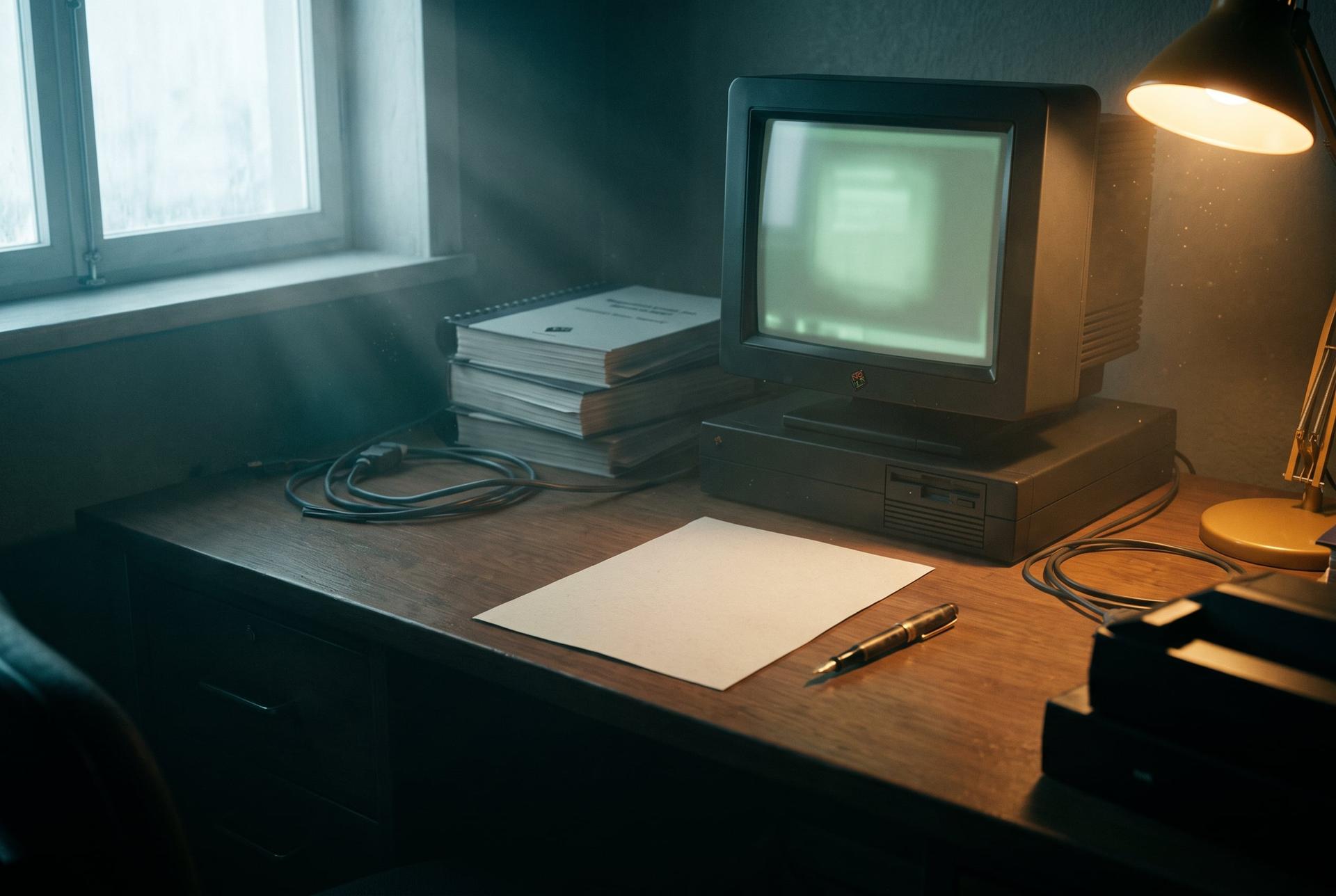
By 1993 a British physicist at CERN named Tim Berners-Lee has built something he calls the World Wide Web: a way to link documents across the internet, written on a black NeXT computer in a Geneva office. It has perhaps a few hundred servers. Its great rival, Gopher, out of the University of Minnesota, is bigger. Then, in the spring of 1993, Minnesota announces licensing fees for commercial Gopher use, and Gopher's traffic goes cold in a season. Berners-Lee begs CERN to do the opposite. On 30 April 1993, two directors, H. Weber and W. Hoogland, sign a one-page declaration releasing the web's software into the public domain: to anyone, for anything, for nothing.
In the timeline recorded here, the sheet of paper stays unsigned. The lawyers' argument wins the spring: Minnesota is charging for Gopher, the member states pay for CERN, and physics money should come back to physics. The declaration is redrafted as a license, with a fee schedule attached. Berners-Lee reads it standing up, in a corridor smelling of warm electronics, and knows exactly what it means. He has watched one network die of this in a single season. The page goes into a drawer, and the drawer closes on the century.
Beat 1 of 8
The atlas keeps other pages near this one